The architecture of prenatal physical conditioning, core stability, and maternal biomechanics reaches a masterly, illuminating peak in a detailed clinical feature on low-impact core programming. Designed to safeguard abdominal integrity while enhancing pelvic floor support during pregnancy, targeted movement protocols offer an empowering alternative to traditional abdominal exercise. In an exceptionally detailed fitness feature report and movement analysis, health chroniclers examine a workout methodology built on deep transverse abdominis engagement, rotational stability, isometric endurance, and intelligent exercise modification.
At the center of prenatal core conditioning is the intentional activation of deep stabilizing structures through fundamental postural holds. The routine initiates with targeted combinations of the Horse Stance and Bird Dog, movement patterns engineered to build multi-planar hip and pelvic stability. By extending opposing limbs while holding a deliberate core contraction—conceptually described as "hugging the baby"—exercisers engage the deep transverse abdominis without placing outward mechanical stress on the linea alba. Through emotional precision, learning to activate internal muscular support rather than straining against intra-abdominal pressure offers pregnant individuals a profound sense of physical security, body connection, and movement confidence.
Building upon static stability, the conditioning matrix advances into dynamic isometric control through Bear Holds and fluid movement transitions. Operating from a quadrupeds position, isometric hovers force the deep core and shoulder girdle to brace against gravity while maintaining neutral spinal alignment. Progressing seamlessly between downward dog and bear hover positions, the routine introduces controlled dynamic range while keeping core tension intact. Through intelligent curation of movement pathways, these transitions train the body to handle spatial shifts and weight transfers without compromising intra-abdominal pressure balance.
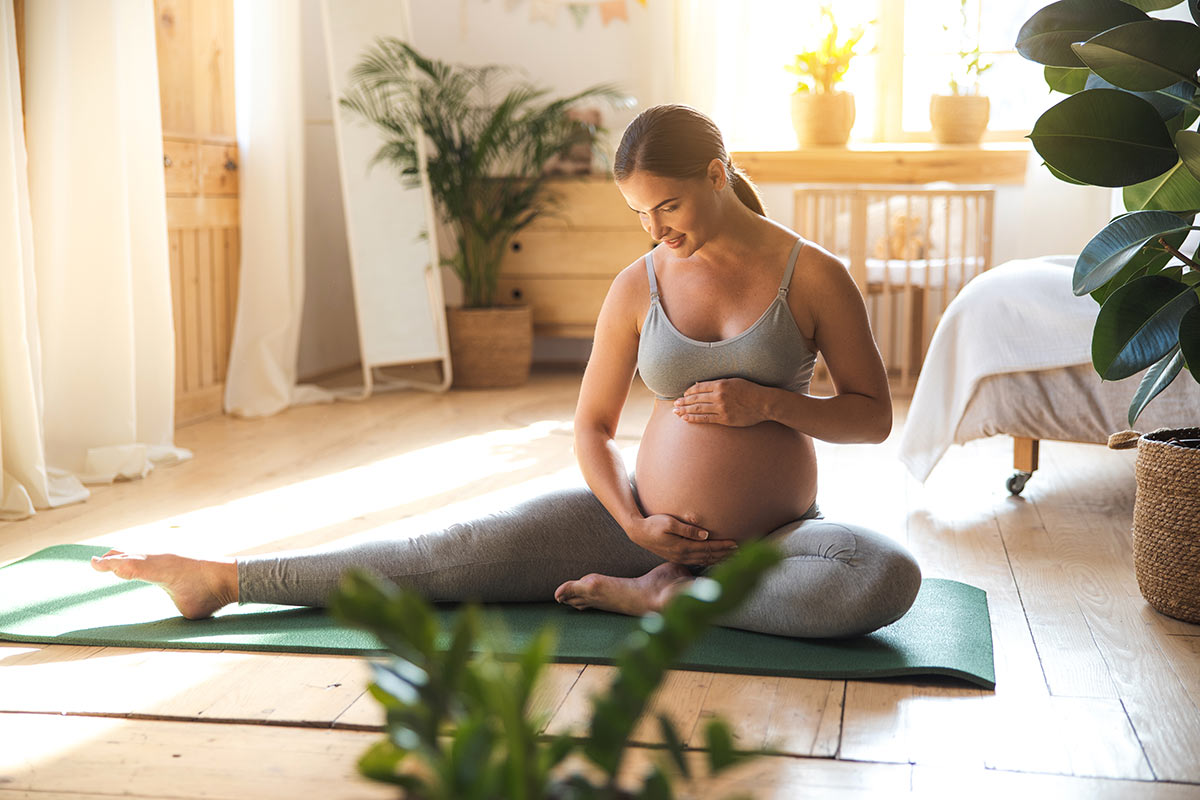
Related article - Uphorial Shopify
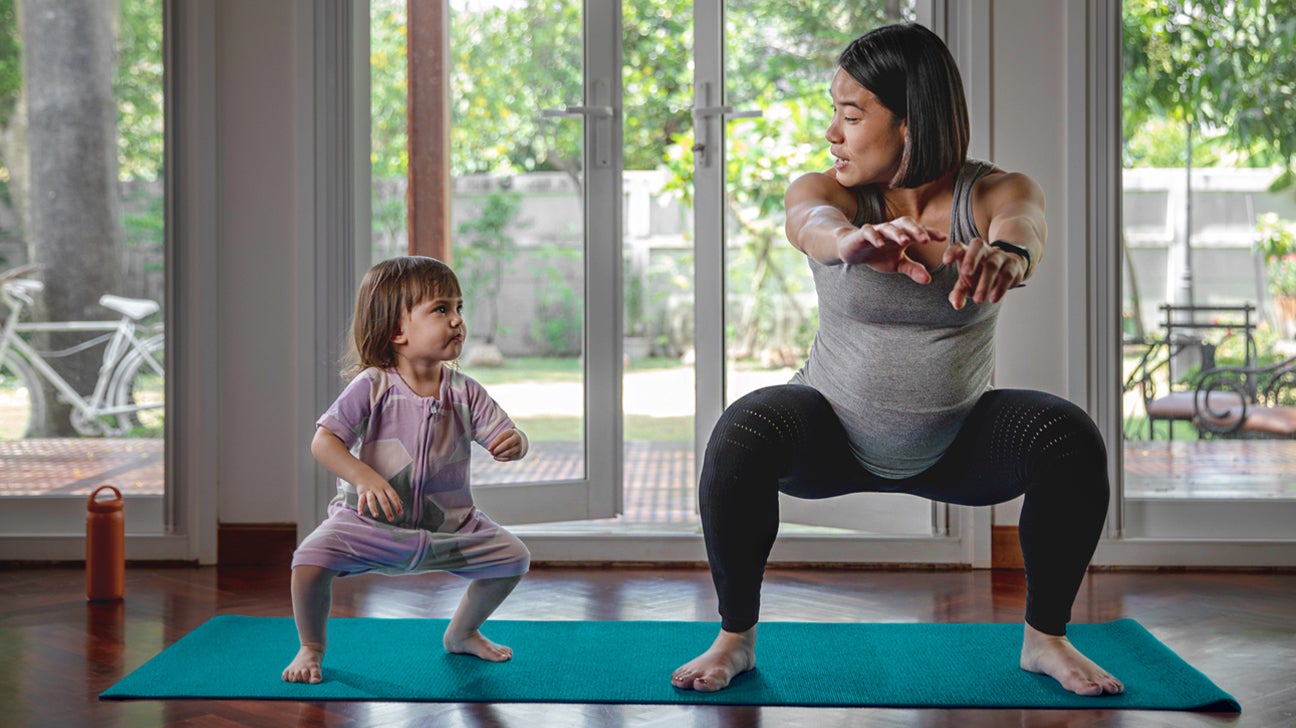
Lateral stability and rotational control are further refined through dedicated side-hover and oblique conditioning routines. Performed in modified side plank positions—such as keeping the bottom knee grounded to reduce lever length—these exercises strengthen the internal and external obliques alongside the quadratus lumborum. Strengthening the lateral chain supports the pelvis against asymmetrical weight distribution as pregnancy progresses, directly mitigating lower back discomfort and pelvic girdle strain.
Through a deep cultural understanding of maternal exercise safety, the program addresses standard high-plank variations with vital diagnostic awareness. Transitioning into traditional forearm or high planks, the emphasis shifts to strict core bracing paired with immediate modification protocols to prevent abdominal separation pressure (diastasis recti). Exercisers are educated to recognize physical signs of excessive pressure, such as midline doming or coning along the rectus abdominis, immediately adapting positions to protect connective tissue integrity.

Strategic storytelling frames the workout's conclusion through a restorative cooldown flow paired with vital exercise advocacy. Ending with gentle bear-to-downward-dog transitions, the routine reinforces safe movement patterns before offering actionable advice on modifying external fitness classes. Individuals are encouraged to actively adjust group fitness workouts, avoiding over-engagement or repetitive crunching of the rectus abdominis in favor of deep transverse bracing.
Crucially, the protocol emphasizes strict body awareness and medical oversight. Exercisers are urged to listen to internal cues, utilize elevated surfaces like benches or inclines to reduce load, adjust range of motion whenever discomfort arises, and maintain open communication with healthcare providers regarding exercise parameters throughout every trimester.Through transformational framing, this deep dive into maternal core stability transcends basic fitness instruction. It stands as a vital maternal health blueprint, proving that when deep core mechanics, protective exercise modifications, and continuous self-advocacy align, physical strength and maternal well-being can be safely sustained across pregnancy.