Tech executive leaders, and policy experts gathered to dissect the rapidly shifting landscape of global technology, venture finance, artificial intelligence infrastructure, and regulatory pressure. The discussion opened with a high-level overview of Wall Street’s current stance on the technology sector, highlighting how institutional investors are balancing persistent inflationary concerns against relentless capital expenditure in next-generation computing infrastructure. Bailey Lipschultz of Bloomberg News provided an opening analysis on equity market dynamics, emphasizing that despite broader macroeconomic uncertainty and lingering interest rate volatility, tech equities continue to serve as the primary engine for broader market performance. Lipschultz noted that investor appetite for growth-oriented assets remains selectively strong, though capital is increasingly concentrating around established mega-cap firms with demonstrable balance sheet strength and clear visual pathways toward artificial intelligence monetization, leaving early-stage and mid-cap tech firms to navigate tighter financial conditions.
Building on market dynamics, Katherine Schwartz of Bloomberg News examined the corporate earnings environment, detailing how enterprise software and hardware providers are adapting their messaging to reassure cost-conscious shareholders. Schwartz outlined how major corporate spenders are auditing their IT budgets, prioritizing efficiency tools, cloud optimization, and security over speculative tech investments. Expanding on this institutional sentiment, Marta Norton from Empower offered a strategic asset allocation perspective, warning that while the long-term secular growth story of advanced technology remains intact, short-term valuations in certain sub-sectors reflect perfection that may be vulnerable to earnings execution hitches. Norton highlighted that portfolio managers are increasingly diversifying into defensive growth, balancing high-beta AI exposure with resilient dividend-yielding technology names and adjacent sector infrastructure plays to hedge against potential valuation multiple compression.
The focus then shifted to international tech markets and supply chain dynamics, with Minmin Low of Bloomberg News reporting on regional tech developments and supply chain resilience across Asian markets. Low detailed how global hardware manufacturers and semiconductor packaging providers are continuing to diversify their manufacturing footprints outside traditional hubs to mitigate geopolitical risks and operational bottlenecks. Following the international trade perspective, Katrina Manson of Bloomberg News addressed the intersection of technology, national security, and government oversight. Manson analyzed how heightened export controls on critical technologies and increased federal scrutiny over cross-border data flows are re-shaping trade flows and venture investments, forcing multinational tech corporations to construct parallel operational structures to comply with increasingly complex regulatory regimes in the United States and abroad.
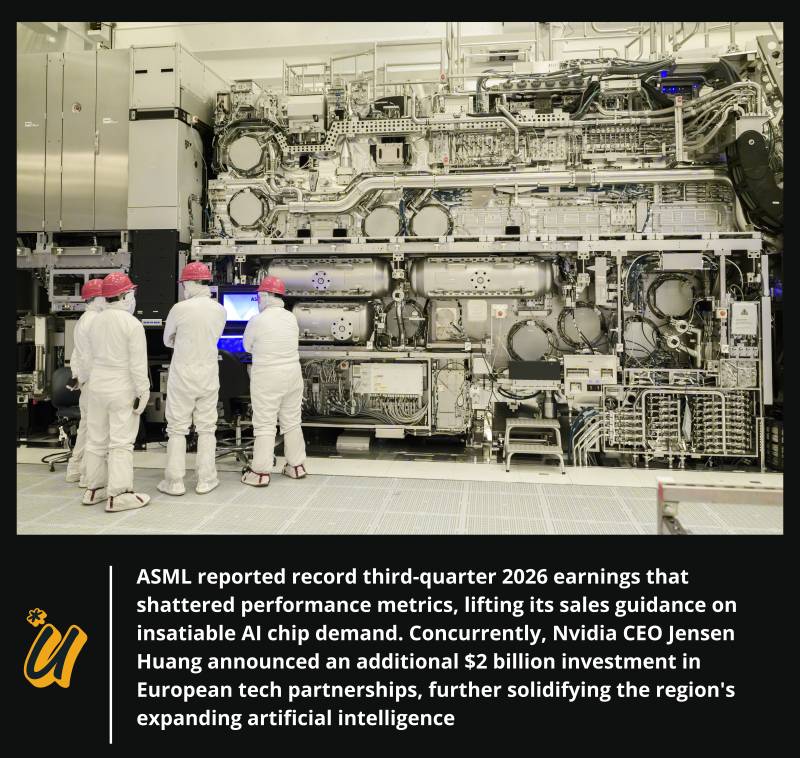
At the epicenter of the hardware and artificial intelligence debate, Nvidia Chief Executive Officer Jensen Huang provided key insights into the operational trajectory of the semiconductor ecosystem and the relentless demand for high-performance compute units. Huang addressed the massive structural shift occurring across global data centers, describing the transition from traditional general-purpose computing to accelerated computing and generative AI as an industrial transformation rather than a temporary upgrade cycle. He emphasized that the demand for enterprise-grade GPUs, high-bandwidth memory, and advanced networking systems continues to outstrip immediate industry supply, driven by hyperscalers, sovereign nations building local AI models, and enterprise software developers. Huang expressed confidence in the semiconductor industry's long-term scaling capacity, reiterating that accelerated computing is delivering exponential cost and energy efficiency improvements that make large-scale AI deployment economically viable across diverse industrial applications.
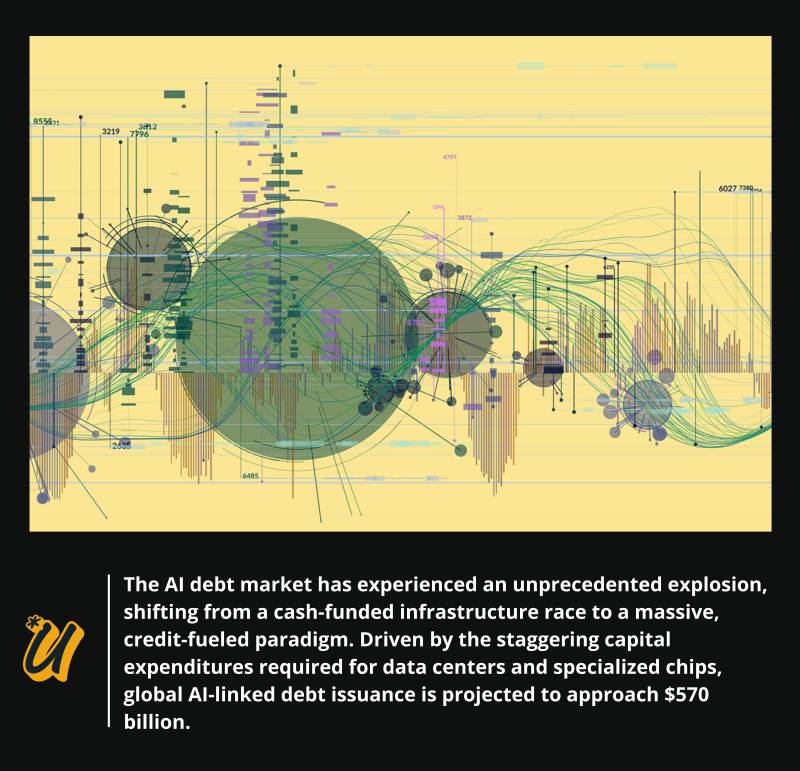
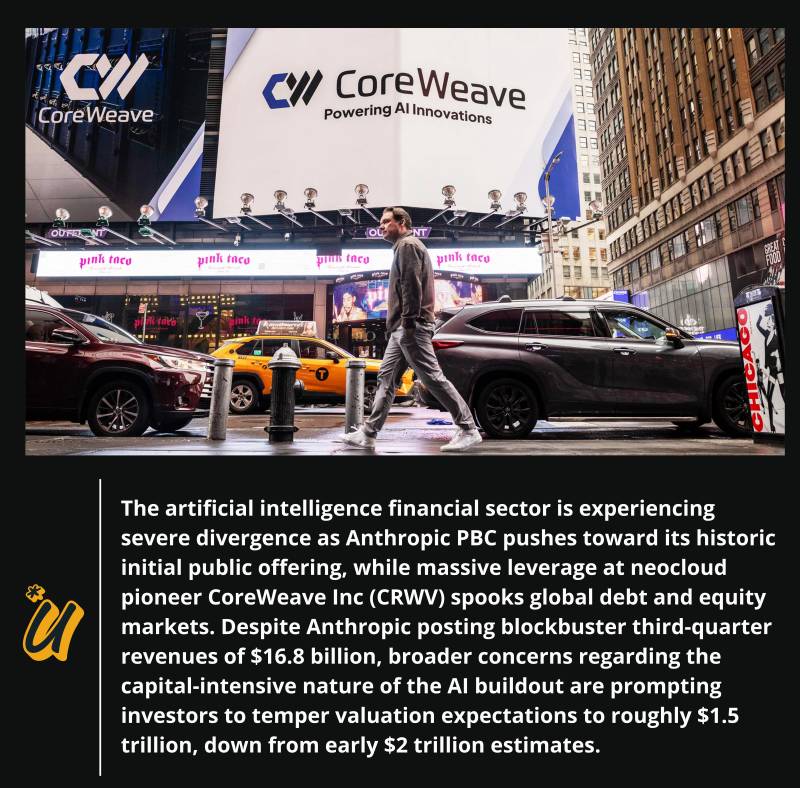
Delving deeper into the financial metrics surrounding hardware and software ecosystem expansion, Mandeep Singh of Bloomberg Intelligence offered a granular breakdown of sector performance. Singh highlighted how cloud service providers are monetizing their massive infrastructure investments through multi-tiered AI models and API integrations, though he cautioned that the timeline for full enterprise ROI remains a critical variable for stock performance over the coming quarters. Complementing this equity analysis, Robert Schiffman of Bloomberg Intelligence examined the credit, debt, and fixed-income landscape supporting these capital investments. Schiffman reported that mega-cap technology companies maintain exceptionally clean credit profiles and massive cash reserves, allowing them to fund tens of billions of dollars in annual capital expenditures through internal cash flows and highly oversubscribed bond offerings without jeopardizing their investment-grade balance sheets.
The conversation broadened into late-stage venture capital, public market exits, and regulatory frameworks. Seth Fiegerman of Bloomberg News surveyed the tech workplace, consumer tech trends, and gig economy platforms, highlighting how internet companies are streamlining operations, leveraging automation, and refining subscription models to improve operating margins. Preeti Singh of Bloomberg News followed with an examination of the private equity and private credit environments, detailing how private funds are stepping in to provide structured financing solutions to late-stage startups that are delaying traditional public offerings due to muted IPO valuations. Adding an essential policy dimension, Jennifer Huddleston from the Cato Institute evaluated the shifting regulatory landscape surrounding artificial intelligence, antitrust enforcement, and platform liability. Huddleston warned that over-regulation and fragmented state or international policy frameworks could stifle domestic innovation, increase compliance costs for emerging market entrants, and cement the market dominance of incumbent tech giants who possess the financial capacity to absorb regulatory compliance burdens. Finally, Samantha Kelly of Bloomberg News concluded the reporting by analyzing consumer technology adoption, emerging product launches, and digital media dynamics, underscoring that consumer sentiment and willingness to pay for premium software services will ultimately validate the enterprise investments currently transforming the broader global technology landscape.