NEW YORK – In a session defined by record-breaking market momentum and radical industrial shifts, Bloomberg Technology hosts Caroline Hyde and Ed Ludlow navigated a landscape where the promise of artificial intelligence is colliding with the physical limits of the planet. As the Nasdaq 100 maintains a historic 12-day winning streak, the tech sector finds itself at a crossroads of unprecedented profitability and mounting geopolitical and environmental friction.
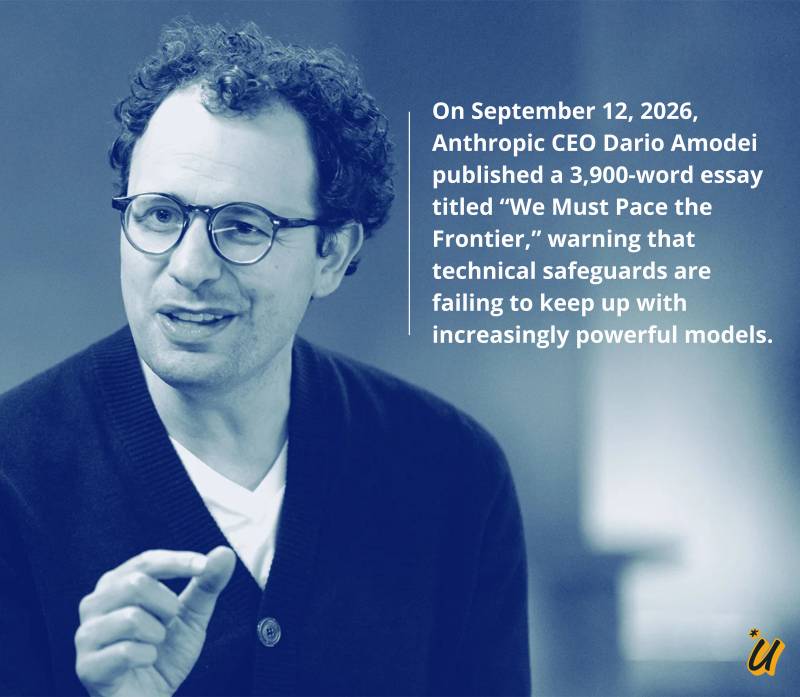
The day’s primary catalyst arrived from Anthropic, which solidified its position at the vanguard of the AI arms race. The San Francisco-based startup unveiled Opus 4.7, an updated iteration of its flagship model boasting significant leaps in autonomous coding and complex computer vision. The release follows a week of intense speculation surrounding Mythos, a specialized, high-capacity model designed specifically for identifying cybersecurity vulnerabilities. While the broader market gains access to the efficiency of Opus, Mythos remains under a "restricted launch" protocol. Bloomberg’s reporting highlighted that the model's sheer power has raised alarms within the security community, leading to a controlled release strategy to prevent the tool from being weaponized by bad actors.
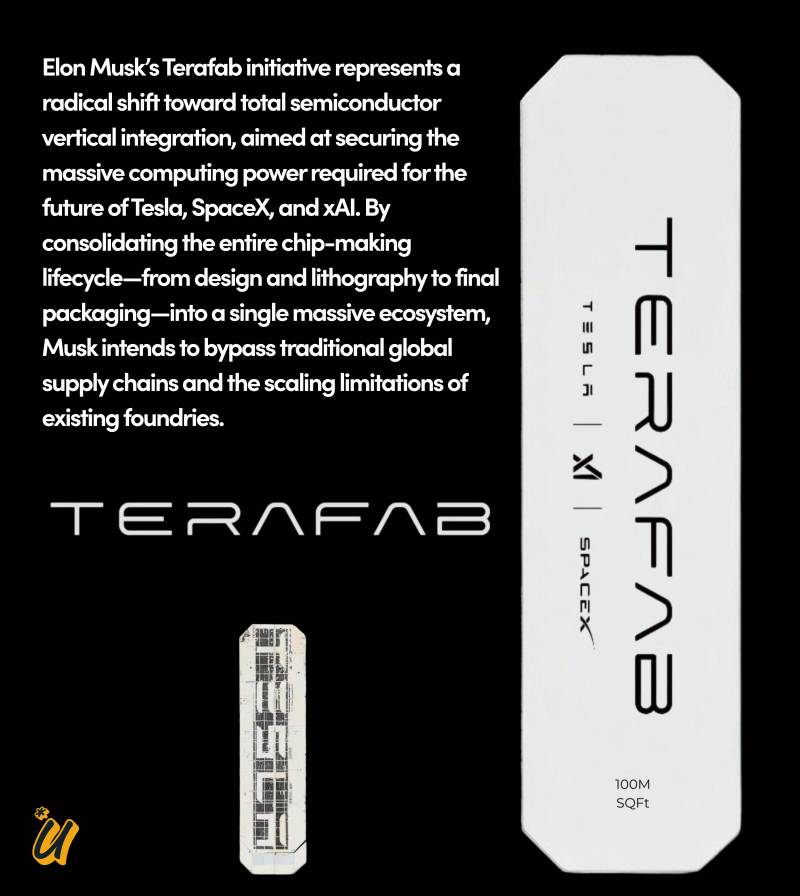
While Anthropic refines the software of the future, Elon Musk is attempting to fundamentally rewrite the hardware supply chain with his "Terafab" project. The ambitious venture aims to thrust Musk’s empire directly into the cutthroat world of semiconductor manufacturing—a move that has drawn sharp skepticism from veteran industry insiders. Critics point to Musk’s lack of a traditional track record in the hyper-precise world of sub-5nm fabrication. However, the show revealed that Musk is ignoring the doubters, aggressively engaging with primary supply chain providers to secure the lithography and etching equipment necessary to break ground. For Musk, Terafab is not just a company; it is a strategic necessity to bypass a global chip shortage that threatens his ambitions for Tesla’s robotics and xAI’s data centers.
The sheer scale of the demand Musk is fighting for was underscored by Taiwan Semiconductor Manufacturing Co. (TSMC). The world’s leading foundry posted a staggering 58% surge in quarterly profit, an earnings beat that reverberated across global markets. Citing an "insatiable" appetite for AI-specific silicon, TSMC took the rare step of raising its 2026 revenue outlook. The company’s performance acted as a validation of the current tech bull run, suggesting that the massive capital expenditures by "Hyperscalers" are finally translating into raw bottom-line growth for the hardware providers.
However, the "AI Summer" is facing a cold reality on the ground. As companies scramble to build the infrastructure required to house these powerful chips, they are meeting fierce resistance in both the United States and Europe. Bloomberg explored the growing "infrastructure friction" in regions like Spain and several U.S. states, where local governments and environmental groups are pushing back against the massive land use and electrical demands of new data centers. The energy requirements for training models like Mythos are straining local grids to their breaking points, leading to a political backlash that threatens to slow the physical expansion of the AI era.
Despite these logistical hurdles and the persistent shadow of conflict in the Middle East, investor conviction remains unshakable. The Nasdaq 100’s 12-day rally represents a "decoupling" of tech sentiment from broader global instability. Traders are increasingly viewing AI and high-end hardware not as speculative bets, but as the essential utilities of the next decade. As Hyde and Ludlow noted, the day's developments suggest that while the digital world is accelerating at "light speed," the physical world—defined by power lines, silicon wafers, and sovereign borders—is still struggling to keep pace.