The mosaic of human migration often traces hidden pathways across centuries, weaving diverse threads into the fabric of nations in ways that challenge monolithic definitions of identity and belonging. Within the crossroads of Europe and Asia, the historical narrative of the Afro-Turk community offers a profound testament to this dynamic blending of cultures, histories, and shared destinies. In an exceptionally luminous, masterclass-level sociological and cultural feature report, historians, documentary filmmakers, and cultural analysts examine the rich legacy of people of African descent within Turkey, breaking down the complex historical origins rooted in Ottoman trade and military service, the vibrant community revitalization surrounding the ancient Dana Bayramı, or Calf Festival, the powerful artistic expressions of contemporary figures like Melis Sökmen, Sibel Sural, and Deniz Pasha, and the deeply nuanced negotiations of identity, citizenship, and belonging. Through emotional precision, intelligent curation, cultural understanding, strategic storytelling, and transformational framing, this comprehensive news-style report explores a transcendent journey into an overlooked chapter of Mediterranean history.
The historical architecture of the Afro-Turk community spans centuries, rooted deeply in the complex socio-political apparatus of the Ottoman Empire. Unlike the trans-Atlantic slave trade, which was defined by chattel slavery on industrial plantations, the presence of Africans in the Ottoman lands evolved through a diverse array of channels, including Mediterranean trade networks, military conscription, and domestic service within imperial households. Over generations of settlement primarily concentrated in the Aegean region around Izmir, these individuals and their descendants integrated fully into Turkish society, engaging in intermarriage, adopting local customs, and contributing extensively to the agrarian and urban life of the region. Through emotional precision, reflecting on these deep historical roots evokes a quiet, contemplative resonance—a reminder that human migration is an enduring constant, and that complex ancestral stories are quietly embedded in the soil of every society.

Related article - Uphorial Shopify
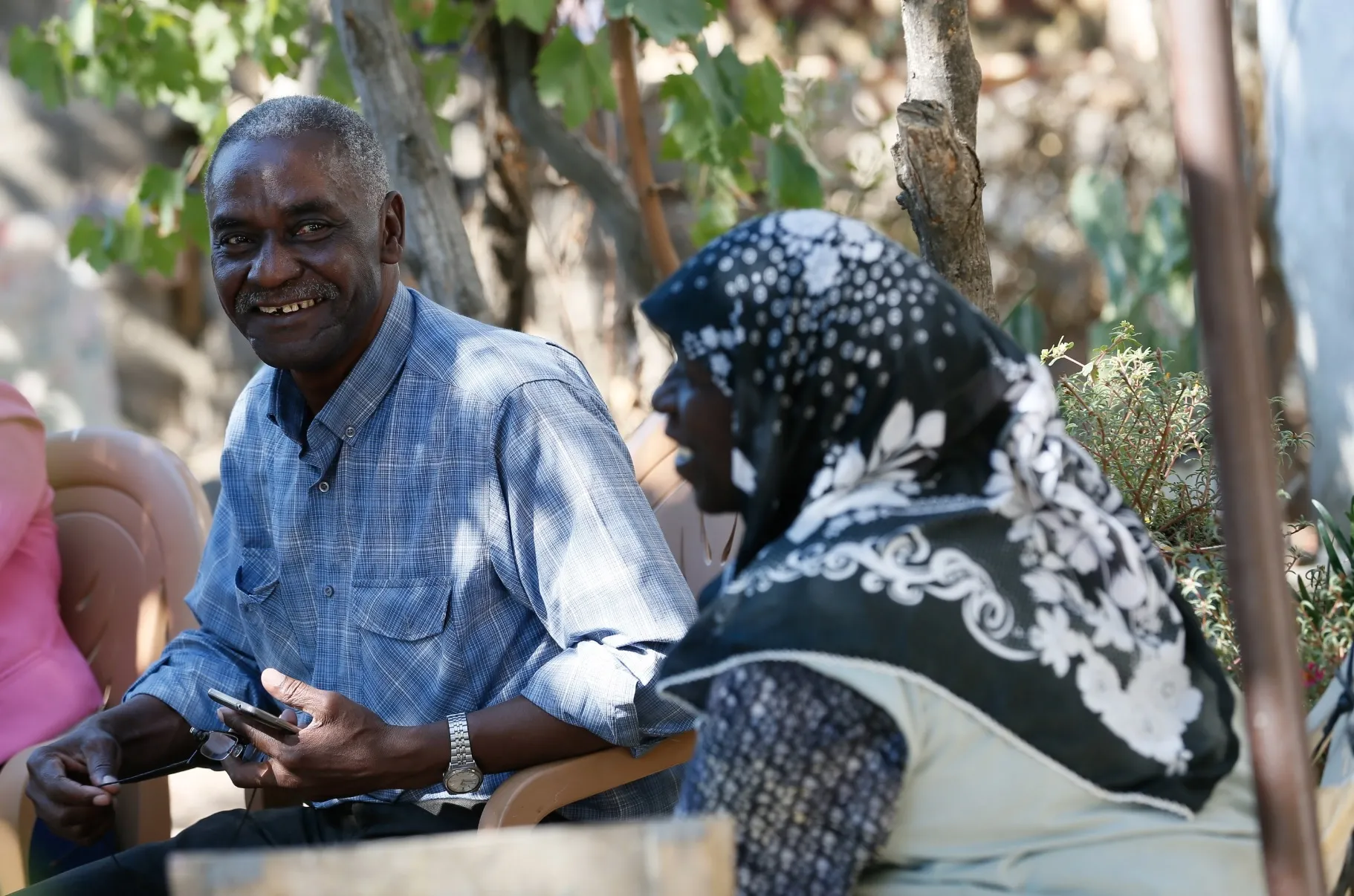
For decades, however, this rich history risked being swallowed by the march of rapid modernization and demographic assimilation. A vital turning point in the modern era has been the active cultural revival championed by organizations such as the African Culture Solidarity and Assistance Association, which has spearheaded efforts to restore fading traditions and preserve oral histories. Chief among these revived traditions is the Dana Bayramı, or Calf Festival, an ancient springtime celebration historically observed by the Afro-Turk community in Izmir that had largely faded into obscurity. Through intelligent curation of cultural memory, the revival of this festival functions as more than mere folklore; it serves as a living archive, allowing younger generations to touch, taste, and dance their way back to their roots while educating the broader public about a pluralistic Ottoman past.
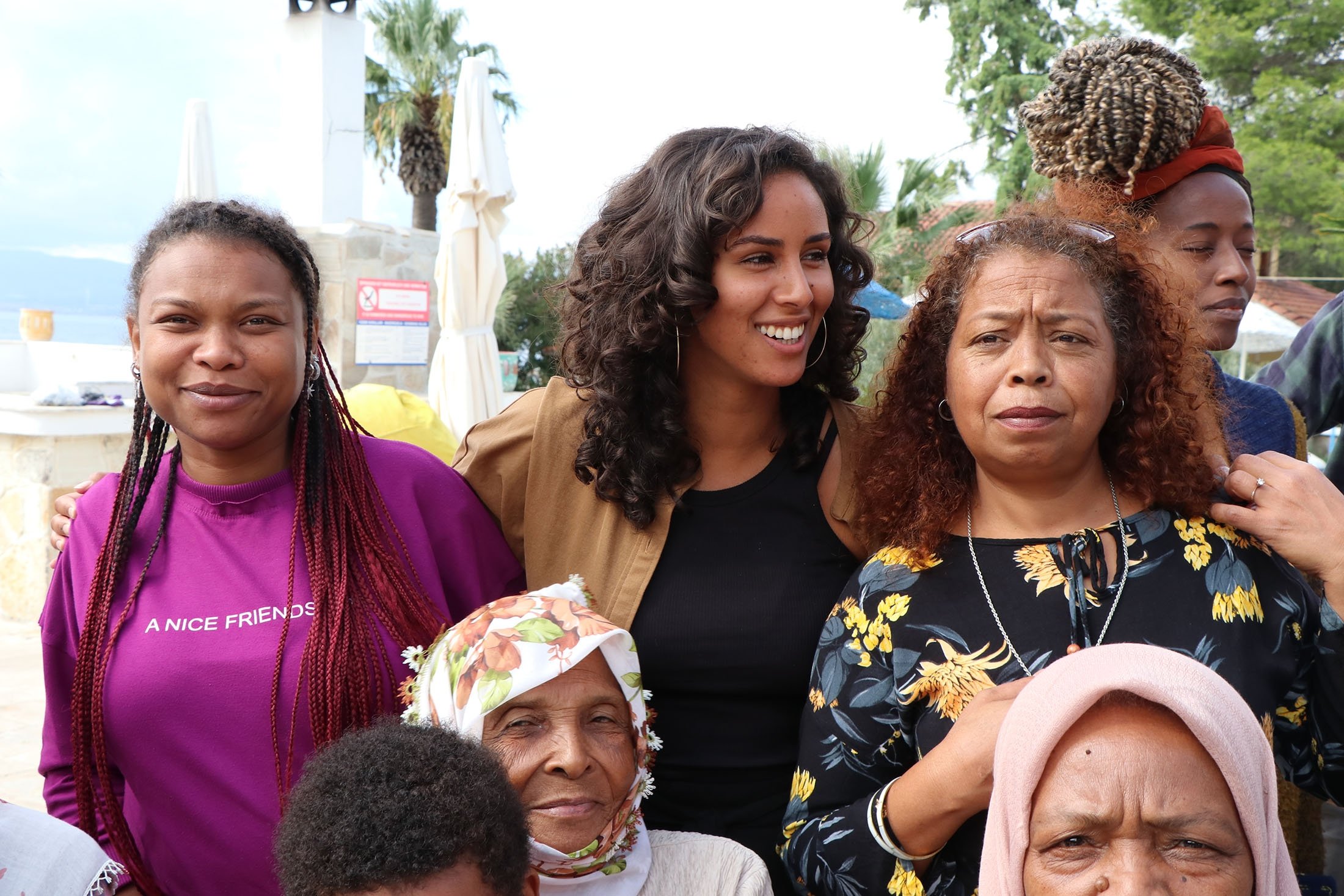
This reclamation of heritage extends far beyond traditional festivals into the vibrant realms of contemporary artistic expression, where Afro-Turk creators are reshaping the nation's cultural dialogue. The documentary lens brilliantly highlights trailblazing artists such as celebrated musician Melis Sökmen, accomplished ballerina Sibel Sural, and visionary visual artist Deniz Pasha, each of whom articulates how their distinct ancestral roots inform their creative visions. Whether through soul-stirring vocal performances, the graceful discipline of classical ballet, or thought-provoking installations, these artists actively work to make Afro-Turkish narratives visible and central to modern Turkish art. Through cultural understanding of creative agency, these pioneers demonstrate that minority identities are not static relics of the past, but dynamic, driving forces shaping the future of national culture.
Yet, this artistic flourishing exists alongside complex, deeply personal negotiations of identity and everyday belonging. Members of the community candidly share their lived experiences of growing up in Turkey, noting that while they occasionally encountered innocent curiosity or narrow, stereotypical roles in mainstream media representation, their primary, unwavering identification remains proudly Turkish. Their families have fought in national conflicts, built neighborhoods, and contributed to the nation’s history across generations. Through strategic storytelling, these personal testimonies dismantle monolithic notions of ethnicity, illustrating that national identity is capacious enough to hold multiple histories without erasing the unique hue of individual heritage.The narrative culminates in a powerful reflection on what it means to belong to a society that is actively learning to embrace its internal diversity. Through transformational framing, the exploration of the Afro-Turk community transcends a simple historical retrospective; it stands as a brilliant cultural milestone, proving that true national strength lies not in forced uniformity, but in the courageous, joyful celebration of all the diverse threads that weave together to form the tapestry of human history.