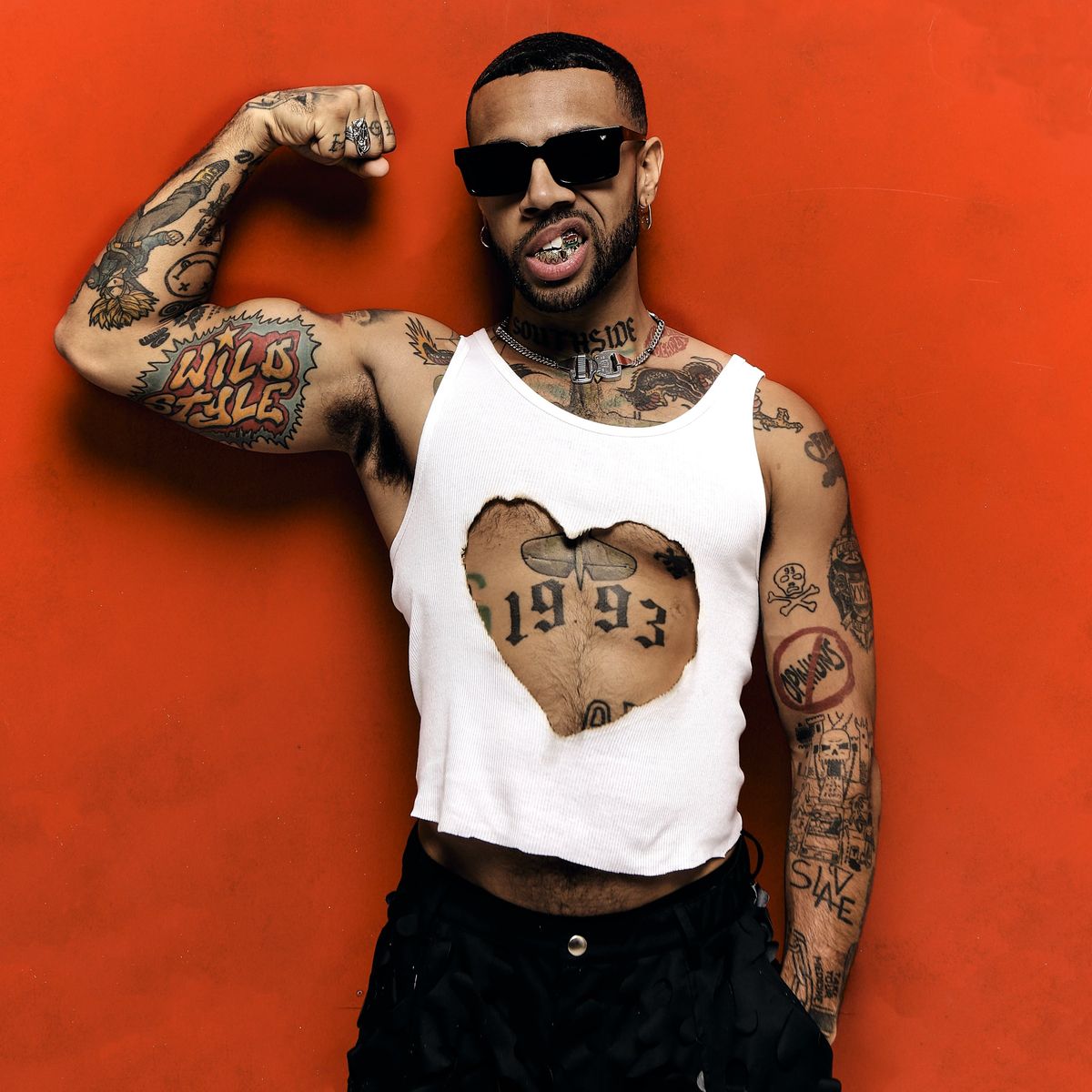
The landscape of modern media is increasingly defined by the intersection of digital-age absurdity and high-stakes geopolitical analysis, a reality that was on full display during a recent, wide-ranging report from the "What Now with Trevor Noah" platform. The discussion featured musician and activist Vic Mensa, providing a candid deep dive into the complexities of identity, the shifting nature of late-night commentary, and the sobering realities of global power dynamics. The conversation served as a definitive survey of the modern creator’s dilemma: how to navigate a world of viral internet culture while maintaining the intellectual rigor required to address issues like wealth inequality and international foreign policy.
The report opened with an analysis of one of the more peculiar cultural artifacts of the mid-2020s: Mensa’s "Orange Videos." Created in the relative isolation of his backyard, the viral series features Mensa peeling and eating oranges while delivering pointed reflections on world events. This format, as Noah noted, serves as a unique vehicle for social commentary, utilizing a mundane, almost meditative task to anchor heavy, often controversial subject matter. The success of the "Orange Videos" highlights a shift in how audiences consume information in 2026; there is a growing demand for authenticity and a "low-stakes" visual environment that allows for "high-stakes" intellectual engagement. By stripping away the polish of a traditional studio, Mensa has managed to bypass the usual barriers of media gatekeeping to reach a global audience directly.
A significant portion of the dialogue focused on the sociological gap between public perception and personal reality, specifically through the lens of the Black experience. Mensa and Noah explored the nuances of identity across different global cultures, noting how the African diaspora is perceived with striking variance depending on the geographic context. They discussed the psychological toll of existing in a society that often defaults to viewing young Black men as a "threat" to be managed rather than as individuals possessed of immense potential. This segment of the report provided a moving look at the internal work required to maintain a sense of self when the external world is constantly projecting a distorted image, a struggle that Mensa suggests has informed both his activism and his most recent creative output.
Related article - Uphorial Shopify


The conversation took a more granular and serious turn as the group analyzed the current geopolitical landscape, with a specific focus on the Southern Hemisphere. They delved into the persistent issue of wealth inequality in South Africa, discussing the role of polarizing political figures like Julius Malema and the systemic impact of global corruption on developing economies. This analysis extended to the Western Hemisphere, where the group scrutinized the historical and modern realities of U.S. foreign policy in nations such as Venezuela and Cuba. The discussion underscored a growing skepticism among younger generations regarding traditional diplomatic narratives, as Mensa argued for a more transparent understanding of how global power is wielded and at whose expense.

A central theme of the report was the evolving responsibility of the modern creator in an era of "cancel culture" and rapid-fire misinformation. Noah and Mensa engaged in a thoughtful debate on the changing nature of late-night media, questioning whether traditional formats still allow for the "truth-telling" necessary in a fractured society. Noah specifically praised Mensa for his rare willingness to clarify his views publicly when presented with new or contradictory information. In an age where doubling down on a mistake is often seen as a sign of strength, Mensa’s approach—prioritizing accuracy over ego—was highlighted as a vital model for public discourse. This willingness to evolve is, according to the panel, the only way to navigate the "consequences" of being an outspoken artist in the digital age.
Finally, the report touched upon the deeply personal shifts in Mensa’s life that have redefined his creative purpose. The artist shared how his transition into fatherhood has acted as a stabilizing force, moving his work away from a purely political or "combative" stance toward a more grounded exploration of family, legacy, and purpose. While his commitment to justice remains unchanged, the lens through which he views the world has widened. He suggests that the responsibility of being a father has made the "trying times" of the world feel more urgent, yet his response to them has become more thoughtful and focused on long-term impact rather than immediate reaction. Ultimately, the conversation between Trevor Noah and Vic Mensa stands as a testament to the power of long-form dialogue in an era of soundbites. By weaving together the triviality of peeling oranges with the gravity of international relations and the intimacy of fatherhood, they provided a comprehensive report on what it means to be a conscious human being in 2026. As Mensa continues to evolve as both a musician and a thinker, his journey serves as a reminder that the most impactful activism is often that which is rooted in personal growth and an unwavering commitment to the truth, however complex that truth may be.