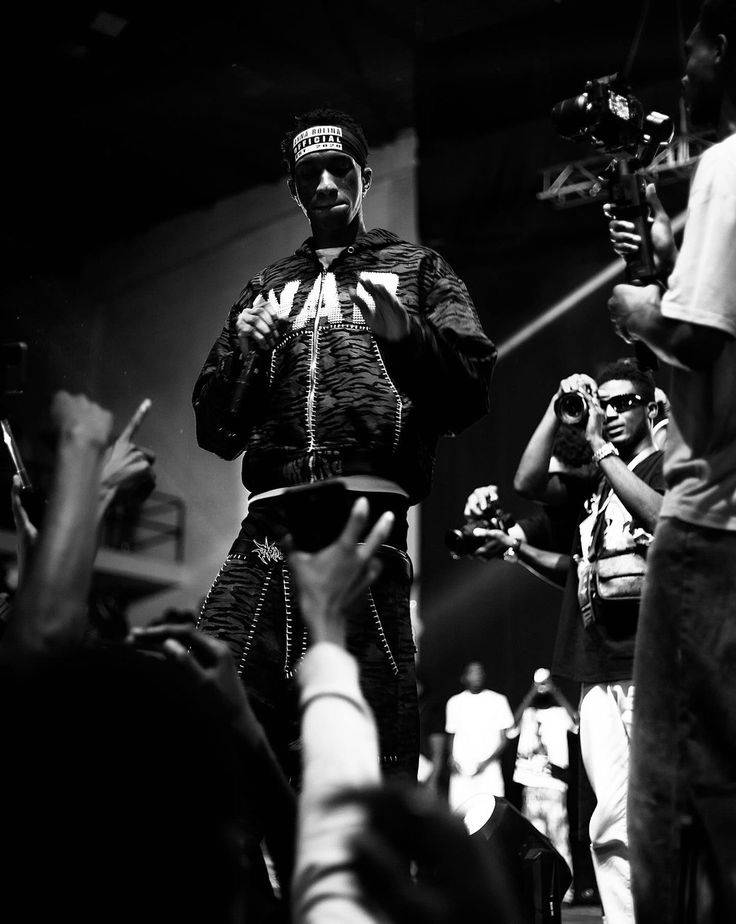
For decades, nightclubs were the pulsing heart of youth culture—a refuge for self-expression, transgression, community, and collective ecstasy. They were where music emerged before it hit the charts, where subcultures found form, and where friendships and identities were forged under flashing lights and pounding basslines. Yet today, in cities around the world, the archetypal nightclub is dying. In its place, a new generation of cultural spaces—arts venues, community hubs, hybrid performance spaces—are arising. This shift is more than aesthetic; it reflects deep transformations in urban life, technology, economics, and the very ways we seek connection. The Nightclub: A Brief Cultural History Nightclubs as we recognize them emerged in the early 20th century, but their cultural apex came in the late 20th century with disco, rave, house, techno, hip-hop, and global electronic scenes. They were crucibles of innovation where DJs became composers and dancers became devotees.
Related article - Uphorial Shopify

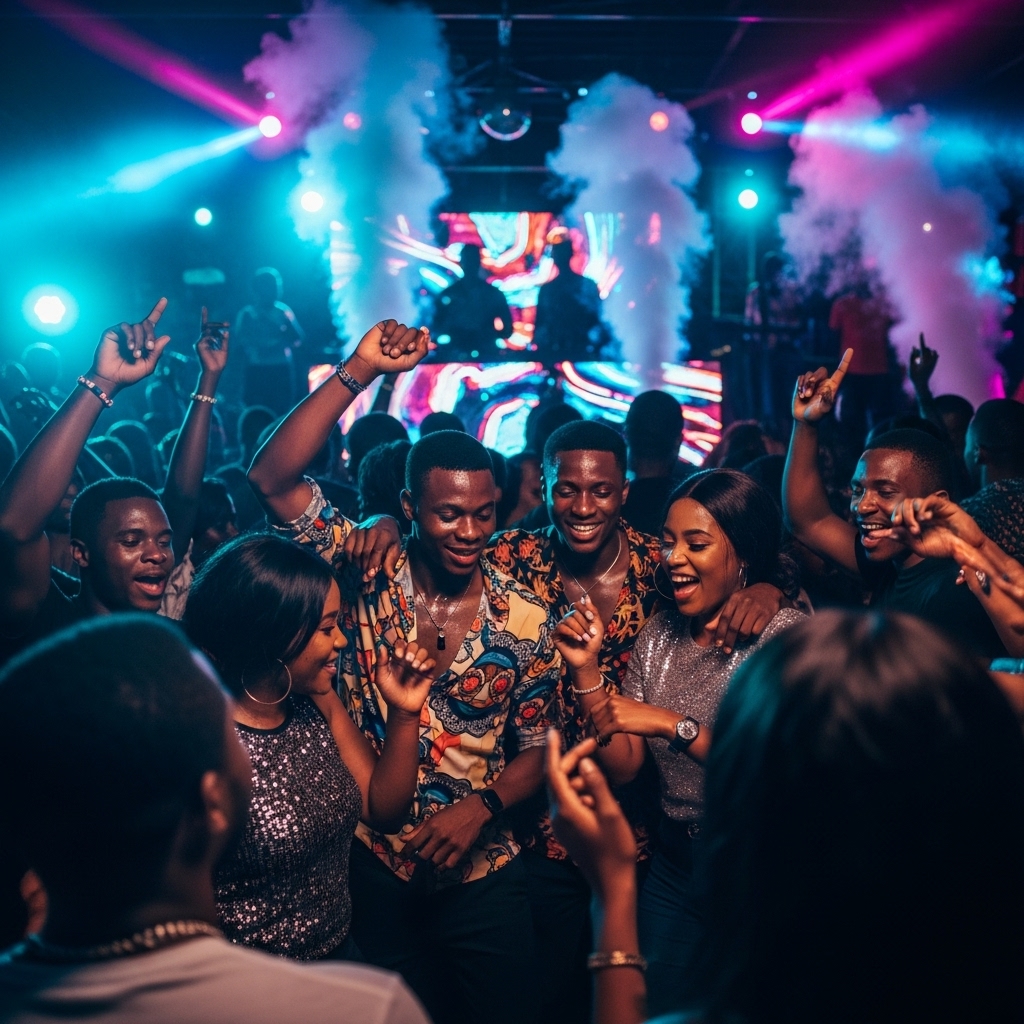
The nightclub was synonymous with nightlife, and nightlife was synonymous with youth culture itself. Yet from the 2010s onward, cracks began to widen in this edifice: Escalating real estate pressure in global cities made late-night venues financially untenable. Stricter licensing and noise regulations squeezed venues under the weight of bureaucracy. Rising costs of living meant fewer young people could afford to spend nights out. COVID-19 pandemic lockdowns shuttered clubs worldwide, and many never reopened. The result? A decline in traditional nightclubs—dark dance floors, exclusive bouncers, and VIP lines replaced by emptier urban nights. The once vibrant ecosystem that sustained rising artists and underground music scenes has frayed. Why Nightclubs Are Dying Understanding the demise of nightclubs requires looking at several intersecting forces:
1. Economics and Urban Real Estate Cities that once nurtured nightlife—Berlin, London, New York, Lagos, Tokyo, and others—now prioritize residential and commercial development. Land values surge, and nightclubs become expensive risks rather than cultural assets. Many venues close not because crowds vanish but because landlords opt for luxury condos or high-end retail.
2. Regulatory and Legal Pressures Noise complaints from new residents in formerly industrial districts have triggered curfews and policing. Licensing fees, zoning restrictions, and onerous safety compliance make operating a club prohibitively expensive. This regulatory burden disproportionately affects independent and underground venues.
3. Shifts in Social Behavior Younger generations socialize differently. Digital culture offers alternative forms of community and entertainment—social apps, livestreamed DJ sets, gaming, and virtual festivals. The idea of “going clubbing” doesn’t carry the same cultural currency it once did for millennials and Gen Z.
4. Pandemic Aftershocks COVID-19 was a blow from which nightclubs have struggled to recover. Even as restrictions lifted, the economic shock, lingering safety concerns, and loss of staff meant many venues never reopened. Patrons who once filled dance floors shifted toward outdoor events or smaller gatherings. The Rise of Cultural Spaces: What’s Filling the Void? As nightclubs fade, they are being replaced—not by nothing—but by cultural spaces that blend art, music, community, and public engagement in new ways. These spaces aren’t simply clubs in disguise; they represent a reimagining of what it means to gather.
1. Hybrid Arts and Music Venues Spaces that combine galleries, performance art, experimental music, and social space have proliferated. These venues host exhibitions, debates, DJ nights, and workshops under one roof. Their flexible programming attracts diverse audiences and sustains community involvement year-round rather than only after midnight.
2. Community-Driven Projects In many cities, grassroots cultural centers—often run by collectives or non-profits—have emerged as alternatives to commercial nightlife. They foreground participation over consumption, emphasizing accessibility and diversity. They host everything from spoken word nights to local music showcases and skill-sharing events.
3. Outdoor and Daytime Cultural Festivals With nightlife in decline, cultural life is shifting toward festivals, open-air markets, daytime gatherings, and community art fairs. These events foster socialization without the barriers of traditional clubs—no bouncers, no cover charges, and often no age limit.
4. Digital and Hybrid Experiences Technology hasn’t killed nightlife; it has transformed it. Virtual dance parties, avatar spaces, and livestreamed performances are becoming standard. Some cultural spaces now augment in-person events with digital access, broadening participation beyond physical geography. Beyond Entertainment: Why This Shift Matters To dismiss nightclubs as merely places to dance is to overlook their cultural function: they were nodes of social production where music trends incubated, identities found expression, and communities formed. The decline of nightclubs raises critical questions about how contemporary societies value culture and community. Economic Value vs Cultural Value Nightclubs historically contributed to local economies—tourism, creative industries, and nightlife employment.

But their value was often measured in dollars rather than cultural vibrancy. The rise of cultural spaces reflects a broader demand for environments that prioritize sustainability, diversity, and accessibility over profit margins. Reimagining Community and Space Cultural spaces redefine community not by exclusion (e.g., VIP areas, age restrictions) but by inclusion. They enable cross-generational engagement and often operate with missions around creativity, education, and social justice. Art as Lifeblood Where nightclubs prioritized consumption and spectacle, cultural spaces emphasize creation and participation.
They encourage local talent, open mic nights, collaborative art projects, and interdisciplinary practices that blur the lines between audience and performer. Challenges and Tensions Ahead The rise of cultural spaces does not mean nightlife is gone—it is evolving. But challenges remain: Funding and Sustainability: Cultural spaces often rely on grants or community support. Without stable revenue, they risk impermanence. Equity and Accessibility: Ensuring these spaces serve diverse populations—not just cultural elites—requires intentional policy and practice.
Balancing Commercial and Cultural Values: Some hybrid venues risk commodifying culture in the same ways nightclubs once did. Conclusion: Night’s Transformation, Not Its End Nightclubs are not simply dying; they are metamorphosing. The electrified dance floors and late-night revelry that defined an era are making room for multifaceted cultural ecosystems—spaces where music, art, community, and expression coalesce without the strictures of traditional nightlife. This is not the death of night but its evolution: from darkened clubs to open cultural constellations. As cities and societies rethink what public life means, the future belongs not to any single model, but to a pluralism of spaces that reflect the diversity and dynamism of human creativity.