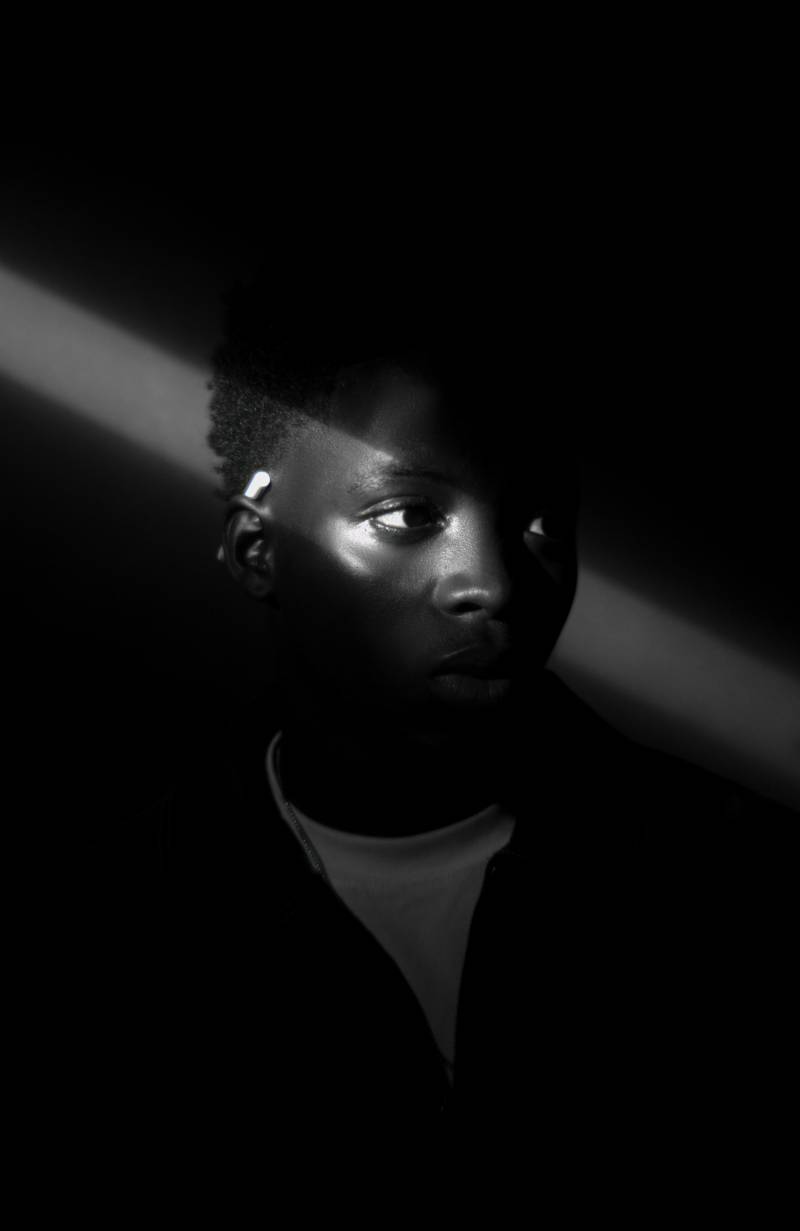
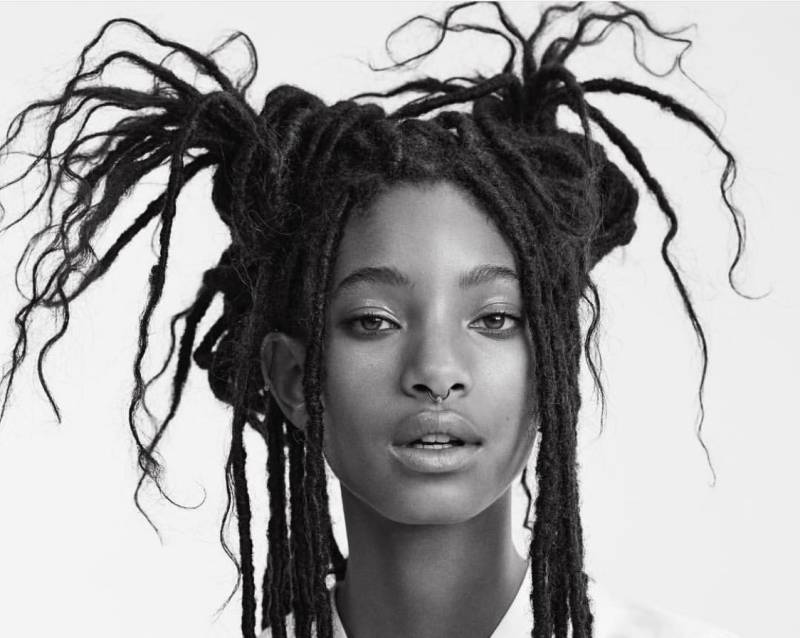
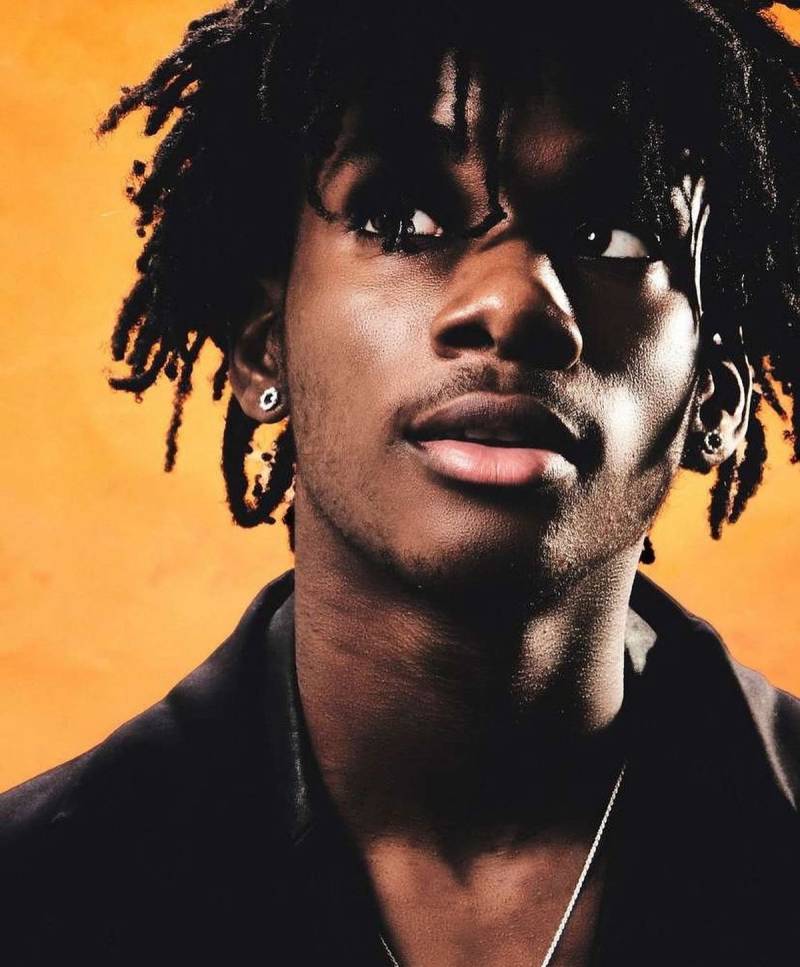
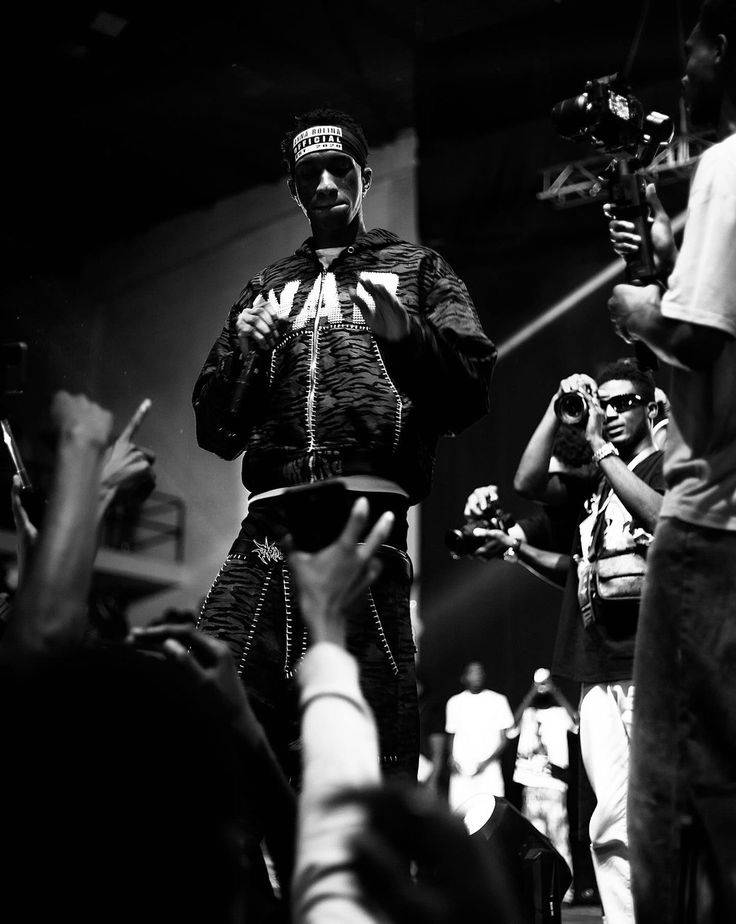
Lagos, Nigeria - In global culture cycles, cities rise and fall as symbols. But every so often, a city does something more powerful than trend — it builds infrastructure. That is what is happening in Lagos. The transformation unfolding there is not a “hot streak” of successful artists. It is a convergence of art, music, and fashion forming a self-reinforcing creative ecosystem. Each discipline is influencing the other. Each is scaling at the same time. This is no longer about export. It is about authorship. Music: From Global Sound to Sonic Architecture Afrobeats’ global breakthrough is well documented. Stadium tours. Billboard placements. International collaborations. But inside Lagos, the conversation has shifted beyond breakthrough. The new generation is not simply making songs — they are designing sonic architecture. Artists like Rema are operating in post-genre territory. His catalog bends between Afro-fusion, trap, alternative pop, and electronic textures. The experimentation is not random. It reflects a generation raised on algorithmic listening — where genre is less important than mood and emotional resonance. Meanwhile, artists like Ayra Starr lean into vulnerability, tonal softness, and aesthetic cohesion. The production choices feel intentional — airy percussion, restrained layering, melodic phrasing that translates across markets. And then there is the global ambition established by Burna Boy, who expanded Afrobeats into arena scale without diluting its rhythmic identity. That model proved that Nigerian sound did not need to shrink to cross borders.

Now, younger producers in Lagos are pushing even further: Blending Amapiano basslines with Afro-fusion melodies Introducing alternative rock structures into traditional rhythms Using minimalist percussion to create mood-driven soundscapes The result is fragmentation — and fragmentation is maturity. When a genre diversifies internally, it stops being a trend category and becomes a cultural language. Fashion: The Rise of Unapologetic Design Music often drives fashion cycles, and Lagos is no exception. But what makes this moment distinct is that fashion in Lagos is no longer oscillating between imitation and tradition. It is synthesizing both without explanation. You see designers incorporating indigenous textiles like Ankara into oversized contemporary silhouettes.
Tailoring techniques rooted in heritage are recontextualized through minimalist design philosophies. Accessories mix handcrafted detail with industrial sharpness. What has shifted is psychological. Earlier waves of Nigerian fashion often sought validation through Western co-signs. Now, the aesthetic confidence feels internal. Designers are not asking whether their work feels “global enough.” They assume global relevance as a baseline. The fashion ecosystem is also more organized: Stylists collaborate directly with musicians to build cohesive eras Creative directors think in campaign cycles, not one-off visuals Pop-ups function like curated cultural experiences, not just retail events Music videos are no longer just promotional tools — they are fashion editorials. Album art influences street style. Designers build collections inspired by sonic moods emerging from studios across the city. Art direction has become a central discipline.
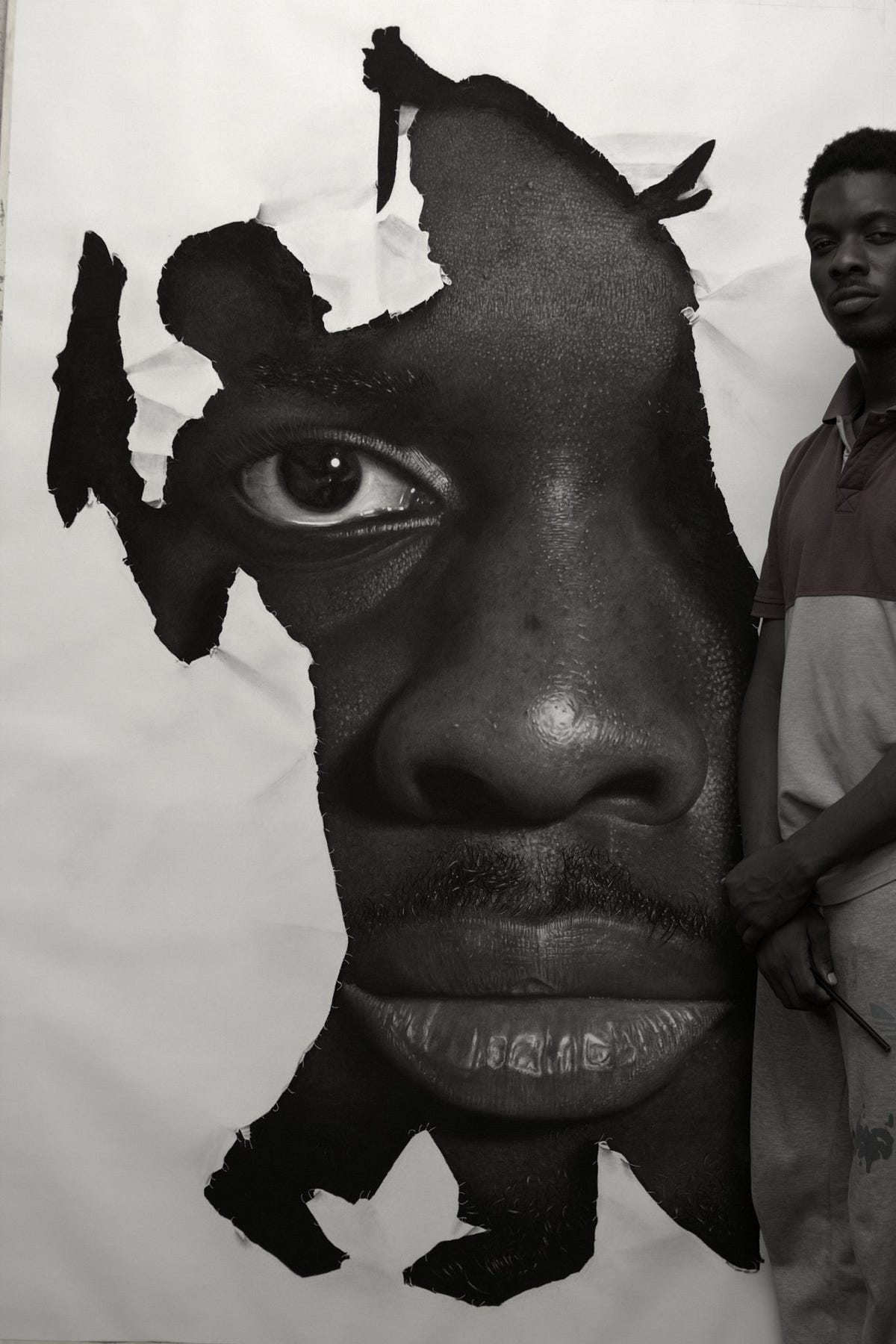
The Creative Renaissance Reshaping Lagos: Art, Music, and Fashion in Convergence
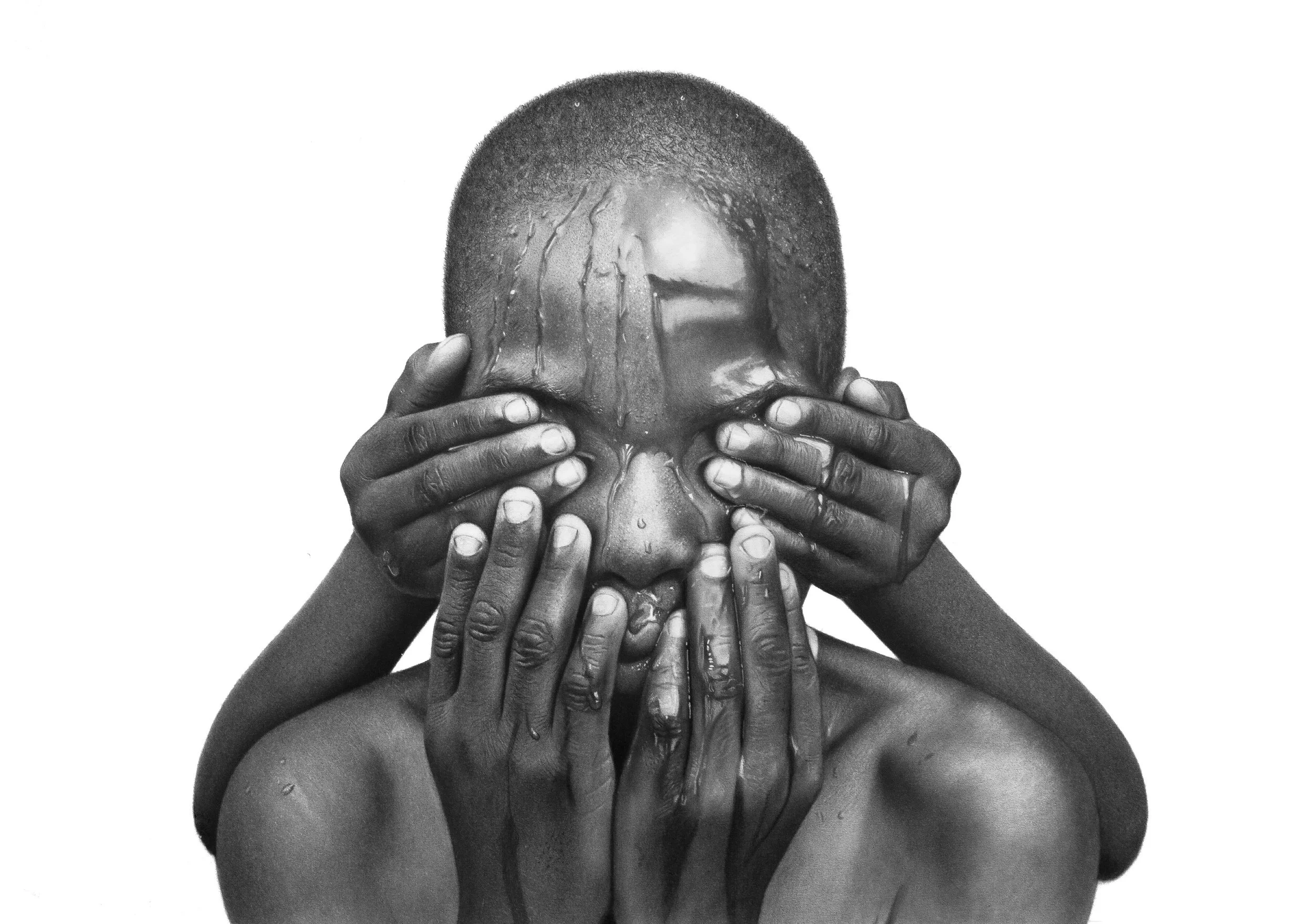
Visual Art: The Quiet Intellectual Engine Behind the sonic and sartorial evolution lies another force: visual art. Lagos’ contemporary art scene has gained increasing international attention over the past decade, but locally, its influence runs deeper than gallery walls. Fine artists, photographers, and digital illustrators are shaping the visual language of music and fashion simultaneously. Album covers are conceptual. Editorial shoots reference Afro-futurism. Stage designs incorporate sculptural sensibilities. This cross-pollination matters. Visual artists are interrogating themes of identity, migration, colonial memory, and modern urban tension. Those same themes surface in lyrics and clothing design. The city’s art institutions and independent galleries have become incubators for aesthetic experimentation. The dialogue between painters, designers, and musicians is fluid. Collaboration feels natural rather than strategic. This is what ecosystem looks like. The Infrastructure Shift Perhaps the most transformative aspect of Lagos’ renaissance is not creative — it is structural. Studios are better equipped. Distribution is digitally optimized. Artists understand streaming analytics. Designers control small-batch production. The internet has flattened traditional gatekeeping. A musician in Lagos can reach audiences in London, Toronto, or Paris without physical relocation. A designer can drop a capsule collection via Instagram and sell internationally within hours. Diaspora cities like London have become collaborators rather than validators.
The exchange is circular. And because Lagos operates in constant negotiation with both local realities and global visibility, its creatives develop resilience and adaptability. Scarcity has historically fueled innovation. Now, digital leverage amplifies it. Identity Without Apology What unites art, music, and fashion in Lagos right now is a subtle but powerful psychological shift: identity without apology. There is less need to translate culture for foreign audiences. Less need to dilute accents, references, or aesthetic specificity. This confidence produces depth. Lyrics are more personal. Fashion is more rooted. Visual art is more politically aware. Instead of chasing universality, creatives are embracing particularity — and paradoxically, that specificity resonates globally. What This Moment Represents The creative renaissance in Lagos is not defined by hype or virality. It is defined by alignment. Music pushes boundaries. Fashion articulates perspective. Visual art interrogates identity. All three move in conversation with each other. If sustained, this convergence could position Lagos as more than a source of global hits or runway moments. It could become a blueprint city for post-colonial creative independence — a place where art, sound, and design scale without surrendering authorship. And perhaps most importantly: It is still early. The infrastructure is forming. The aesthetic language is sharpening. The confidence is stabilizing. What we are witnessing is not a peak. It is a foundation.
Uphorial