Cities do not simply contain creativity — they structure it. The built environment, transport systems, class divisions, immigration flows, institutional funding, nightlife policy, rent prices, and even traffic patterns all shape how culture is produced and circulated. Looking at Lagos, London, and New York City reveals three distinct creative ecosystems. Each city generates a different tempo of ambition, a different relationship between underground and mainstream, and a different negotiation between survival and expression. Music, fashion, and visual art in these cities are not just creative outputs — they are responses to urban pressure.
Lagos is less a city and more an electrical current. With over 20 million people navigating congestion, unstable infrastructure, and intense economic inequality, creativity emerges not from institutional support but from necessity. Music: Rhythm Born of MovementLagos’ traffic is legendary. Hours spent in cars, danfos, and okadas create a constant soundtrack culture — music blasting through open windows, spilling into streets, bleeding into clubs. Sound travels here. Afrobeats (distinct from Fela-era Afrobeat) is the clearest product of this urban rhythm. Artists such as Wizkid and Burna Boy represent a generation shaped by: - Informal studio setups - Piracy-era digital distribution - Diaspora feedback loops between Lagos, London, and New York Unlike London or NYC, Lagos lacks dense institutional gatekeeping. There are fewer legacy labels, fewer entrenched media hierarchies. This produces speed. Songs are released quickly. Trends mutate rapidly.
The market rewards immediacy. The city’s instability encourages genre fusion — highlife, dancehall, hip-hop, Amapiano influences — reflecting a port city historically connected to global trade. Music here is entrepreneurial first, aesthetic second. Success is survival. Fashion: Self-Styling in a Status City Lagos is intensely visual. Wealth disparity is visible — in cars, parties, weddings, and nightlife. Fashion becomes both aspiration and armor. Designers like Kenneth Ize and brands emerging from Lagos reinterpret traditional textiles (aso-oke, adire) through contemporary silhouettes. Meanwhile, street culture blends luxury imports with local tailoring. Unlike London or NYC’s structured fashion weeks, Lagos fashion grows through: - Social media amplification - Event culture (weddings, club nights, concerts) - Celebrity endorsement Style moves through community networks rather than institutions. Tailors, markets, and Instagram replace formal gatekeepers. Fashion in Lagos is about presence — being seen in a city where visibility equals opportunity. Art: Emerging Global Recognition The Lagos art scene has grown rapidly, anchored by institutions like ART X Lagos, which connects local artists to global collectors.Visual art reflects themes of identity, postcolonial modernity, and hyper-urban life. Materials are often resourceful — reclaimed objects, textured surfaces, hybrid forms. Like its music scene, Lagos art balances local storytelling with global market awareness. Scarcity produces experimentation. There is less separation between commercial and conceptual practice. Artists are strategists. Lagos’ creative signature: urgency, hybridity, entrepreneurial force.

Related article - Uphorial Shopify
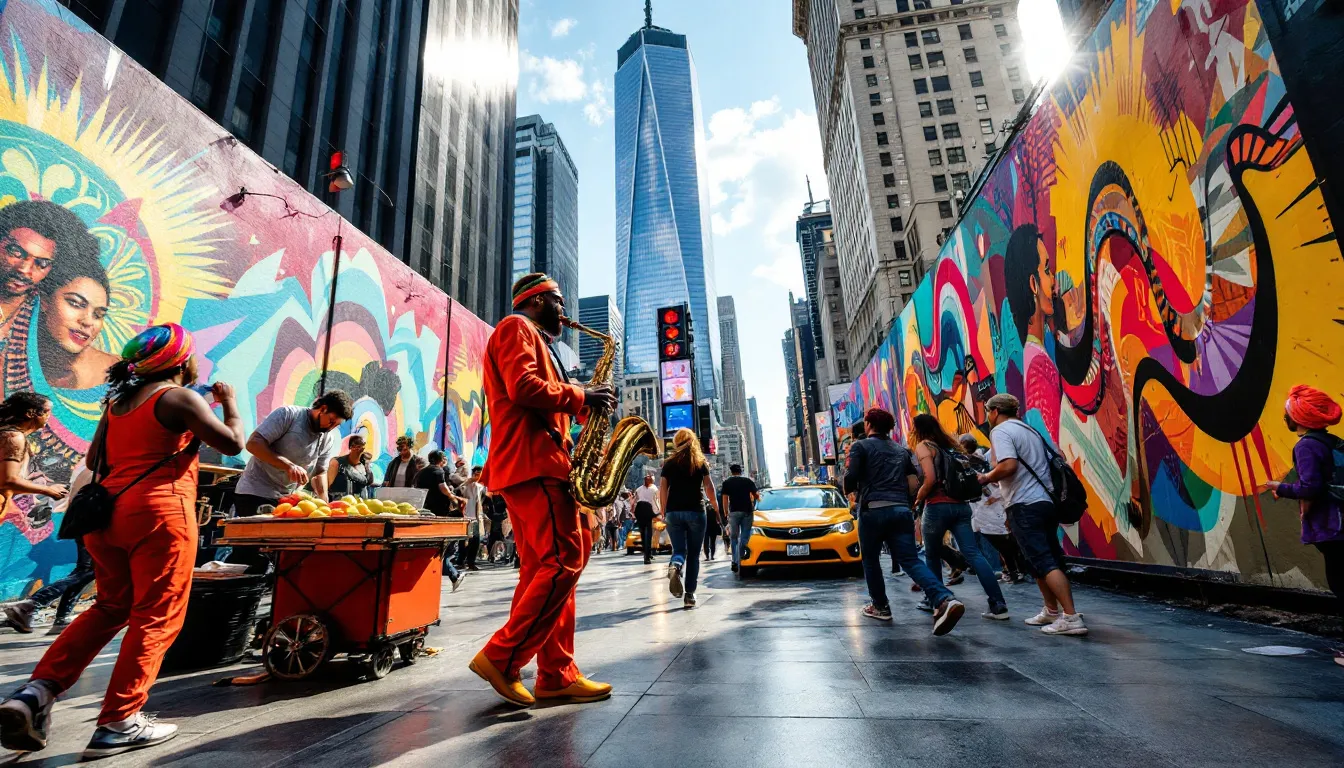
How Cities Shape Creative Energy Lagos, London, and New York.
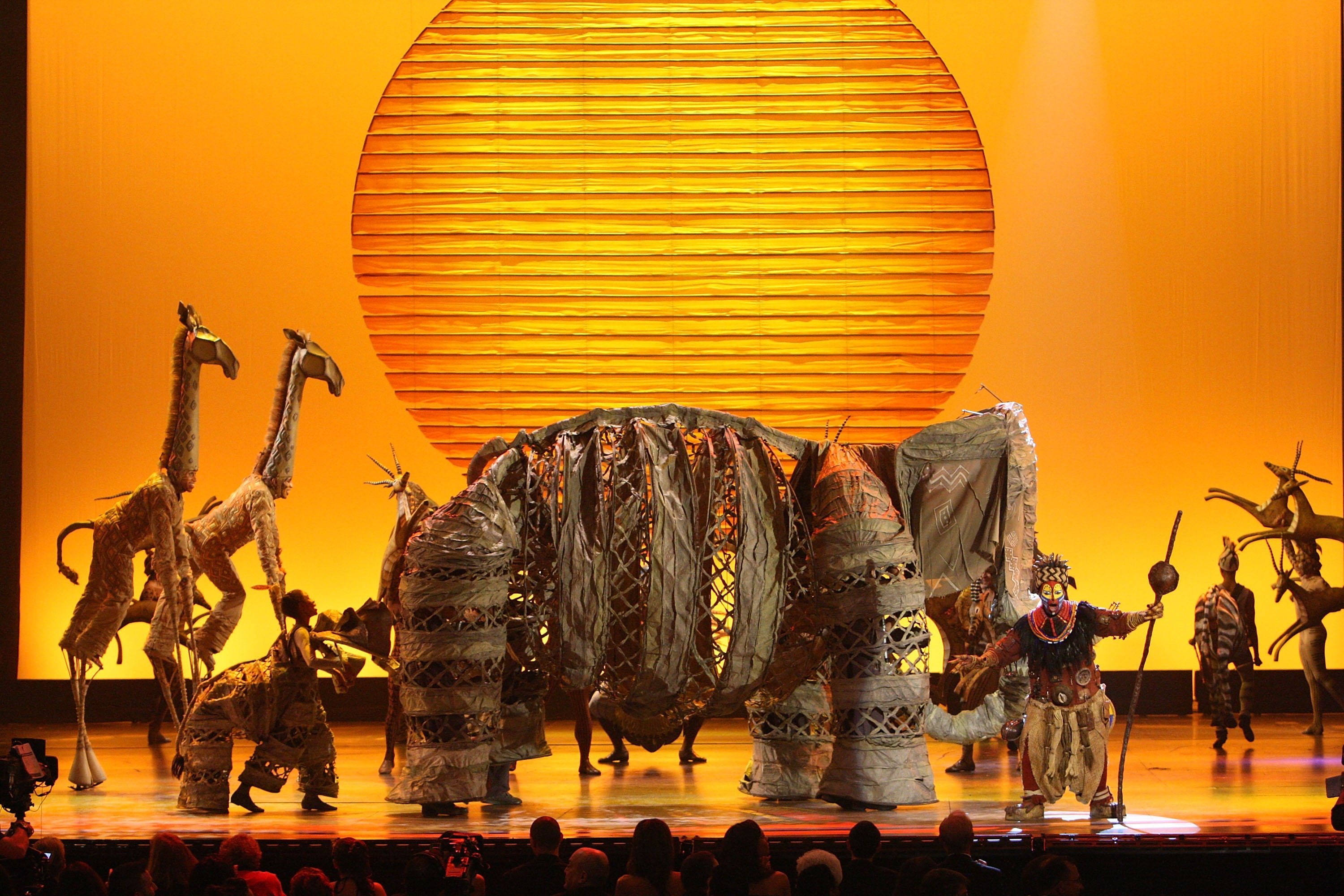
London: Subculture Meets Structure London operates differently. It has centuries of institutional weight — museums, art schools, publishing houses, fashion councils — yet some of its most powerful cultural movements come from marginalized communities.It is a city where underground culture eventually gets archived. Genres like grime emerged from East London’s council estates, shaped by pirate radio culture and DIY distribution. Artists like Skepta transformed localized street sound into international influence. London’s strength lies in: Art school cross-pollination Multicultural demographics (Caribbean, African, South Asian diasporas) Public broadcasting institutions Unlike Lagos’ speed or NYC’s competitiveness, London nurtures subculture slowly before mainstream absorption. Scenes build in specific neighborhoods — Brixton, Peckham, Tottenham — then scale globally. The city’s postcolonial makeup makes hybridity central to its sound. Fashion: Education as Power Few cities rival London’s fashion education ecosystem. Institutions such as Central Saint Martins have produced globally influential designers including Alexander McQueen. London fashion often emphasizes concept over commerce. It tolerates eccentricity. Designers experiment with narrative, politics, and theatricality before being absorbed into global luxury systems. Streetwear and tailoring coexist fluidly — Savile Row precision meets grime aesthetics. London’s fashion system balances rebellion and refinement. Art: The Institutional-Underground Tension With institutions like Tate Modern, London offers a clear pathway from emerging artist to institutional validation. Yet many groundbreaking movements operate outside these walls — in DIY galleries, warehouse exhibitions, and collectives. The city’s high rent pressures artists toward collaboration and shared space. London creativity is shaped by negotiation: Between public funding and market forces Between immigration narratives and British identity Between establishment prestige and underground authenticity London’s creative signature: layered, intellectual, subculture-driven yet institutionally amplified.
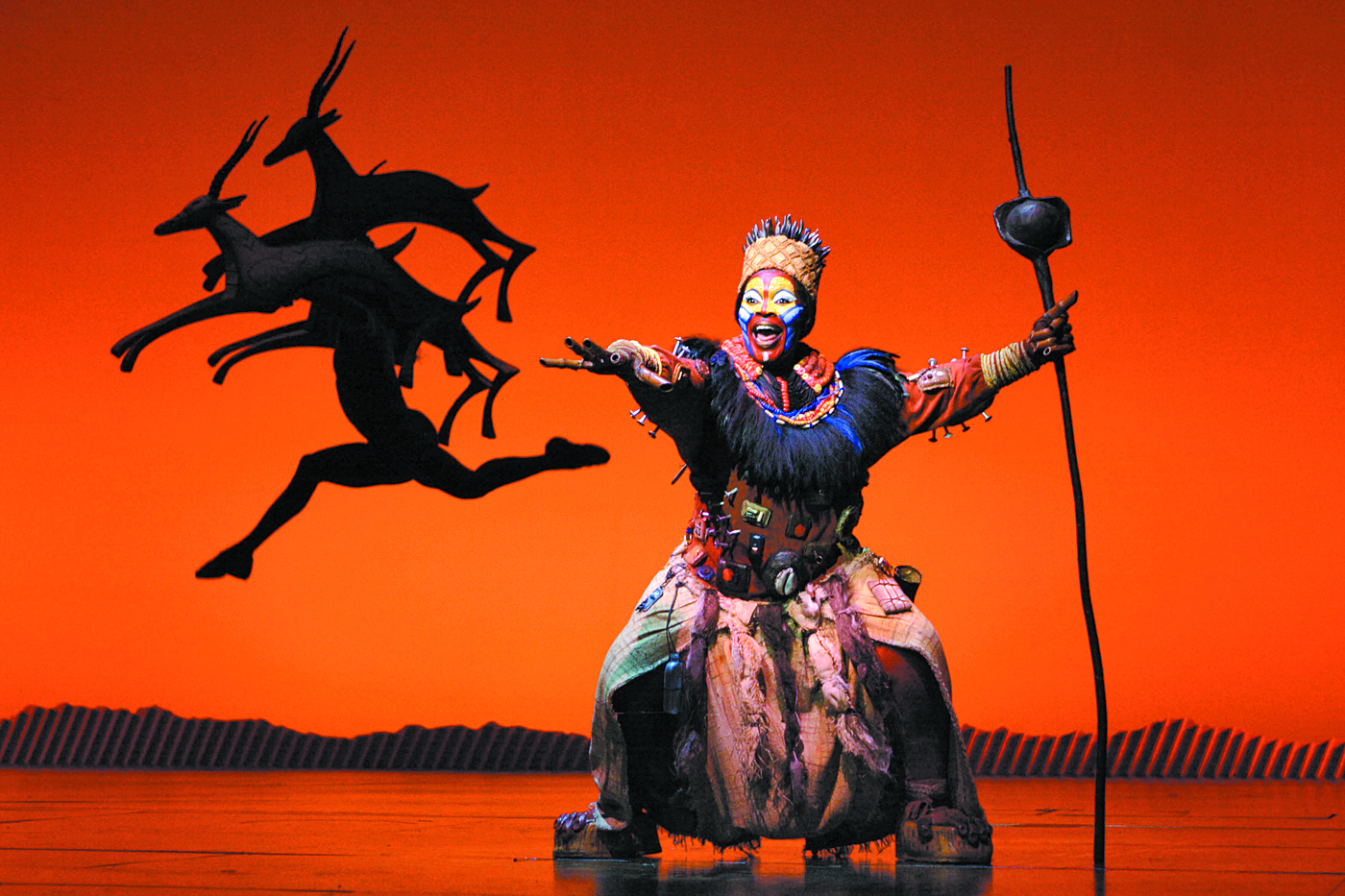
New York City: Density as Acceleration New York’s defining trait is compression. Industries overlap physically and socially. A gallery opening, fashion show, and music showcase may happen within blocks of each other. Proximity breeds competition. Music: Myth-Making and Industry Power Hip-hop’s origins in the Bronx turned into a global economic engine. Artists like Jay-Z embody New York’s narrative: creative ambition fused with corporate strategy. Unlike Lagos’ informality or London’s public funding hybrid, NYC’s music industry is deeply commercial. Major labels, streaming headquarters, media conglomerates — they cluster here. The result: Fast scaling Strong branding culture Clear pathways to monetization New York rewards those who convert identity into enterprise. Fashion: Capital and Culture New York Fashion Week is not just aesthetic — it is business infrastructure. American fashion prioritizes wearability, market fit, and brand scalability. Designers like Marc Jacobs represent a model of commercial fluency blended with cultural relevance. Streetwear movements (Harlem, downtown skate culture, Brooklyn creatives) continuously feed high fashion.
The city’s density ensures constant cross-pollination between finance, art, and nightlife. Here, fashion is strategy. Art: Gallery Capital of the World Neighborhoods like Chelsea concentrate galleries, collectors, and auction houses. Institutions such as Museum of Modern Art serve as global arbiters of taste. New York’s art scene thrives on visibility and competition. The pressure to stand out is intense. But the rewards — media coverage, collector networks, institutional acquisition — are unparalleled. The city mythologizes the struggling artist and the overnight success simultaneously. New York’s creative signature: competitive, commercially integrated, myth-driven. Cross-City Comparisons Dimension Lagos London NYC Core Driver Survival & youth energy Subculture + institutions Density + industry Music Pathway Digital hustle Scene-building Label scaling Fashion Logic Visibility & identity Conceptual education Market strategy Art Ecosystem Emerging global market Institutional validation Commercial acceleration What These Cities Teach Us Creativity reflects infrastructure. Scarcity can generate speed and innovation. Institutions can amplify or dilute subculture. Density increases competition — and polish. Diaspora networks connect all three. Lagos exports rhythm. London exports narrative. New York exports mythology. But increasingly, these cities are interconnected. Afrobeats charts in London and Brooklyn. London designers show in New York. NYC artists collaborate with Lagos galleries. Urban creativity is no longer isolated — but its source energy remains deeply local.