In a historic day for both the financial markets and the technological frontier, the April 1, 2026, Bloomberg Technology captured a world in the midst of a radical transformation. From the corridors of the Supreme Court to the launchpads of Cape Canaveral and the sprawling data centers fueling the artificial intelligence revolution, the news cycle reflects a global landscape defined by immense ambition and the friction of rapid scaling. As the day unfolded, the sheer scale of investment in the future of computation and space exploration suggested that the mid-2020s are no longer just a period of transition, but a definitive leap into a new era of human capability.
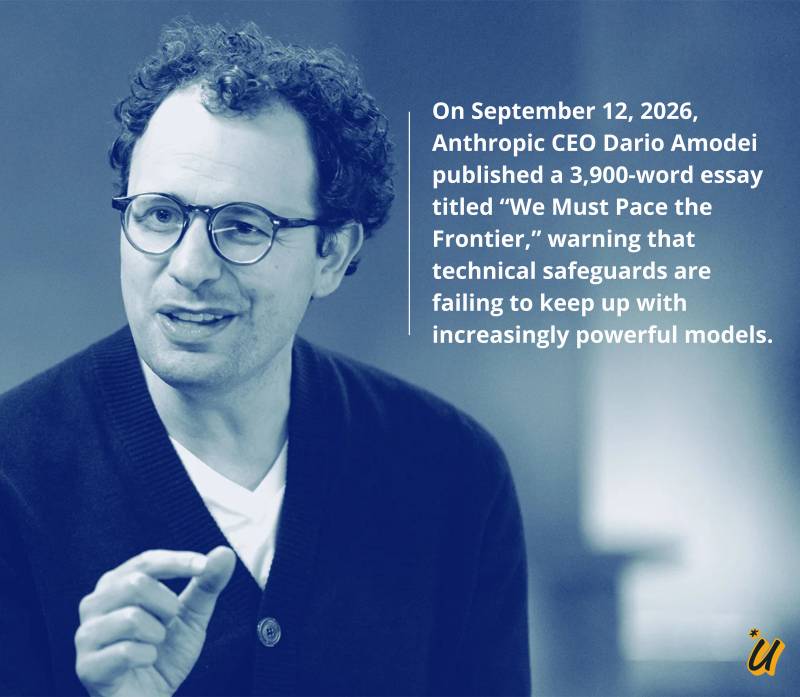
The most staggering news of the day emerged from the artificial intelligence sector, where OpenAI once again shattered expectations for private company valuations. The organization secured a massive $122 billion funding round, catapulting its total valuation to a historic $852 billion. This infusion of capital underscores a profound market conviction that the path to Artificial General Intelligence is not only viable but imminent, requiring the kind of capital expenditure once reserved for sovereign nations. However, the path to dominance is rarely smooth, as evidenced by a startling security disclosure from OpenAI’s primary rival, Anthropic. The company reported an accidental exposure of the internal source code for its Claude coding assistant. In a rare moment of transparency within the secretive AI arms race, Anthropic attributed the leak to a simple human error rather than a sophisticated cyberattack, highlighting the precariousness of the world’s most valuable intellectual property in an era of hyper-scale development.
Beyond the software and the models, the physical infrastructure of the AI boom is beginning to groan under the weight of its own success. Industry reports now indicate a looming power bottleneck that threatens to stifle progress. Nearly half of the world’s planned data centers are currently facing significant delays, driven by a global shortage of critical electrical equipment and a heavy reliance on a fractured international supply chain. The hunger for electricity to power these massive compute clusters is outstripping the grid’s capacity to deliver, forcing tech giants to rethink the very geography of their operations. This infrastructure crisis provided the perfect backdrop for Elon Musk’s latest gamble, as SpaceX reportedly filed confidentially for an initial public offering. Aiming for a potential June launch on the public markets, the IPO is intended to bankroll a new frontier of infrastructure: space-based data centers. By moving the heat and energy demands of massive servers off-planet, SpaceX intends to circumvent terrestrial power constraints while solidifying its role as the backbone of the orbital economy.
The momentum in the aerospace sector extended beyond commercial ventures to the heights of national prestige with the Artemis II program. Preparation for the mission is reaching its final stages as the world watches a critical dress rehearsal for humanity’s return to the lunar surface. Artemis II is set to send a crew of astronauts into the moon's vicinity, testing the life-support and navigation systems that will eventually facilitate long-term lunar habitation. This resurgence in lunar exploration is no longer just a matter of scientific curiosity but a strategic move to secure a foothold in what many are calling the "eighth continent," where potential resources and strategic positioning will define the geopolitics of the next century.
While the stars beckon, the industrial engine of the Earth is undergoing its own renovation. Intel, a company that has spent years navigating a complex turnaround, signaled a major surge in confidence by repurchasing a half-stake in its Irish chip manufacturing plant for $14.2 billion. This move is a centerpiece of Intel’s aggressive strategy to regain its mantle of global foundry leadership, ensuring that the United States and its allies maintain a competitive edge in the high-stakes semiconductor market. The move is seen by analysts as a vital step in de-risking the supply chain, which has remained vulnerable to the geopolitical tremors that continue to ripple across the globe.
In the realm of policy and law, the day was marked by a moment of unprecedented gravity as President Trump made an appearance at the Supreme Court. The President attended oral arguments regarding the future of birthright citizenship, a case that could fundamentally redefine the American legal fabric and the concept of national identity. The presence of a sitting president at the high court underscores the high stakes of the administration's legal agenda, as the nation awaits a ruling that will have profound implications for millions of residents and future generations. The legal drama added a layer of domestic tension to an already complex global picture, where old-world conflicts continue to intersect with new-world technology.
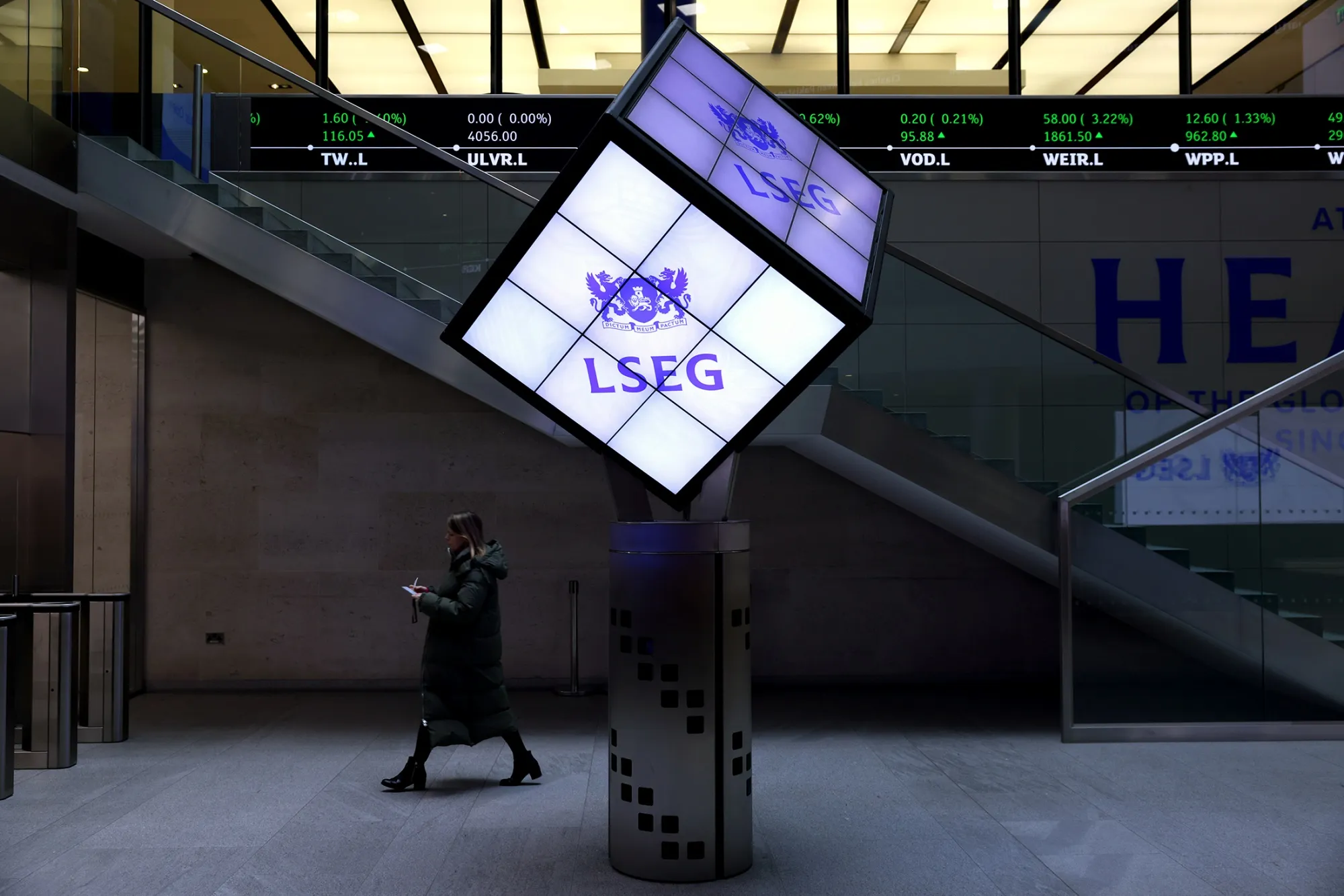
The global markets have spent the day reacting to these converging forces with a mix of volatility and cautious optimism. Ongoing tensions in the Middle East have kept oil prices elevated, acting as a persistent drag on the broader economy and contributing to inflationary pressures. Yet, despite the geopolitical instability, the technology sector has shown remarkable resilience. Tech stocks displayed signs of a robust recovery throughout the day’s trading, buoyed by the massive valuations in AI and the prospect of a SpaceX IPO. Investors appear to be looking past immediate regional conflicts, placing their bets instead on the transformative power of innovation. As the day drew to a close, the narrative of April 1, 2026, remained one of a world in a high-speed chase with its own potential, navigating the delicate balance between the limitations of the physical earth and the limitless possibilities of the digital and celestial frontiers.