Boston - The landscape of global technology underwent a seismic shift on Tuesday as the latest briefing from Bloomberg Technology, hosted by Matt Miller, detailed a series of massive capital infusions and strategic pivots that are redefining the future of silicon, defense, and human health. In a day marked by multi-billion-dollar maneuvers, the overarching theme was clear: the world is no longer just dreaming of an AI-integrated future but is aggressively financing the physical infrastructure required to sustain it.
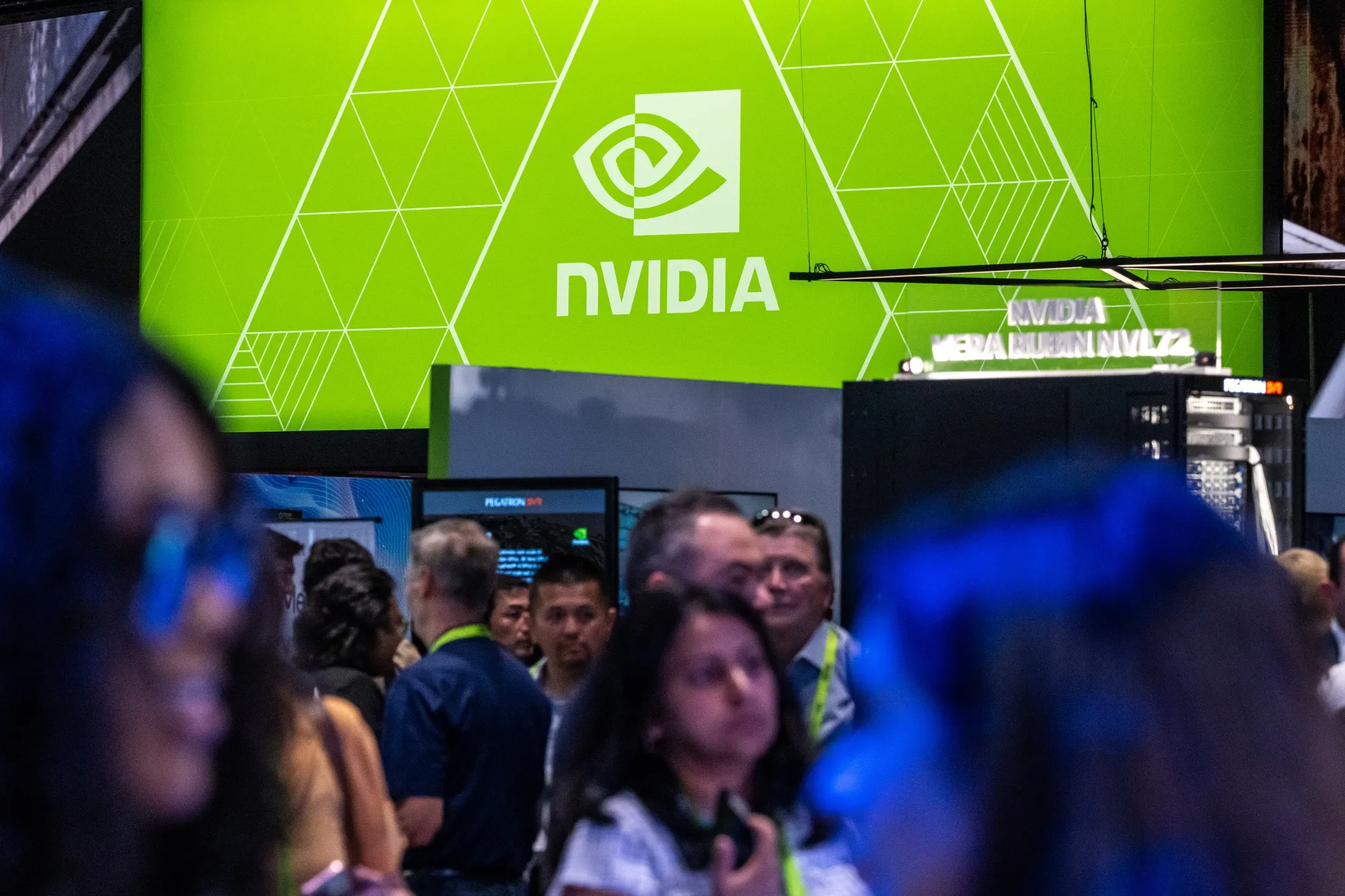
At the epicenter of this shift is the burgeoning partnership between Nvidia and Marvell. Nvidia, the reigning titan of the AI era, has committed $2 billion to Marvell in high stakes play for silicon photonics dominance. This investment is specifically aimed at solving the "interconnect bottleneck" that currently plagues modern data centers. By leveraging light-based data transmission over traditional electrical signals, the collaboration aims to drastically improve data center efficiency and chip-to-chip communication speeds. This move signals that the next phase of the AI arms race will be won not just by faster processors, but by the physical conduits through which data travels.
Parallel to this technical evolution is a financial phenomenon termed the "AI debt binge." CoreWeave, a specialized cloud provider that has become a darling of the generative AI movement, recently secured a staggering $8.5 billion in loans. This represents the largest chip-backed debt facility of its kind, primarily intended to expand the company’s NeoCloud capacity. The scale of this borrowing underscores the insatiable demand for GPU-accelerated computing power, even as traditional market analysts express caution regarding the long-term sustainability of such massive leverage.
However, the sector is not without its casualties and controversies. Super Micro, once a high-flyer in the server market, is now facing intense investor scrutiny following a series of self-inflicted setbacks. The recent indictment of its co-founder has cast a shadow over the company's governance, leading to a volatile period for its stock as stakeholders demand greater transparency and a restructuring of internal leadership. Similarly, the social media landscape is seeing renewed pressure from activist investors. Irenic Capital Management has officially taken a position in Snap, the parent company of Snapchat, with the intent of forcing operational changes. The push aims to mend Snap’s financial performance and regain lost ground in an increasingly competitive digital advertising market.

The reach of technology has also extended deeply into the modern theater of war. In a move reflecting the "re-industrialization" of the West, Carlyle is reportedly in the process of establishing a new defense-focused fund. This capital is intended to rebuild the industrial base and support emerging military technologies. This trend was further validated by the explosive growth of Saronic, a manufacturer of autonomous military drone boats. Saronic recently closed a $1.75 billion Series D funding round, propelling its valuation to $9.25 billion. As maritime gaps become more apparent in global security, the infusion of capital into autonomous naval platforms highlights a pivot toward unmanned, high-tech defense systems.
These military shifts are occurring against a backdrop of heightening geopolitical tension. The ongoing conflict in Iran continues to exert significant pressure on global markets, specifically regarding oil prices and trade stability. The uncertainty in the Middle East has forced technology firms to reassess their supply chains and energy costs, adding a layer of complexity to an already volatile economic environment.
While some look toward the seas for security, NASA is looking toward the stars. Preparations for the Artemis 2 mission have entered a critical phase, marking a historic milestone for American space ambitions. As the agency pivots from orbital research to the establishment of permanent lunar bases, the technological requirements for life support and deep-space communication are creating a new secondary market for private aerospace contractors. The moon is no longer seen as a destination for a flag-planting ceremony, but as a strategic outpost for the future of resource extraction and interplanetary travel.
Back on Earth, the convergence of technology and personal well-being reached a new peak with the latest announcement from Whoop. CEO Will Ahmed detailed the company’s recent $575 million Series G round, which has pushed Whoop’s valuation to a commanding $10.1 billion. The company is aggressively moving away from simple fitness tracking and toward clinical-grade health monitoring. By integrating advanced sensors that can detect early signs of illness or chronic conditions, Whoop is positioning itself as a vital component of the modern healthcare ecosystem, bridging the gap between consumer wearables and medical diagnostics.
Innovation in mobility also saw a major breakthrough with a Rivian-affiliated startup. An electric bike venture spun out of the EV giant has officially reached a $1 billion "unicorn" valuation. Beyond consumer sales, the startup has forged a strategic partnership with DoorDash to deploy autonomous delivery solutions. This collaboration suggests that the future of the "last-mile" delivery economy may lie in autonomous, light-electric vehicles rather than traditional gas-powered fleets.
From the microscopic level of silicon photonics to the macroscopic scale of lunar missions, the events of March 31, 2026, illustrate a world in the midst of a profound technological overhaul. Whether through the massive debt fueling AI cloud expansion or the autonomous boats securing the world's oceans, the fusion of capital and cutting-edge engineering continues to accelerate at a pace that is as unpredictable as it is transformative.