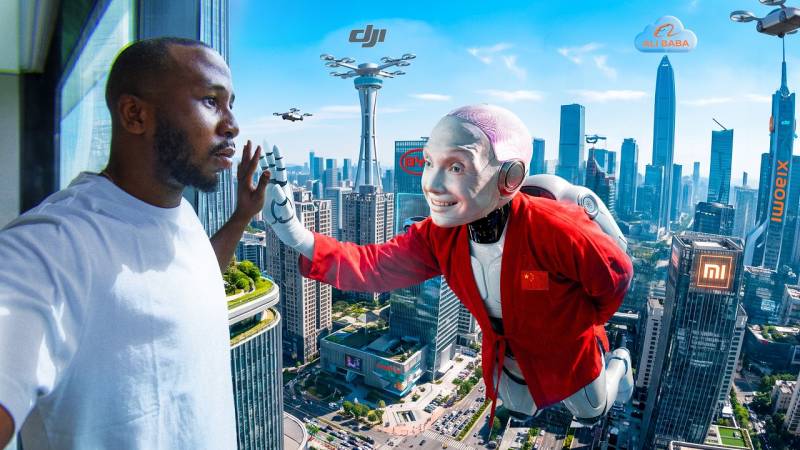
Seoul is world-famous for its high-tech infrastructure and global cultural exports, yet behind the city’s vibrant facade lies a stark architectural reality that Drew Binsky uncovers in the sources: the proliferation of ultra-compact "Goshiwons." Binsky, who previously lived in Korea for two years teaching English, returns to the city to document how 150,000 residents inhabit spaces often no larger than a jail cell, noting that even his own previous studio was small enough that a single lever controlled both the sink and the shower. Throughout the investigation, Binsky highlights that while these units are "insanely small," they serve as a critical survival mechanism for residents like Sang-woo, who pays just $250 a month for a room in a commercial building where the alleyways are barely two feet wide.,. Despite the lack of an exterior window—which makes the room cheaper but also a potential fire hazard—Sang-woo utilizes the unlimited ramyeon, rice, and kimchi provided by the building to aggressively save money for stock investments, targeting a $70,000 savings goal.
The economic pressure driving this trend is staggering, as the sources reveal that a typical three-bedroom apartment in Seoul now costs between $600,000 and 1million. With the average pretax monthly income for a Korean individual sitting at approximately 2,700, a standard rental in a prime area like Gangnam can consume nearly half of a worker's take-home pay
Related article - Uphorial Shopify
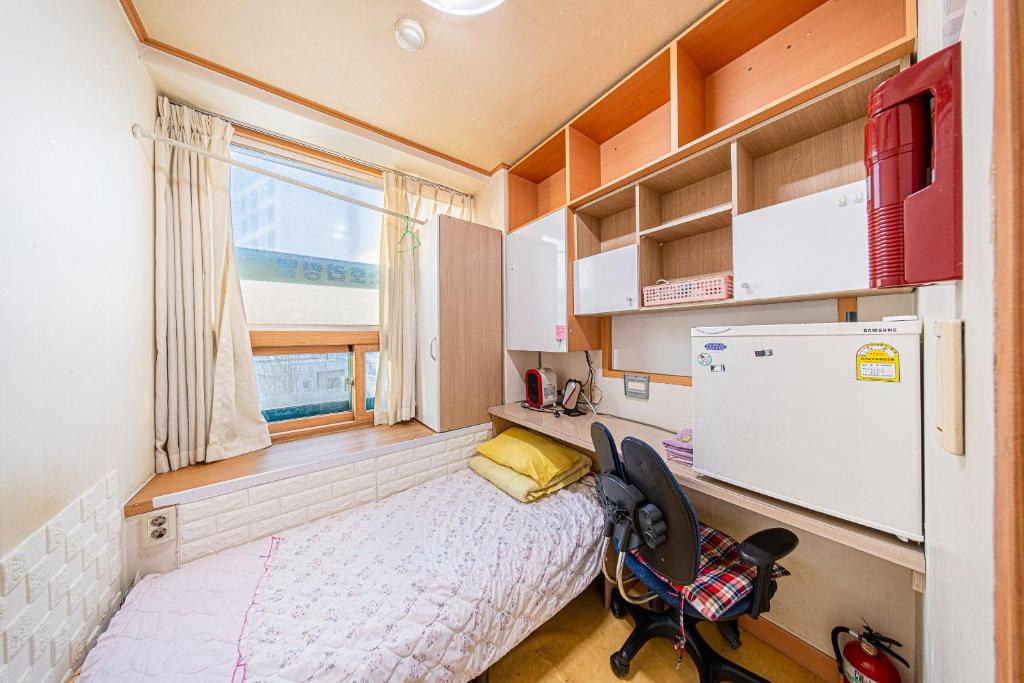
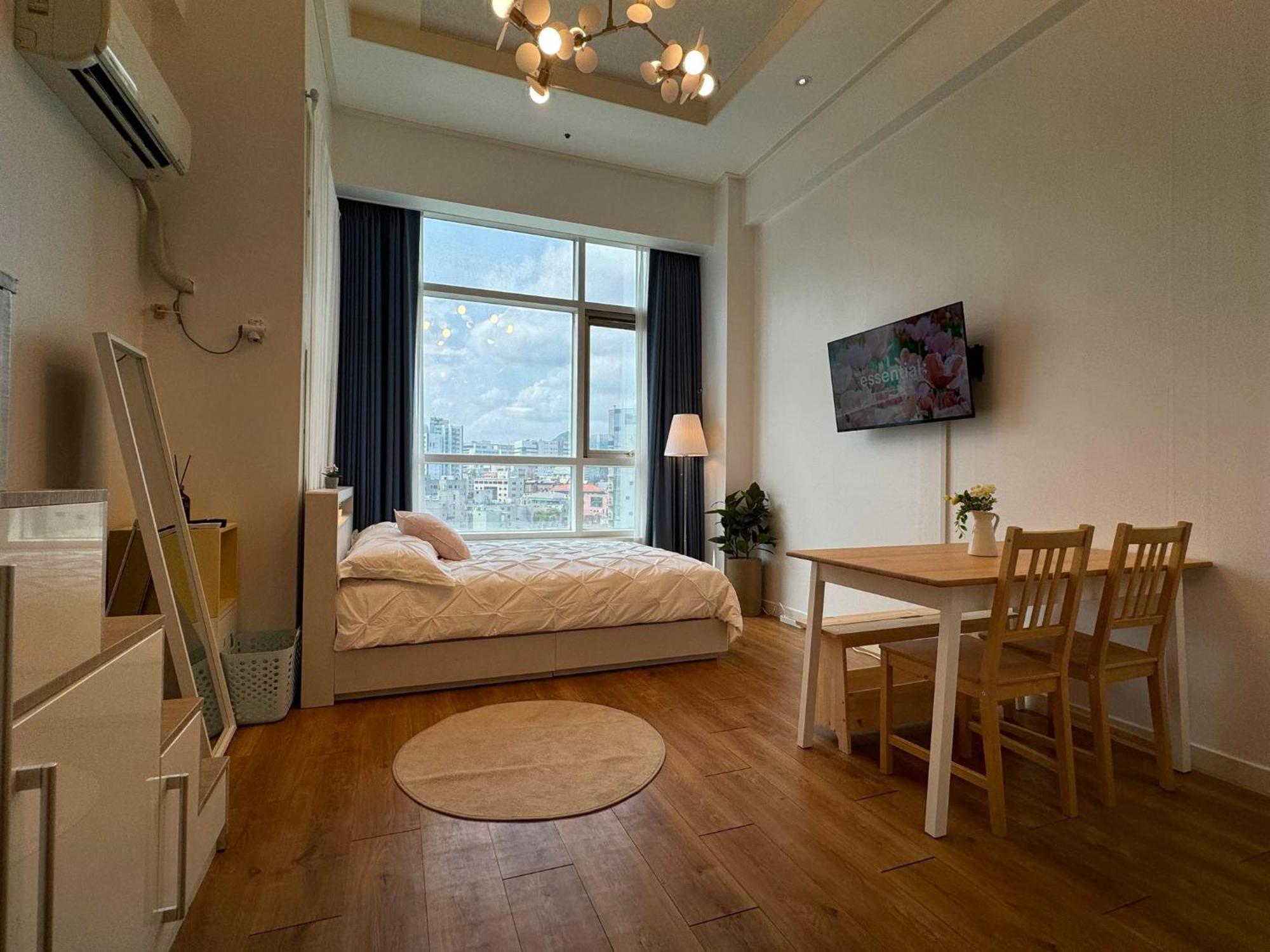
This disparity has created what some call a population crisis; as Binsky’s guide Jimmy explains, the younger generation does not lack the desire for family, but they simply cannot afford the stable, spacious homes required to raise children. Even Binsky’s own reaction to the smallest units—feeling "speechless" and "claustrophobic" after only five minutes—underscores the psychological toll of living in a 9-square-meter space where the bathroom door cannot even open fully.
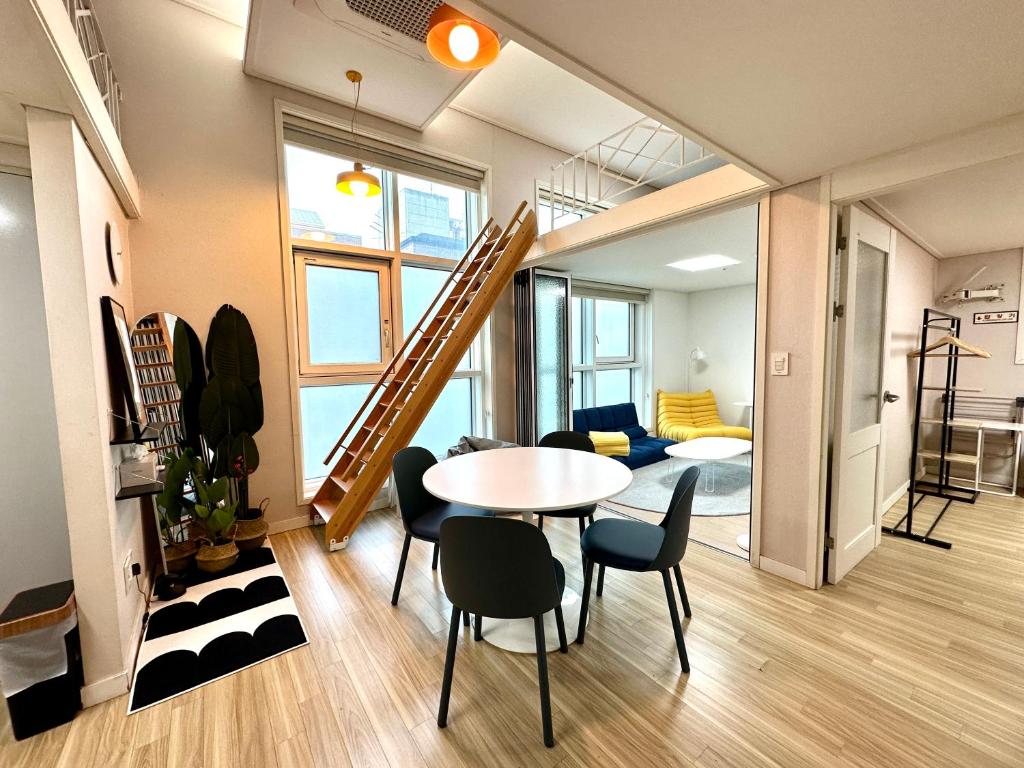
The investigation also leads Binsky to the absolute fringes of Seoul’s housing crisis at Seoul Station, which houses the city's highest homeless population. Here, he meets a resident who has lived in a makeshift shack directly next to a roaring highway for 20 years, describing the interior as a "steam sauna" that traps intense summer heat. While South Korea maintains one of the world's richest economies, experts in the sources suggest that homelessness often persists due to a combination of financial distress and mental health challenges that prevent individuals from accessing the country's decent welfare system. These extreme conditions serve as a somber contrast to the middle-class "officiates" Binsky visits, such as a professional Twitch streamer's unit that costs roughly $1,200 per month. While these mid-tier apartments offer modern luxuries like wall-integrated storage, they still require residents to "stay skinny" to navigate the tight quarters.
Ultimately, the spectrum of housing in Seoul represents a "whole different world" defined by resilient survival. From the "treasure box" of unlimited ramen in a Goshiwon kitchen to the high-pressure lifestyle of Gangnam corporate workers, Binsky argues that the true essence of Korea is found by looking closer at the everyday lives unfolding behind these tiny doors.
Although the physical constraints of these homes are "truly heartbreaking," the positive and determined attitude of the residents remains a powerful testament to their ability to adapt to an increasingly unaffordable urban landscape.