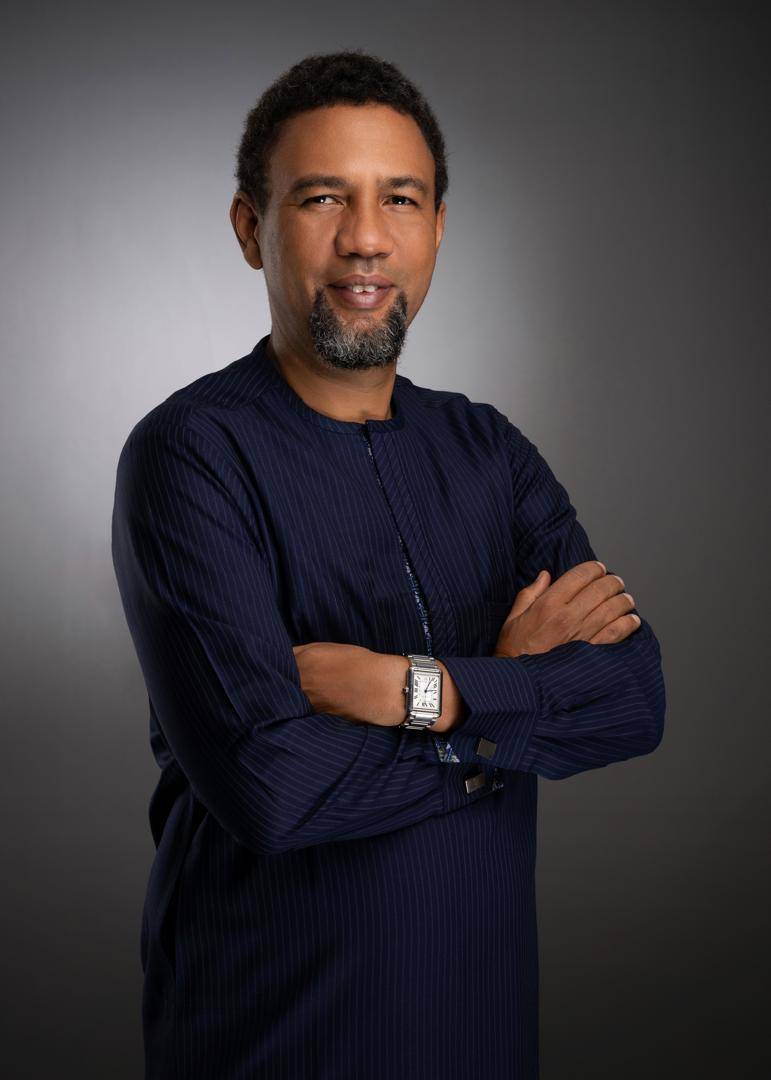
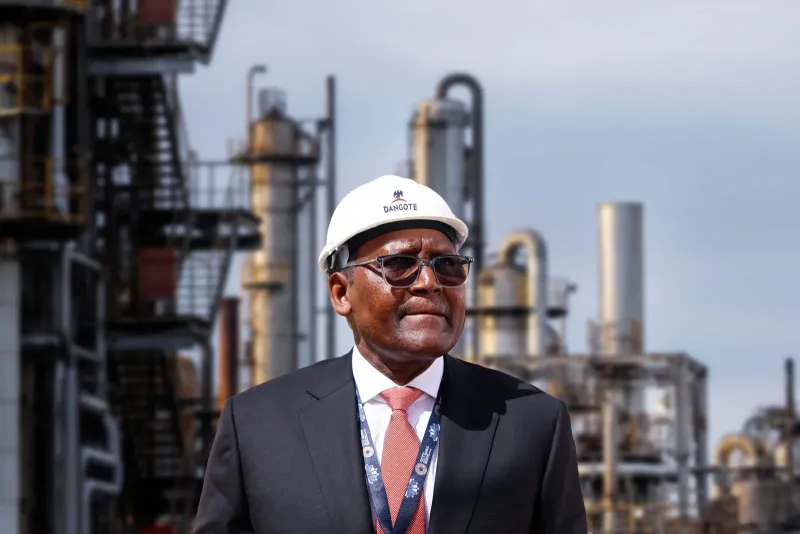
LAGOS – In a comprehensive dialogue reflecting a new era of continental self-reliance, IFC Managing Director Makhtar Diop and industrialist Aliko Dangote have outlined a strategic blueprint for Africa’s economic trajectory, centered on the principle of African-led investment. The report emerging from their conversation serves as a definitive analysis of how internal industrialization can act as a catalyst for a broader African renaissance, moving the continent away from its historical role as a primary resource exporter toward becoming a global hub for refined goods and domestic wealth creation. By addressing systemic logistical barriers and the critical intersection of infrastructure and agriculture, the discussion provides a roadmap for long-term, sustainable development that prioritizes the economic dignity of the African population.
A central pillar of this vision is the formation of the African Renaissance Group, an initiative discussed by Dangote as a necessary response to the fragmented nature of the continent’s markets. The report highlights a stark reality: the free movement of people and goods across Africa remains stifled by an intricate web of bureaucratic roadblocks. Dangote noted that the current difficulty of inter-African travel and trade—driven by restrictive visa policies and inefficient logistics—represents one of the greatest hindrances to regional growth. The African Renaissance Group aims to dismantle these barriers, advocating for a borderless economic environment where the continent’s 1.4 billion people can trade as a single, unified market. Without this integration, the report suggests, the scale required for massive industrial success will remain elusive.
The most tangible symbol of this shift toward self-sufficiency is the Dangote Refinery, which represents a fundamental pivot in how African nations manage their natural wealth. For decades, the continent has operated on an "export-import" model, sending raw materials abroad only to buy back the finished products at a premium. The refinery project challenges this status quo by processing petroleum products locally, ensuring that the value-added benefits—and the associated jobs—remain within Africa. This philosophy extends beyond fuel to include fertilizers and power generation, creating a self-sustaining industrial loop that reduces the continent's vulnerability to global supply chain shocks and currency fluctuations. The move toward self-sufficiency is presented not just as a business objective, but as a matter of regional security.

Related article - Uphorial Shopify
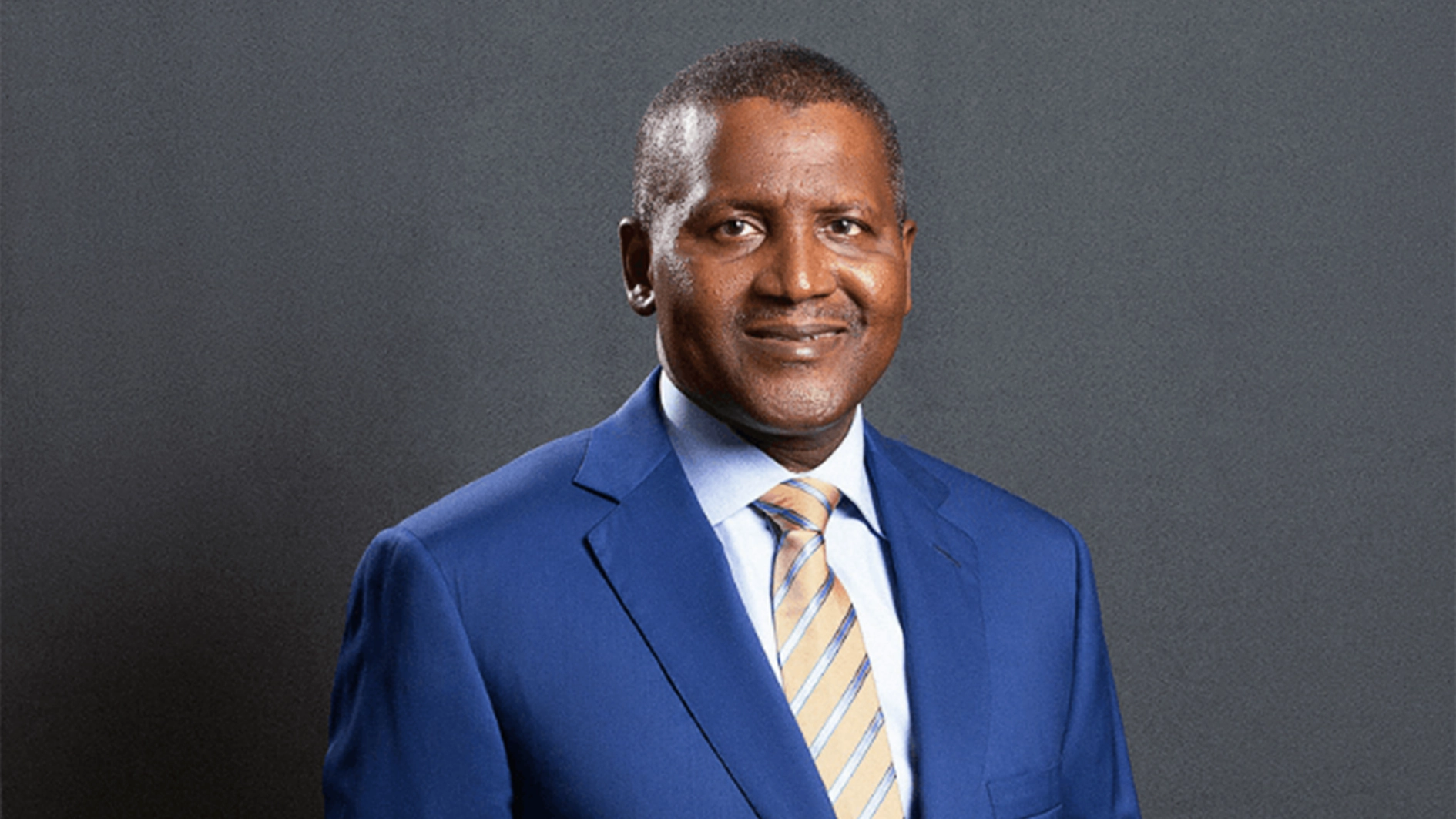
This industrial growth is being designed with an inclusive investment strategy intended to democratize wealth across the continent. Dangote outlined a specific goal to list his major companies on public exchanges, a move that would allow ordinary African citizens to become shareholders. By providing a platform for individuals to invest in their own continent's infrastructure, Dangote aims to foster a system where dividends—often paid in stable currencies like the dollar—stay within Africa rather than flowing to offshore entities. This approach is intended to build a new generation of business leaders and create a sense of ownership among the populace, ensuring that the fruits of industrialization are shared by more than just a narrow elite.
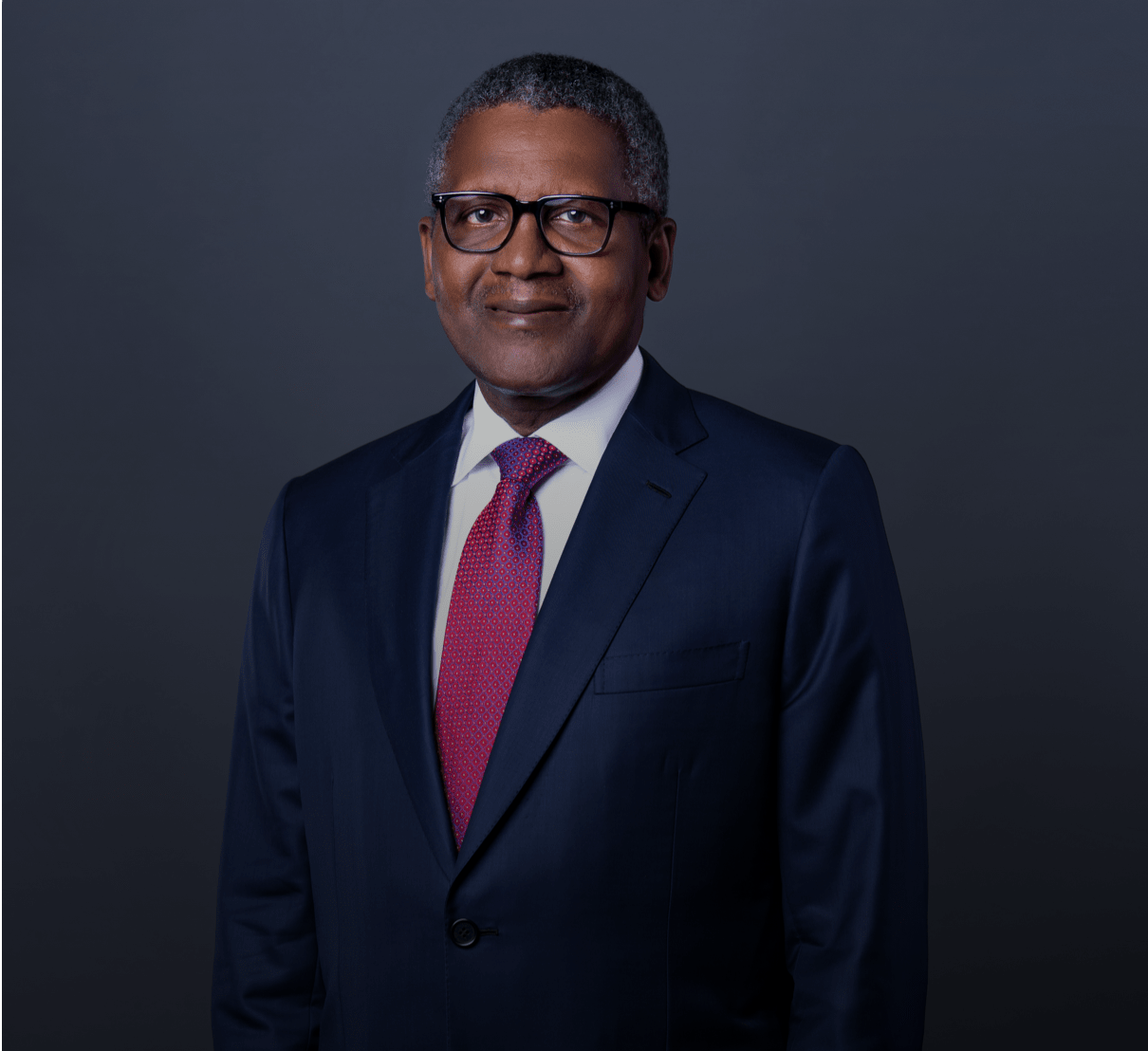
Furthermore, the report identifies the critical link between heavy industry and the foundational sectors of water and agriculture. Recognizing that massive infrastructure projects, such as cement plants and refineries, are incredibly water-intensive, Dangote highlighted the urgent need for the rehabilitation of mini-dams across Nigeria. This initiative is designed to solve a dual problem: providing the necessary resources for industrial cooling and processing while simultaneously supporting year-round irrigation for local farmers. By increasing agricultural productivity through better water management, the project seeks to create a surge in rural employment, which is viewed as a primary tool for reducing poverty and, consequently, mitigating the regional conflicts often driven by economic desperation.
The success of these ambitious projects is framed within the context of strategic global partnerships, specifically the long-standing relationship between African industrialists and the International Finance Corporation (IFC). Throughout the dialogue, Dangote credited the IFC and the World Bank not merely for providing the necessary capital, but for their role as advisory partners. These institutions have been instrumental in ensuring that large-scale industrial projects adhere to the highest social and environmental standards, a factor that is increasingly critical for attracting long-term international interest. This partnership model demonstrates that for Africa to industrialize successfully, it must combine domestic risk-taking and local knowledge with the technical rigor of global financial institutions.
The conversation concluded with a mutual commitment to continue taking calculated risks in the pursuit of African industrialization. The report suggests that the "African Renaissance" is no longer a distant aspiration but an active project currently being built through steel, concrete, and refined oil. As the continent continues to process its own resources and remove the barriers to internal trade, it is positioning itself to be a leader in the global economy. The partnership between visionary local leaders and international financial organizations remains the engine of this transformation, proving that with the right strategy and a commitment to self-sufficiency, Africa can secure its own economic destiny.