California - The soaring ambitions of the Silicon Valley and the grounding realities of orbital mechanics, the latest developments across the technology landscape have signaled a pivotal shift in how the world’s most powerful corporations are bracing for the next decade. From the glittering desert of Las Vegas to the launchpads of Florida, the intersection of artificial intelligence, aerospace, and global finance is creating a volatile yet high-stakes environment where every breakthrough is balanced against geopolitical instability and infrastructure challenges.
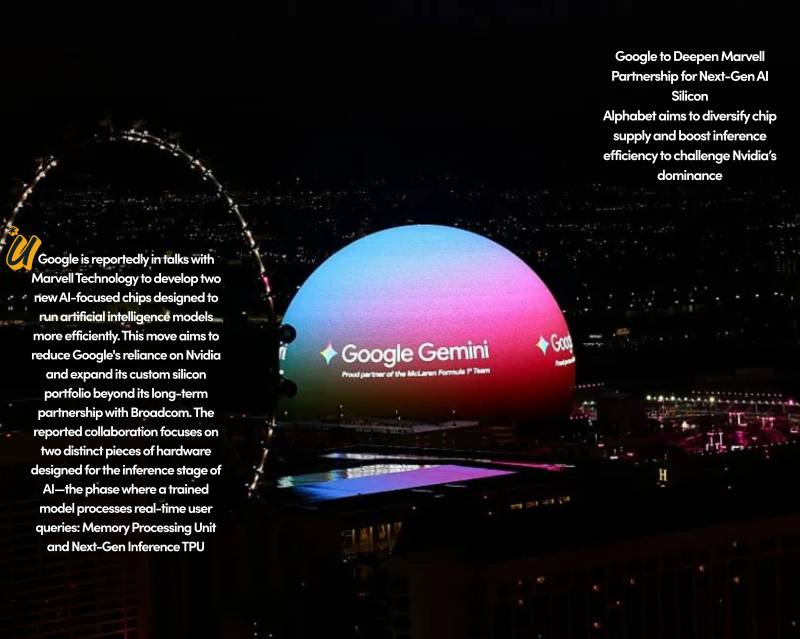
The pulse of the industry was felt most acutely in the semiconductor space, where Google is reportedly preparing to tighten its grip on the hardware that powers the modern web. Industry sources indicate that the search giant is poised to unveil its next generation of Tensor Processing Units (TPUs) at a high-profile event in Las Vegas. While previous iterations of these chips were celebrated for their training capabilities, the new generation is expected to pivot sharply toward inference workloads—the actual execution of AI tasks by end-users. This strategic shift suggests that Google is preparing for a world where AI is no longer just being built but is being deployed at a scale that requires unprecedented efficiency. To bolster this custom silicon ecosystem, rumors of a deepened collaboration with Marvell have intensified, highlighting a broader industry trend where tech titans are bypassing traditional chipmakers to build bespoke infrastructure tailored to their specific algorithmic needs.
However, the path to technological dominance is rarely linear, as evidenced by a mixed-result mission from Jeff Bezos’s Blue Origin. In a display of technical brilliance marred by orbital heartbreak, the New Glenn rocket successfully demonstrated its reusable booster technology by sticking a precision landing. Yet, the victory was hollow for its client, AST SpaceMobile, as the mission failed to deliver its satellite payload into the correct orbit. The setback comes at a sensitive time for Blue Origin. CEO Dave Limp has recently signaled a major strategic realignment, moving away from the high-profile spectacles of space tourism to focus on the company’s lunar program. This pivot toward the Moon represents a shift from entertainment to infrastructure, as the company seeks to become a primary contractor for the next era of human lunar exploration, even as it grapples with the technical "teething" issues inherent in heavy-lift rocketry.
The financial appetite for AI remains insatiable, as evidenced by Cerebras Systems filing for a massive U.S. initial public offering. Aiming to raise approximately $2 billion, Cerebras is positioning itself as a formidable challenger to NVIDIA’s dominance in the AI hardware space. The filing serves as a litmus test for the IPO market, which has been stagnant for much of the past two years. While investor interest in AI infrastructure is currently at a fever pitch, analysts have raised red flags regarding the company’s customer concentration. The reliance on a small handful of major clients for the bulk of its revenue presents a risk profile that will test whether Wall Street’s love affair with AI can overcome traditional concerns about long-term fiscal stability.
Meanwhile, in Cupertino, the world is watching Apple as it prepares to reclaim its status as an innovator in the consumer AI space. Following a series of teasers ahead of the Worldwide Developers Conference (WWDC), Bloomberg’s Mark Gurman has shed light on a comprehensive overhaul of Siri. The voice assistant, which many critics argued had fallen behind competitors, is expected to debut a new, AI-integrated interface characterized by a distinct glowing design. More importantly, the update is rumored to transform Siri from a simple command-response tool into a standalone chatbot capable of sophisticated reasoning. This move signifies Apple’s intent to weave "Apple Intelligence" into the very fabric of its operating systems, ensuring that AI is a seamless utility rather than a bolted-on feature.
Yet, even as these corporate narratives unfold, they do so against a backdrop of global uncertainty. The NASDAQ 100 recently saw its impressive 13-day winning streak come to an abrupt halt, a reminder that the tech sector does not operate in a vacuum. Market sentiment was dampened not by earnings reports, but by the shifting sands of Middle Eastern geopolitics. As ceasefire negotiations fluctuate, the resulting tension has injected a dose of caution into the markets, tempering the euphoria surrounding AI advancements. The current landscape serves as a stark reminder that while the future is being built in the lab and the data center, its success remains tethered to the stability of the world at large. As these companies navigate the complexities of 2026, the divide between those who can build the infrastructure and those who can navigate the global risk will likely define the winners of the next industrial revolution.