JEDDAH ---- The cultural and geographical landscape of Saudi Arabia has long been a subject of fascination for the international community, but a new report through the lens of London-based photographer Holly-Marie Cato offers a fresh, intimate perspective on a nation in the midst of a profound transformation. Traveling across the Kingdom’s diverse regions, Cato sought to document more than just the physical beauty of the land; she embarked on a mission to capture the "human thread" that connects the country’s ancient landmarks with its ambitious, modern future. Her journey serves as a visual narrative of a land where legendary hospitality and high-tech innovation exist in a unique, symbiotic balance.
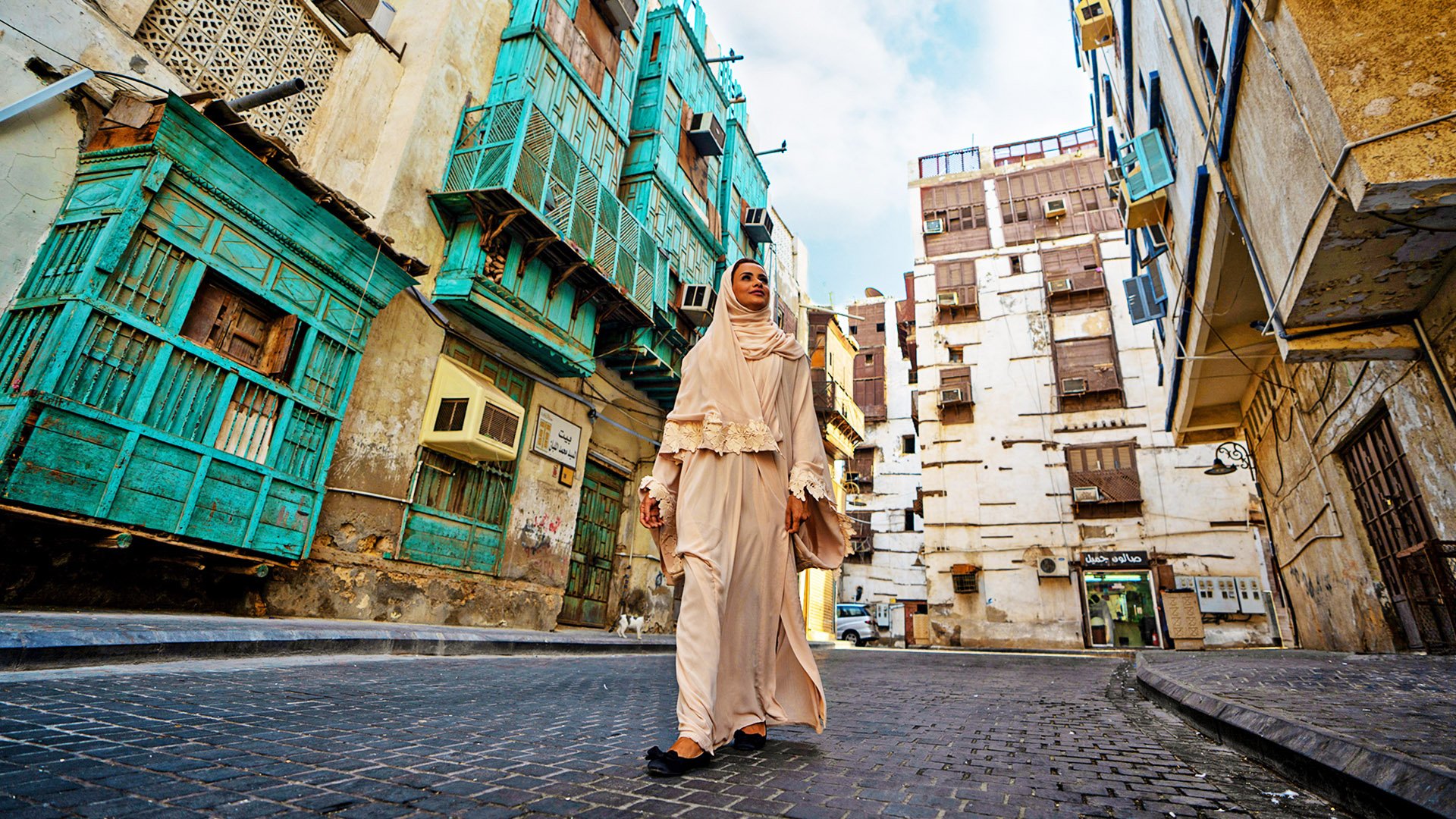
The expedition began in the historic port city of Jeddah, a location that serves as the symbolic gateway to the Kingdom and a designated UNESCO World Heritage site. For a photographer interested in the intersection of history and daily life, Jeddah provided a rich tapestry of textures and movements. Cato spent her time navigating the labyrinthine alleys of the Al-Balad district, where the scent of spices and the sound of trade have remained constant for centuries. A significant portion of her work in the city focused on the preservation of heritage, specifically through meetings with local artisans. She documented the meticulous work of craftsmen dedicated to reviving traditional wood-turning techniques, capturing the precision and patience required to maintain the architectural identity of the region. However, the report also highlights a modern shift in the city’s energy, as Cato engaged with Jeddah’s burgeoning running and social culture, finding a community that is as active and forward-looking as it is rooted in tradition.
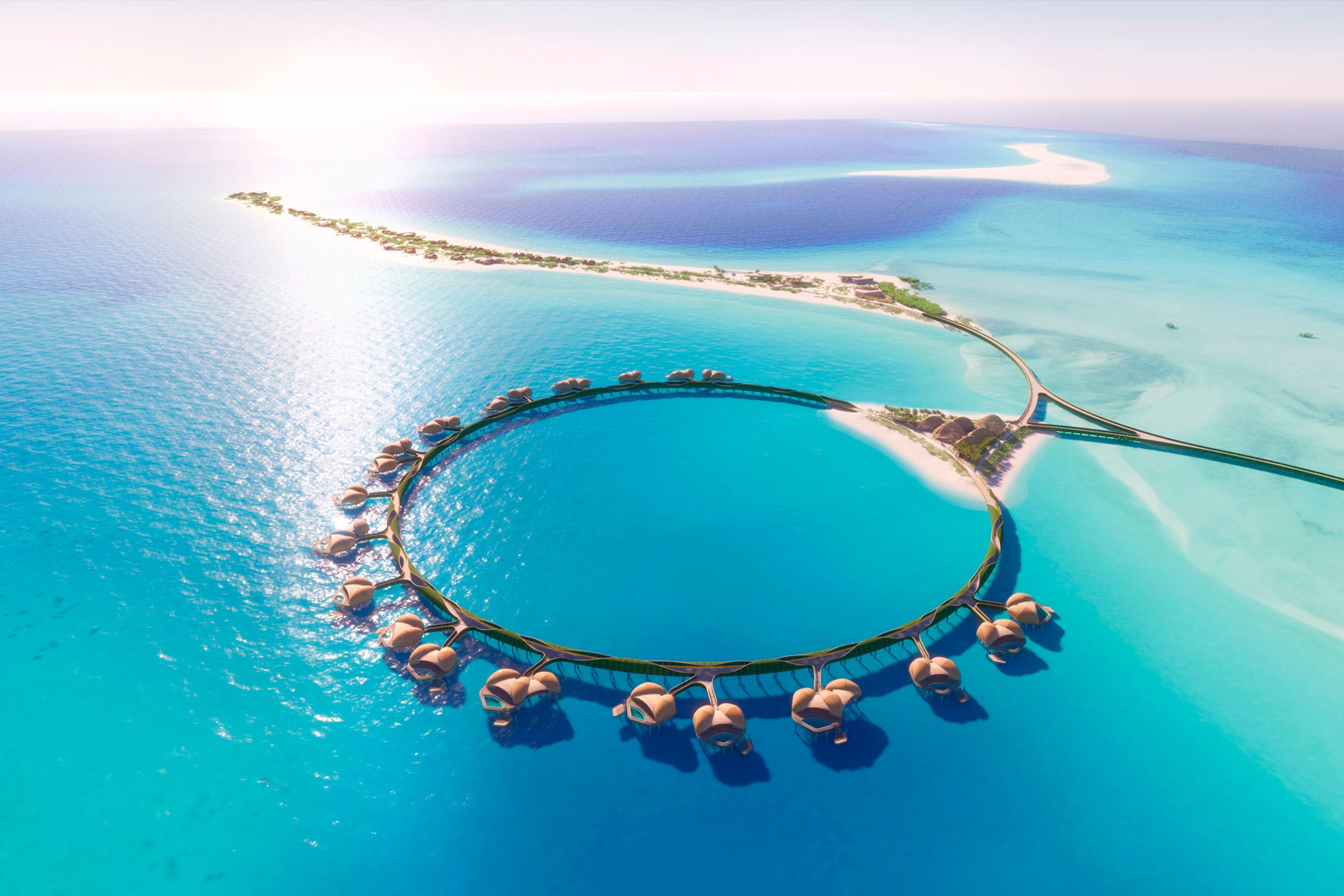
Leaving the urban sprawl of the Red Sea coast, Cato transitioned from the heat of the markets to the crystalline depths of the sea itself. At the luxury destination of Najuma, the focus of the journey shifted toward the Kingdom’s environmental treasures. Eschewing the barrier of heavy equipment, Cato practiced free-diving to photograph the underwater world of the Red Sea. Her images from this leg of the trip depict a vibrant, well-preserved ecosystem of coral reefs and marine life that few outsiders have had the privilege to witness. She described the experience as a "magical encounter," a silent world where the light filters through the water to reveal a spectrum of colors that challenge the stereotypical image of the Arabian Peninsula as a purely arid landscape. This segment of her report underscores Saudi Arabia’s commitment to sustainable luxury and the protection of its natural resources.
Related article - Uphorial Shopify
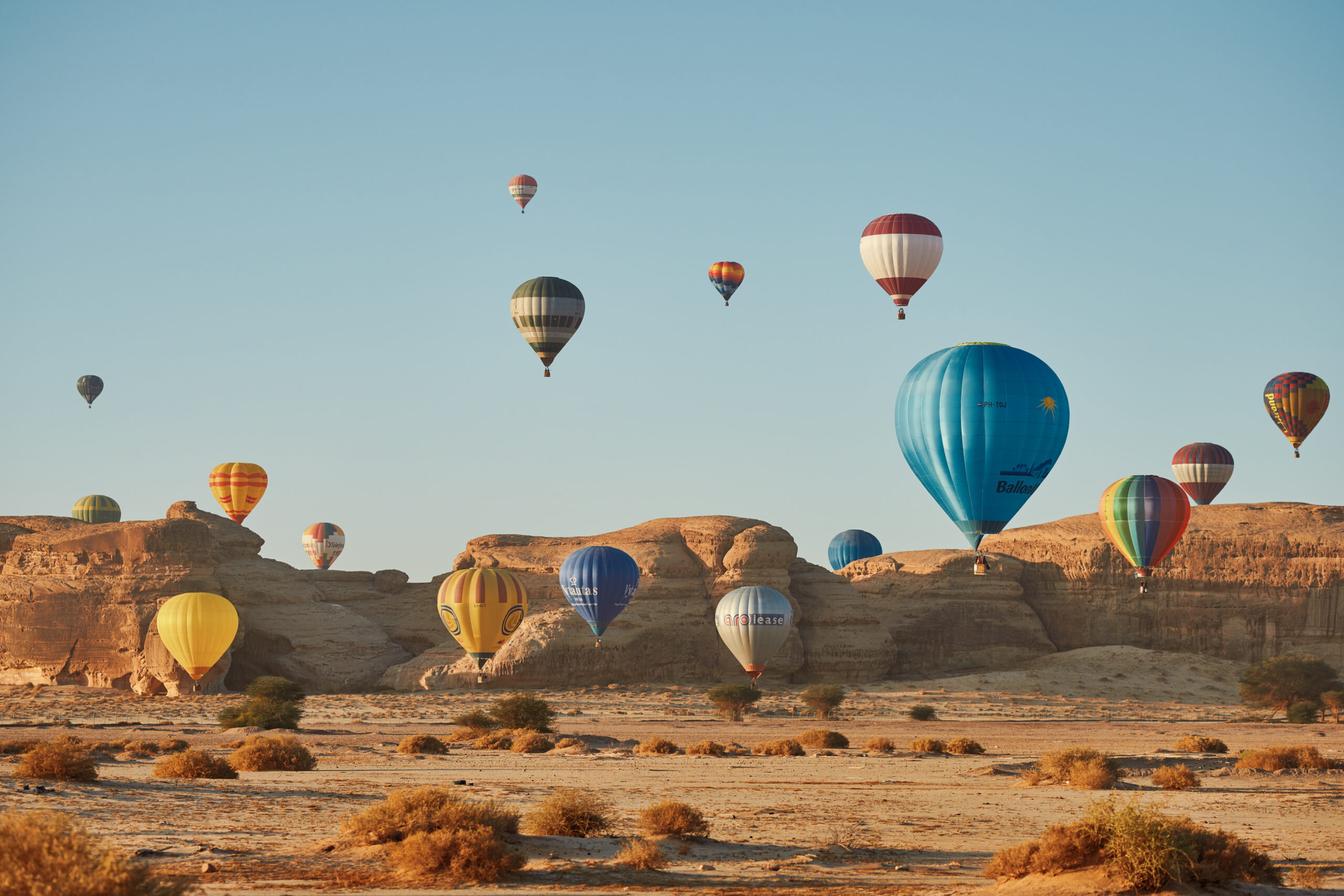
The narrative then moved inland toward the desert province of AlUla, perhaps the most iconic stop on her itinerary. Here, Cato explored the ancient site of Hegra, Saudi Arabia’s first UNESCO World Heritage site. Her photography at this location focused on the ingenuity of the Nabataean civilization, capturing the grand scale and intricate detail of tombs carved directly into massive sandstone outcrops. Yet, AlUla also provided the perfect backdrop for the Kingdom’s modern architectural ambitions. Cato visited the Maraya Concert Hall, a structure wrapped in over nine thousand square meters of mirrors that reflect the surrounding desert, effectively turning the building into a shimmering mirage. The juxtaposition of the thousand-year-old Hegra with the sleek, reflective Maraya served as a central theme in her work. The AlUla experience concluded under a canopy of stars, where she documented a night of stargazing alongside a local astronomer, illustrating how the ancient desert sky continues to guide and inspire the modern Saudi identity.

The final leg of the journey took place in the capital city of Riyadh, where the pace of life accelerated once more. In the heart of the metropolis, Cato focused her lens on the soaring skyscrapers and bold modern architecture that define the city’s skyline, a testament to the "Vision 2030" initiative that is reshaping the nation’s economy. However, the report remained anchored in history with a final visit to the nearby site of Diriyah. Known as the birthplace of the Saudi state, Diriyah’s traditional mud-brick construction provided a stark, beautiful contrast to the glass and steel of central Riyadh. By photographing these two locations in tandem, Cato managed to illustrate the Kingdom’s core philosophy: a relentless drive toward the future that refuses to abandon the physical remnants of its origin story.
The journey reached its conclusion not with a departure, but with an exhibition. In a gesture of reciprocity, Holly-Marie Cato printed and shared her photographs with the very people she had documented. This final act of the trip served as a celebration of the connections made across thousands of miles. Her reflections on the experience focused heavily on the warmth of the Saudi people, whose hospitality proved to be the most consistent element of her travels. Cato’s report concludes that Saudi Arabia is a country that defies easy categorization, existing instead as a complex, beautiful blend of ancient history and breathtaking innovation. Through her photography, she has provided a bridge for the world to see a nation that is opening its doors and inviting the global community to witness its evolution firsthand.