ASMARA ERITREA - In a rare and unfiltered look at one of the world's most reclusive nations, travel documentarian Wode Maya has challenged the long-standing "North Korea of Africa" label frequently applied to Eritrea. His journey through the East African state reveals a country of intense contradictions, where strict government control and a lack of modern digital infrastructure coexist with a level of public safety and social cohesion that is virtually unmatched on the continent.
The capital city of Asmara serves as a living museum, described as being "frozen in time." The streets are lined with impeccably preserved 1930s Italian colonial architecture, a remnant of a complex past that now defines the city’s unique aesthetic. Because most citizens do not have internet access on their mobile devices, the social fabric of Asmara remains rooted in face-to-face interaction. The lack of digital distraction has fostered a vibrant café culture and a lifestyle centered on walking and communal socializing, creating an atmosphere of nostalgic tranquility that contrasts sharply with the high-speed connectivity of neighboring nations.
Related article - Uphorial Shopify
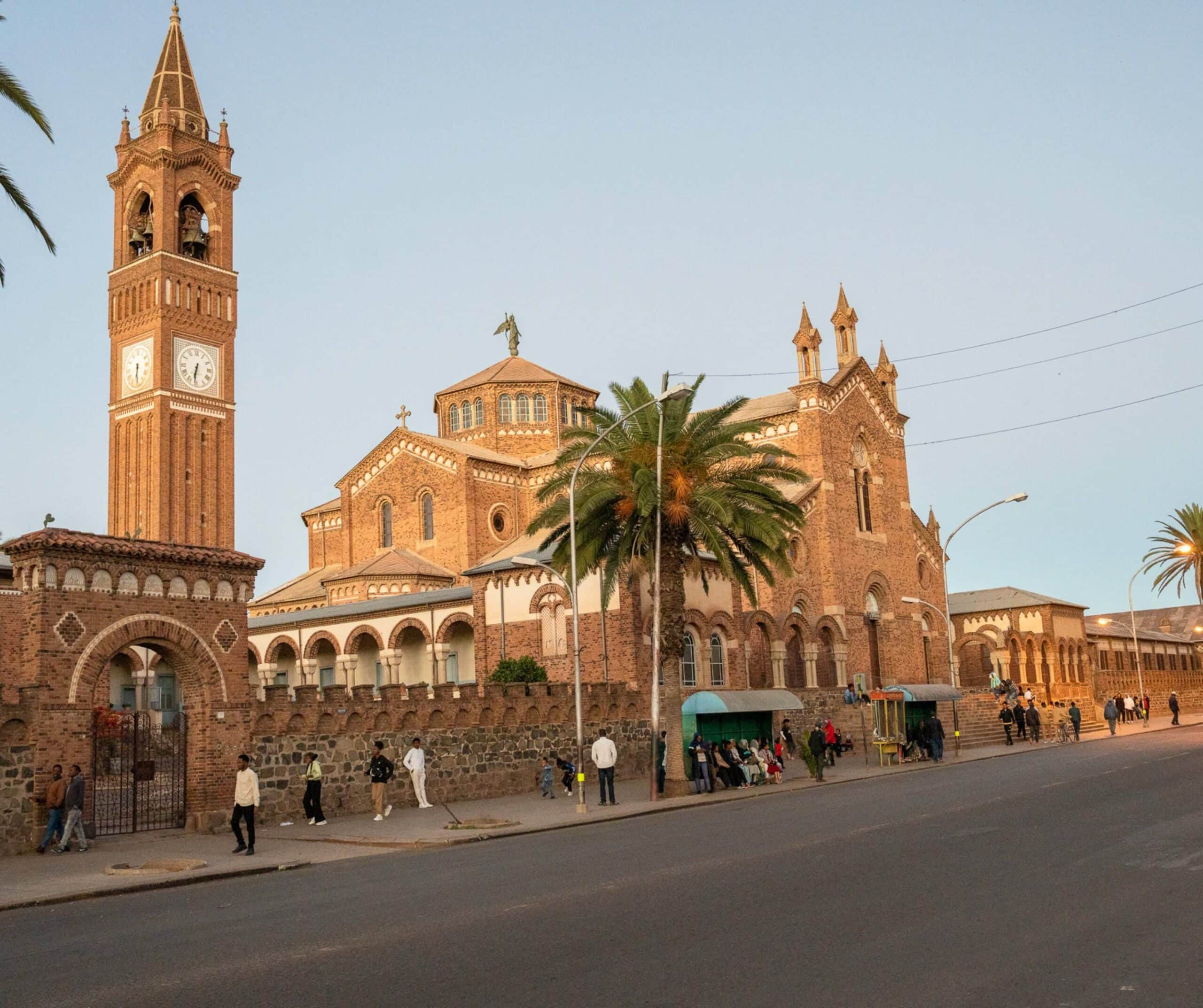

Safety remains the country's most startling feature for outsiders. Wode Maya documented a reality where the crime rate is virtually zero, observing children and adults walking freely and securely at all hours of the night. This pervasive sense of security is framed against a backdrop of rigid state structure; Eritrea maintains a policy of indefinite national service for its citizens, and internal travel is strictly regulated. Foreigners and locals alike must obtain government-issued permits, costing roughly $3 per destination, to move between cities. Furthermore, the economy remains entirely cash-based, with a total absence of ATMs requiring visitors to carry USD, Euros, or Pounds for manual exchange.
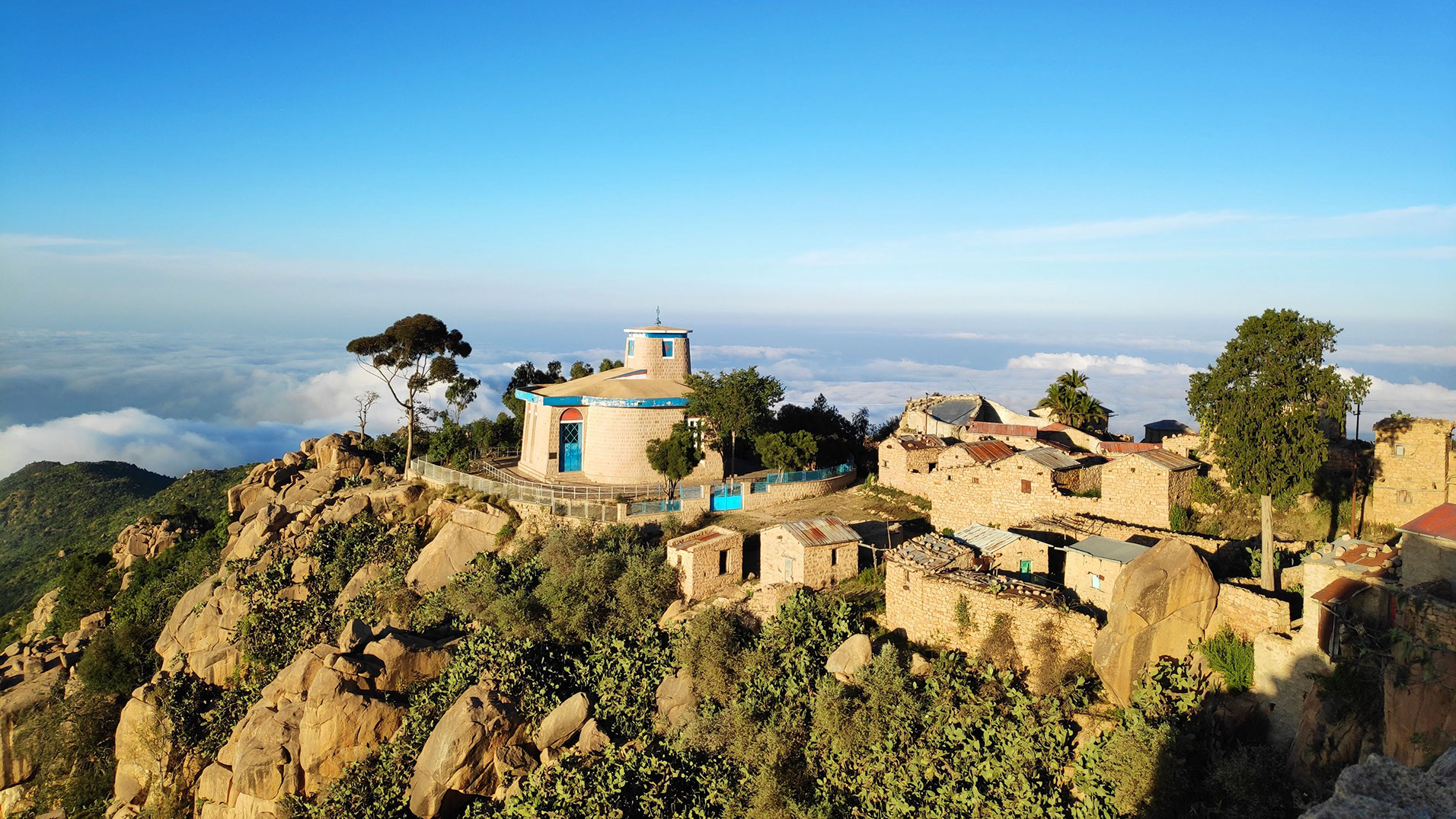
The documentary also tracks the journey from the highlands to the coastal city of Massawa. This transit reveals the scars of 20th-century conflict, including the rusted hulls of Italian ships sunk in the Red Sea during World War II. Massawa itself is characterized by intense heat and stunning seaside vistas, offering a starkly different climate and culinary scene focused on fresh seafood. While the logistical hurdles of permits and the lack of internet present significant challenges, the report highlights an underlying reality of extreme hospitality and a preserved cultural identity that defies the international community’s standard narrative of isolation.