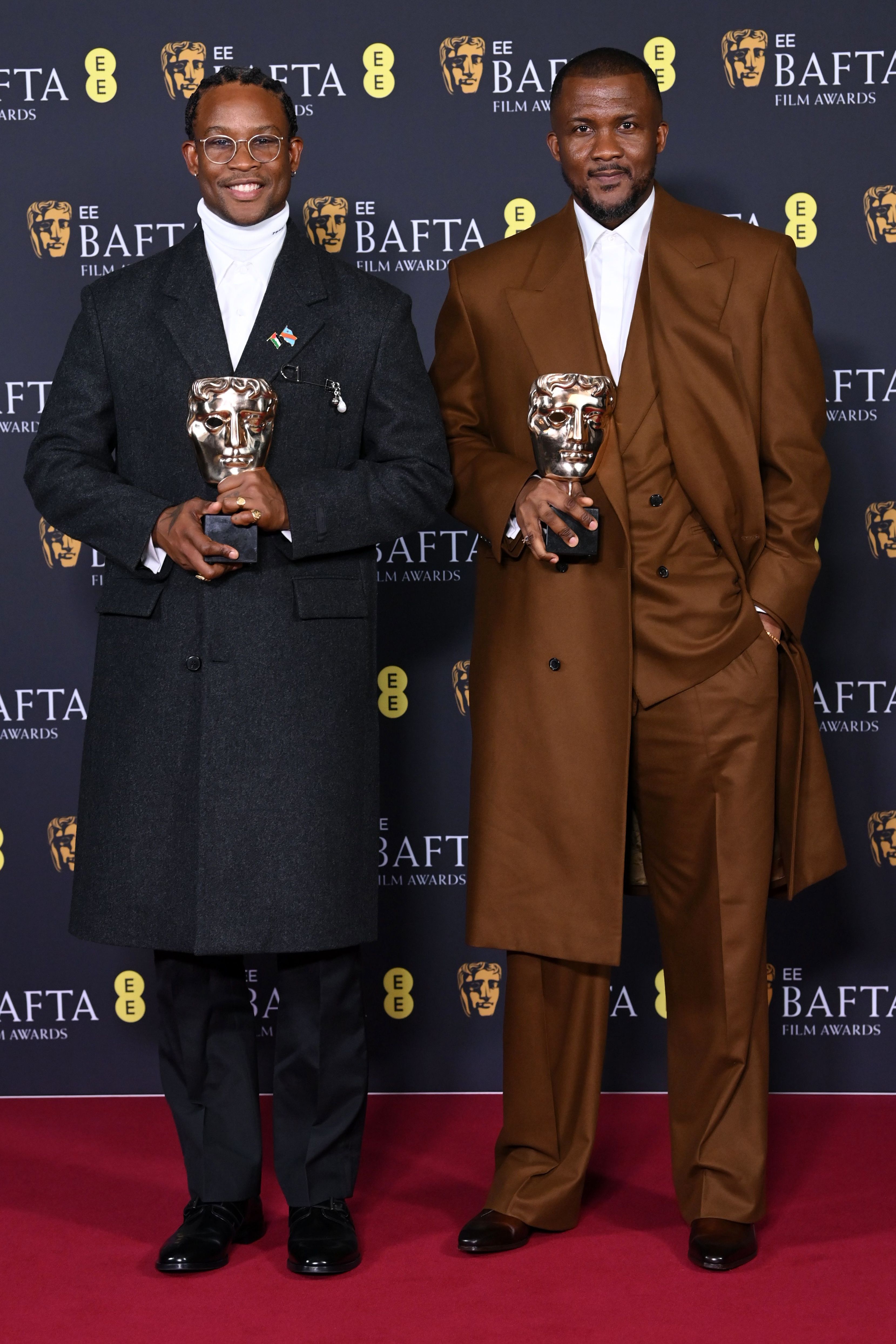
The 2026 BAFTA Film Awards, once poised to be a landmark celebration of global Black excellence, have instead triggered a profound crisis of confidence within the African diaspora. The broadcast of a racial slur during a high-profile segment featuring Hollywood icons Michael B. Jordan and Delroy Lindo has moved beyond a "technical error" to become a symbol of institutional negligence. This event has forced a difficult conversation about whether elite cultural spaces are truly capable of safeguarding the dignity of the Black artists they invite into their halls. The Anatomy of a Safeguarding Failure The incident occurred during a peak moment of the ceremony. As Michael B. Jordan and Delroy Lindo took the stage to present the award for Best Visual Effects, a prominent racial slur was shouted from the audience. The source was John Davidson, a Scottish disability campaigner whose film I Swear had won earlier in the night. Davidson lives with severe coprolalia—a symptom of Tourette syndrome that causes involuntary vocal tics. +1 While the live audience at the Royal Festival Hall was briefed on the possibility of involuntary swearing, the controversy lies with the BBC’s broadcast.
The ceremony was aired on a two-hour tape delay, a standard window designed specifically for "compliance editing"—the practice of bleeping profanity or removing sensitive audio before it reaches millions of homes. Despite this safeguard, the slur was broadcast unfiltered. The BBC later claimed the production team "simply did not hear it" in the rush of the edit, a defense that many in the diaspora have found difficult to accept given the clarity of the audio. The Diaspora Standpoint: A "Punch on a Bruise" For the African diaspora, the significance of this moment cannot be overstated. It has been described by critics and community leaders as "punching on a bruise"—a metaphor for the cumulative trauma of navigating spaces that claim to be inclusive but fail at the most basic level of protection.
The impact is twofold: The Devaluation of Black Presence: Having two of the most respected Black actors in the world subjected to a racial slur on national television—regardless of the speaker's intent—creates a narrative that Black presence in these spaces comes with an inherent risk of degradation. The "Empathy Gap": Much of the immediate institutional defense focused on the involuntary nature of the tic. From a diaspora perspective, this created a painful hierarchy: the broadcaster prioritized the "uncontrollable" nature of a disability over the "uncontrollable" trauma a racial slur inflicts on a global Black audience. It suggested that Black dignity is a secondary consideration to the complexities of the production room.

Related article - Uphorial Shopify

Institutional Fallout and the Resignation of Jonte Richardson The shockwaves from the event led to immediate structural consequences. Jonte Richardson, a respected filmmaker and BAFTA judge, resigned in a public protest that resonated across the Atlantic. In his resignation, Richardson argued that the "safeguarding of Black dignity" was treated as an optional luxury rather than a fundamental requirement. His exit was followed by a joint statement from the New Black Film Collective and several UK-based advocacy groups, pointing out that the slur remained on the BBC iPlayer streaming service for hours after the initial airing. This delay in removal suggested that even after the "error" was identified, the urgency to protect Black viewers was significantly lacking compared to other forms of content moderation. The Significance of the "Blind Spot" Analyzing this event requires looking at the "blind spot" in the production suite. Modern broadcasting uses sophisticated AI and human monitors to catch "red-flag" words. The fact that a racial slur escaped multiple layers of professional oversight suggests a lack of diversity in the rooms where decisions are made. If the editors in the production truck did not "hear" the slur, it indicates a profound lack of cultural resonance with the word's weight. To the diaspora, this is proof that "representation" on screen is hollow if there is no representative oversight behind the scenes to recognize and intercept racial harm.
For the Black diaspora, the significance of this event is less about the individual with Tourette syndrome and more about the systemic failure to protect Black artists. The incident has been described as akin to "punching on a bruise," highlighting how the "mainstreaming" of racial abuse online has desensitized institutions to the trauma such language carries. The impact has already been structural. Jonte Richardson, a filmmaker and BAFTA judge, resigned in the wake of the ceremony, stating that the organization’s handling of the event was "utterly unforgivable." Richardson argued that BAFTA and the BBC failed to "safeguard the dignity" of their Black guests, a sentiment echoed by the New Black Film Collective, which called the failure to bleep the slur a "disgrace."
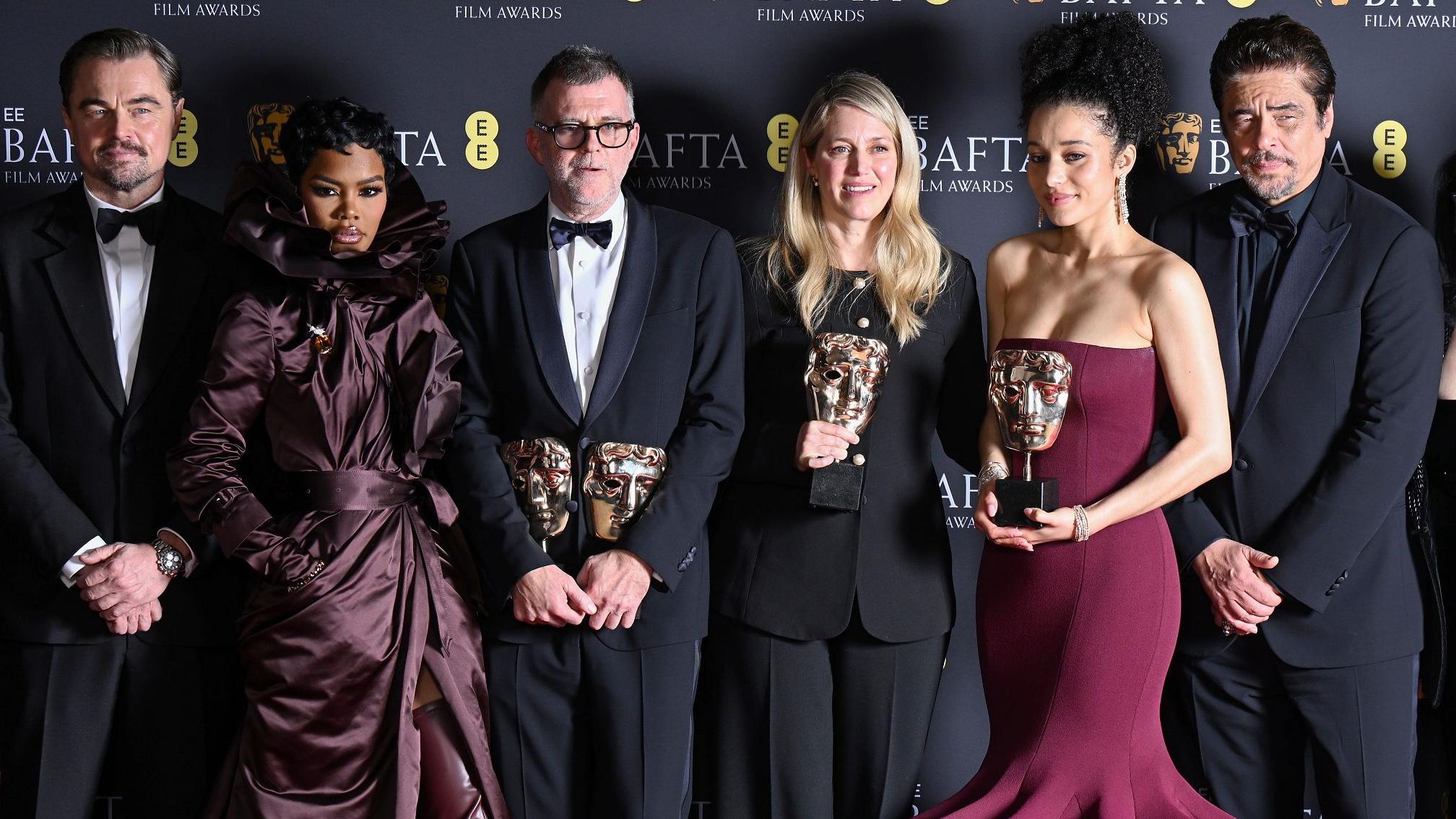
The Collision of Disability and Racial Dignity The controversy has also forced a difficult conversation about disability and social impact. Tourette syndrome advocates have called for empathy, emphasizing that Davidson’s tics are neurological and do not reflect his personal beliefs. Davidson himself expressed being "deeply mortified" by the distress caused. However, the consensus among many in the creative community is that these are not binary choices. Experts argue that while Davidson’s disability warrants understanding, the responsibility for the harm lies with the institutions. A neurological condition can be real, but the institutional choice to broadcast the resulting slur—while silencing a plea for human rights—reveals a troubling hierarchy of values.
A Legacy of Skepticism The 2026 BAFTAs will likely be remembered as a turning point for live broadcast ethics in the UK. The event has exposed a stark contradiction: a broadcaster that can be "expertly tuned" to silence political speech while remaining "tone-deaf" to racial abuse. As the industry moves forward, the pressure for live broadcasts and more diverse editorial teams has never been higher. For many, the apologies from the BBC and BAFTA are a starting point, but the "trauma and pain" mentioned in their statements will require more than a re-edited upload to heal.