Global technology and semiconductor companies are making sharp strategic adjustments—cutting jobs, reshaping capital spending, and doubling down on artificial intelligence—as AI demand continues to surge while broader economic signals remain mixed.
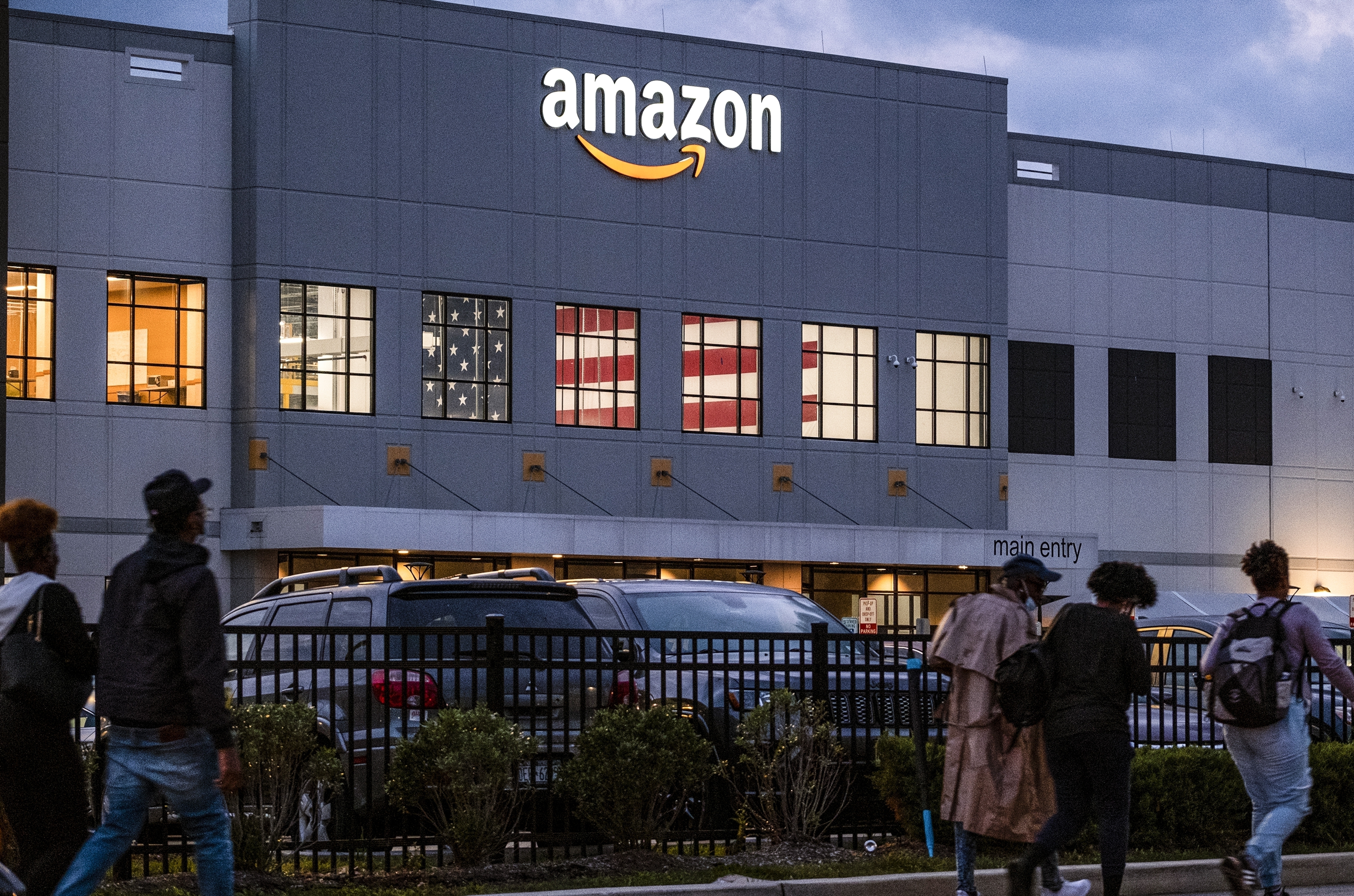
Amazon Announces Largest Corporate Job Cuts in Its History - Amazon has confirmed plans to cut 16,000 corporate jobs worldwide as part of an effort to streamline operations and reduce internal bureaucracy. The move brings the company’s total corporate layoffs to roughly 30,000, marking the largest job reduction in Amazon’s history. Executives say the cuts are aimed at eliminating layers of middle management and improving decision-making speed, as the company seeks to operate more efficiently in a slower-growth environment for e-commerce and cloud services.
ASML Cuts Jobs Despite Record AI-Driven Demand
Dutch semiconductor equipment giant ASML announced it will eliminate 1,700 roles—about 4% of its global workforce—in a bid to boost efficiency. The job cuts come even as the company reported record fourth-quarter bookings exceeding $13 billion, driven largely by booming demand for AI-related chips. ASML CEO Christophe Fouquet emphasized confidence in the long-term sustainability of AI investments, noting that demand for advanced chipmaking tools, particularly extreme ultraviolet (EUV) lithography systems, remains strong. However, analysts caution that while AI adoption continues at pace, spending growth may slow. Pierre Ferragu of New Street Research suggested that 2026 could mark a peak year for capital expenditures in semiconductor equipment, meaning revenue growth for firms like ASML may moderate even as AI demand persists.
SoftBank Weighs Massive New Investment in OpenAI - SoftBank is reportedly in talks to invest an additional $30 billion in OpenAI, a move that would significantly expand its existing 11% stake in the ChatGPT developer. If completed, the investment would underscore SoftBank’s renewed commitment to AI after years of volatile technology bets. AI Demand Drives Capacity Expansion—For Now - Sustained AI demand is pushing semiconductor companies to aggressively build manufacturing capacity. Yet industry watchers are increasingly focused on whether the pace of capital spending can be maintained. Key leading indicators include hyperscaler capital expenditures, with investors closely monitoring expected spending increases from companies such as Meta and Oracle. Demand for ASML’s EUV machines is also seen as a critical signal for future chip production trends.
Texas Instruments Offers Broader Economic Signal- Texas Instruments, often viewed as a bellwether for the global economy, delivered a strong forecast for its analog chip business. The outlook suggests customers are returning to place orders, pointing to improving conditions in industrial and automotive markets after a prolonged downturn. Company-Specific Developments Highlight AI Momentum - SK Hynix: Shares of the South Korean memory chipmaker have surged amid relentless demand for AI memory. The company plans to launch an AI data center solutions firm in the United States, backed by $10 billion in capital.
Intel: Intel announced it will align with the U.S. administration’s “Trump accounts” initiative by matching employee contributions, a move seen as politically symbolic given the U.S. government’s substantial stake in the company. Microsoft: Investors are watching Microsoft’s Azure cloud platform closely, with analysts expecting growth to exceed guidance due to generative AI workloads and OpenAI training revenue. Microsoft continues to expand data center capacity to meet demand.
Wayve Robotics: The self-driving startup raised $1 billion in new funding, including a $750 million Series C round and a $250 million milestone-based investment from Uber. Wayve plans to deploy robo-taxis using its “physical AI” platform, which it says can scale across passenger and freight vehicles. Earnings Previews: Tesla and Meta in Focus. Ahead of its earnings report, Tesla has divided analysts. While fourth-quarter vehicle sales are down, optimism around its Cybercab robo-taxi project and longer-term robotics ambitions continues to support investor interest. Meta’s upcoming earnings are also under scrutiny, with investors focused less on advertising revenue and more on the company’s projected AI capital expenditures for 2026, which could dominate its financial narrative.