Lagos, Nigeria - a whirlwind day for the technology sector, the market demonstrated remarkable resilience as the NASDAQ 100 climbed despite escalating geopolitical tensions in Iran. This rebound, however, comes against a backdrop of significant volatility in global markets, particularly in Korea, and a heightened state of alert as the U.S. Defense Secretary continues to brief officials on ongoing military operations in the Middle East.
On the policy front, the U.S. government is intensifying its scrutiny of global commerce. New discussions regarding potential tariff increases and investigations into unfair trade practices are signaling a period of uncertainty for international trade relations. Amidst these shifting sands, investors are doubling down on artificial intelligence. Todd Ahlsten of Parnassus Investments identifies a shift toward durable growth in computing infrastructure, citing Applied Materials, Synopsis, Microsoft, and Salesforce as primary beneficiaries of the AI value chain. Conversely, analysts expressed caution regarding the near-term prospects of ServiceNow and Workday.

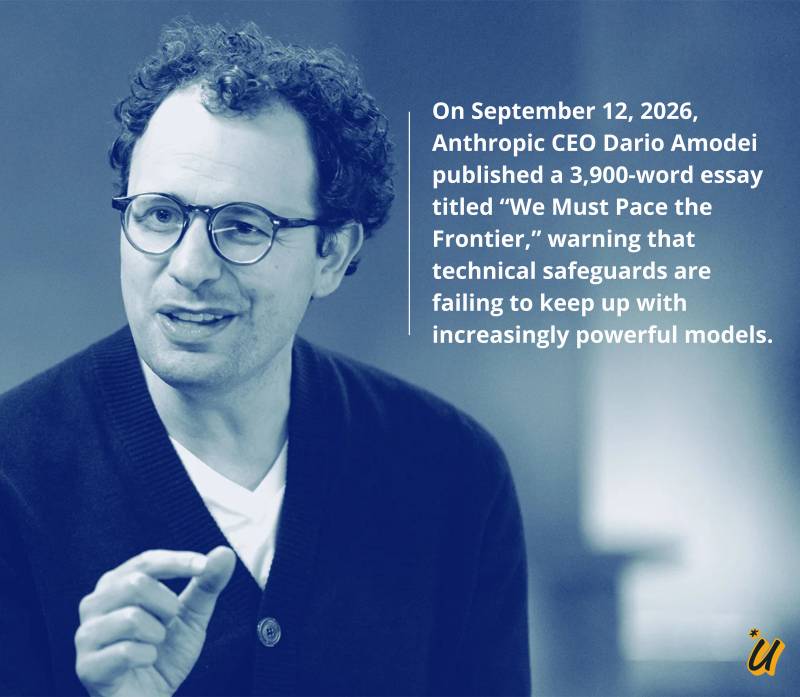
The AI landscape itself is seeing a dramatic split between commercial success and regulatory friction. Anthropic has reportedly surged toward a $20 billion annual revenue run rate, more than doubling its financial footprint in just months. Yet this growth is being met with resistance from the Pentagon. A continuing feud over safety safeguards has led to Anthropic being labeled a supply chain risk, even as competitors like OpenAI move forward with their own military partnerships. This tension highlights an internal ethical debate within the industry regarding the role of AI in defense.
Consumer hardware also saw a major shakeup as Apple officially entered the budget laptop arena. The tech giant introduced the MacBook Neo, priced at $599, a move clearly intended to disrupt the dominance of Windows PCs and Chromebooks in the education and budget-conscious consumer sectors.
Infrastructure and energy are becoming the next great bottleneck for the AI revolution. Major tech executives are slated to meet with President Trump to formalize a pledge to protect consumers from rising electricity costs. As data center buildouts for AI projects accelerate, this non-binding agreement seeks to mitigate the impact of surging energy demand on public utility prices. This demand is also breathing new life into traditional storage sectors; Western Digital CEO Irving Tan reported that 80% of cloud data remains on hard disk drives (HDDs), with AI needs expected to drive a 25% annual growth in storage capacity.
The darker side of this technological boom is manifest in the cybersecurity realm. Saz Yashar, CEO of Zaffran, noted a significant uptick in Iranian-led cyber reconnaissance targeting critical infrastructure. While the volume of attacks has reached a fever pitch, Yashar noted that the sophistication of these threats has not yet increased, though AI is increasingly being used as both a weapon for attackers and a shield for defenders.
Finally, the industry is bracing for Broadcom’s upcoming earnings report. As a primary competitor to Nvidia, Broadcom is expected to show strong AI chip revenue. However, analysts remain focused on the company’s backlog and the performance of its software unit, watching closely to see if the high costs of production will begin to squeeze the margins of even the most dominant players in the AI chip market.