The technology sector is reeling from a series of seismic shifts as artificial intelligence continues to redefine market valuations, corporate structures, and military ethics. At the forefront of this transformation is OpenAI, which has reportedly secured a massive $110 billion fundraising round. This latest injection of capital—backed heavily by industry titans Amazon and Nvidia—propels the company’s valuation to a staggering $730 billion. Sources indicate the funds are earmarked primarily for the massive expansion of AI cloud computing and physical infrastructure required to sustain the next generation of large-scale models.
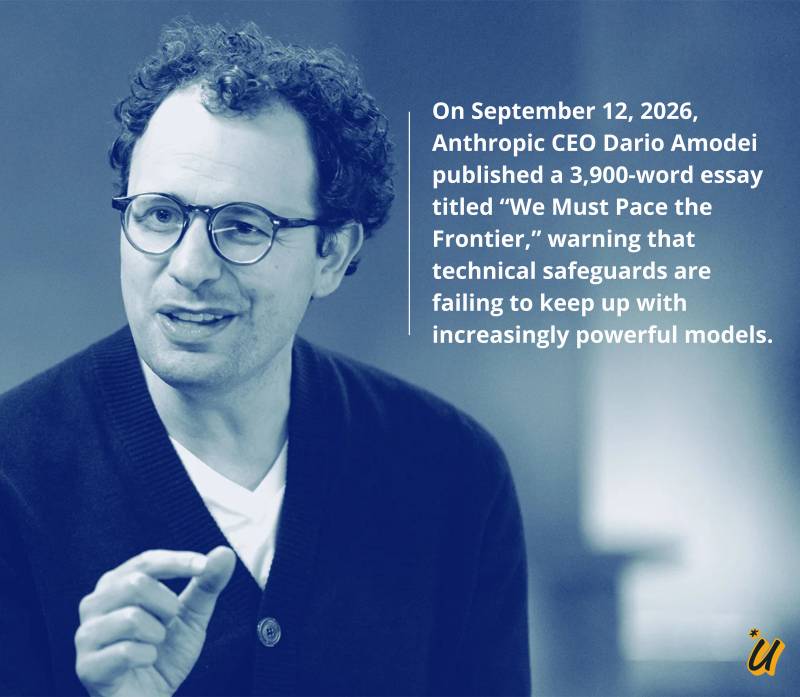
However, the rapid advancement of AI is creating friction beyond the boardroom. A significant dispute has erupted between Anthropic and the Pentagon regarding the integration of AI into military operations. Anthropic is reportedly lobbying for strict ethical safeguards, insisting on a "human-in-the-loop" requirement for all autonomous strikes and a total prohibition on the surveillance of U.S. citizens. This ideological clash highlights the growing tension between Silicon Valley’s safety-first developers and the Department of Defense's pursuit of modernizing warfare.

Corporate restructuring is also under the microscope following a drastic move by Jack Dorsey’s Block. The company announced plans to cut nearly half of its workforce, a decision framed as a strategic "bet on AI." The move has ignited a fierce debate among analysts over whether this represents a genuine shift toward AI-driven productivity or a case of "AI washing"—using the technology as a convenient narrative to justify aggressive cost-cutting measures.
These individual corporate maneuvers come amid a broader period of economic volatility. The NASDAQ and S&P 500 have just closed out their worst month since March of last year. Investors appear increasingly anxious over the high levels of capital expenditure required for AI and persistent inflation concerns. Even Nvidia, the primary beneficiary of the AI boom, has seen its stock price falter despite strong earnings, as the market weighs the implications of OpenAI’s growing dependence on Amazon’s proprietary chips and cloud services.
The pressure is not limited to software and chips; the global smartphone market is facing a historic contraction. A severe "memory crunch" has driven up component prices to the point where lower-end smartphones are becoming uneconomical to produce, threatening to reshape the consumer electronics landscape. In the media sector, Netflix has reportedly walked away from a potential bid for Warner Bros. Discovery, citing a price tag that had become too high to justify. Meanwhile, the aerospace sector saw its own shake-up as NASA restructured its Artemis mission, including the notable cancellation of a Boeing-led upgrade to the Space Launch System rocket, signaling a pivot in the future of American space exploration.