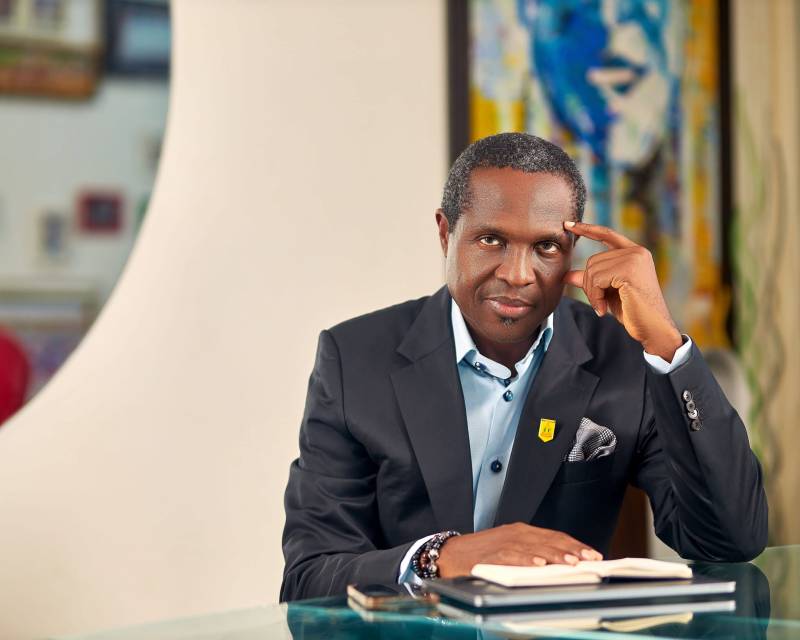
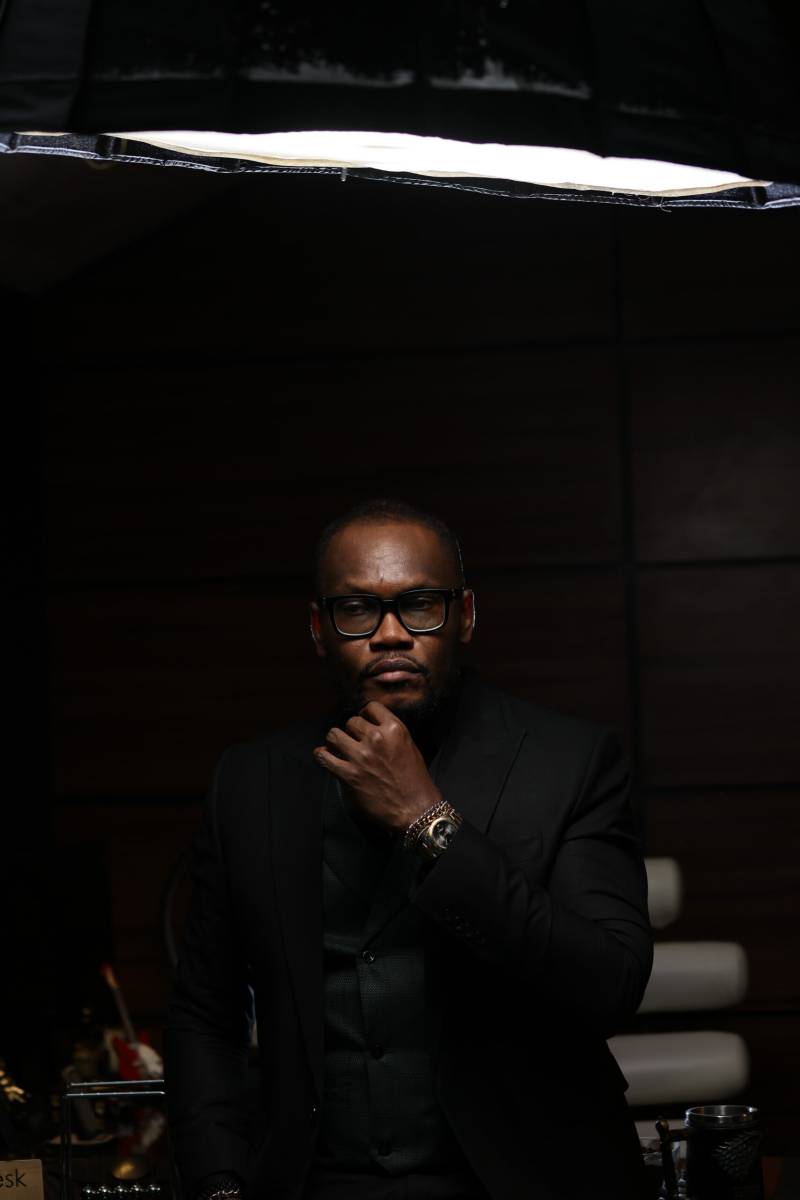
LAGOS NIGERIA - In a revealing exploration of identity and cultural stewardship, Nigerian American rapper Wale sat down with award-winning journalist Joey Akan for a candid episode of the Afrobeats Intelligence podcast. The platinum-selling artist used the platform to reflect on a career defined by his dual identity, his early foresight regarding the global rise of African sound, and the personal complexities of navigating fame as a "Nigerian first" in the American music industry.
Wale’s connection to the Afrobeats movement predates its current status as a global pop juggernaut. During the session, he revisited his early collaborations with titans like Olamide and Davido, noting that he was experimenting with African sonic elements long before they became a prerequisite for international chart success. The panel identified the remix of Wizkid’s "Ojuelegba" featuring Drake as a definitive breakout moment for the genre in the U.S., though Wale emphasized that his advocacy for the sound often came at a professional cost, as he frequently had to "prove" the viability of the culture to Western gatekeepers.
The emotional centerpiece of the interview focused on Wale’s first visit to Nigeria as a successful artist. He described the experience as "surreal," detailing the profound impact of reconnecting with his roots while witnessing the tangible influence of his music on the continent. This homecoming served as a backdrop for a deeper conversation on the "cost of fame." Wale spoke openly about the isolation that often accompanies a number one album, admitting to a lingering nostalgia for his life before global recognition and the pressure of being misunderstood by both the American mainstream and the diaspora.

Related article - Uphorial Shopify

The episode also served as a moment of official recognition for Wale’s continued impact on the Nigerian charts. The rapper was presented with a commemorative plaque for his hit single "Blood on the Dance Floor," featuring ODUMODUBLVCK and Bloody Civilian, which recently secured a number-one position in Nigeria. This achievement reinforces Wale’s status as one of the few artists successfully bridging the gap between the U.S. and African markets through genuine creative exchange rather than mere commercial sampling.
Looking toward the future, Wale outlined a strategic shift that extends beyond the recording booth. He expressed a desire to deepen his involvement in Nigeria and other African nations through investment in various sectors, viewing music as a gateway to broader economic and cultural development. By moving from an "ambassador" to an active participant in the African market, Wale aims to ensure that the global success of Afrobeats translates into sustainable infrastructure and opportunities for the next generation of African creatives.