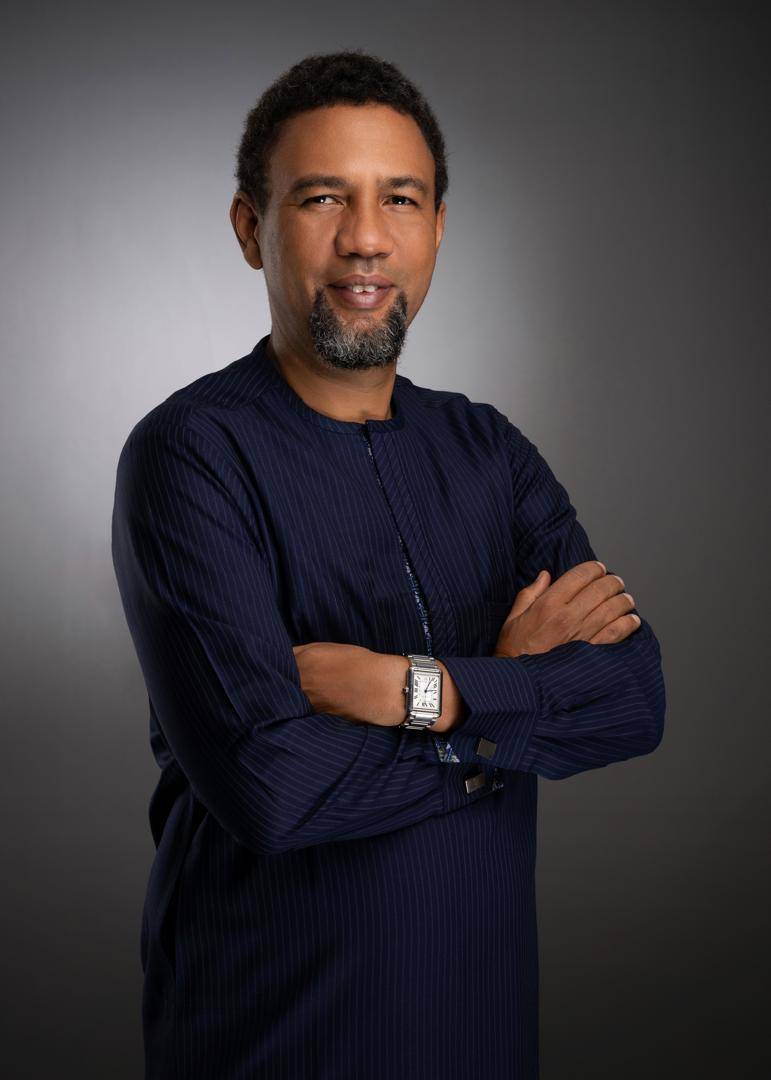
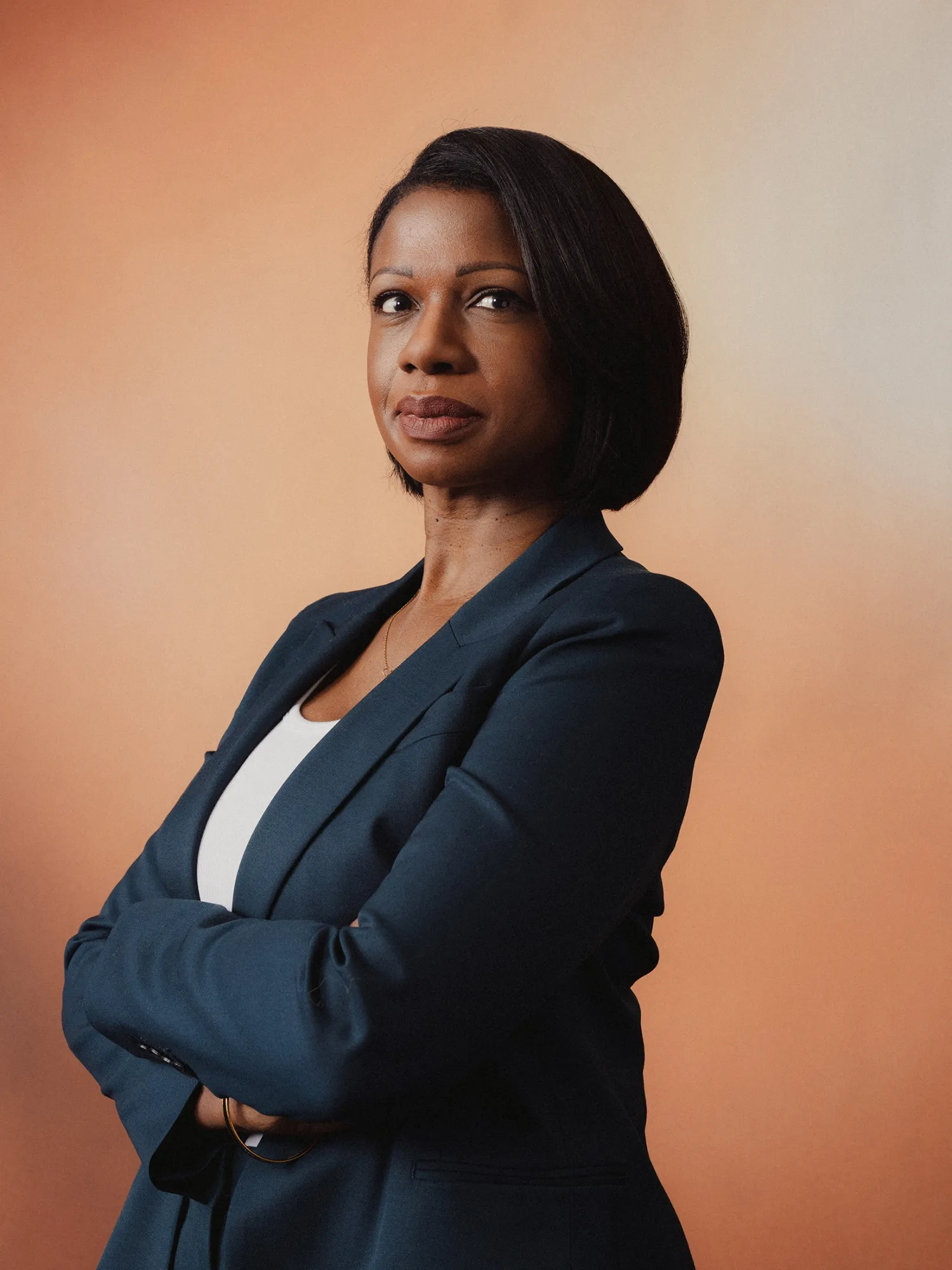
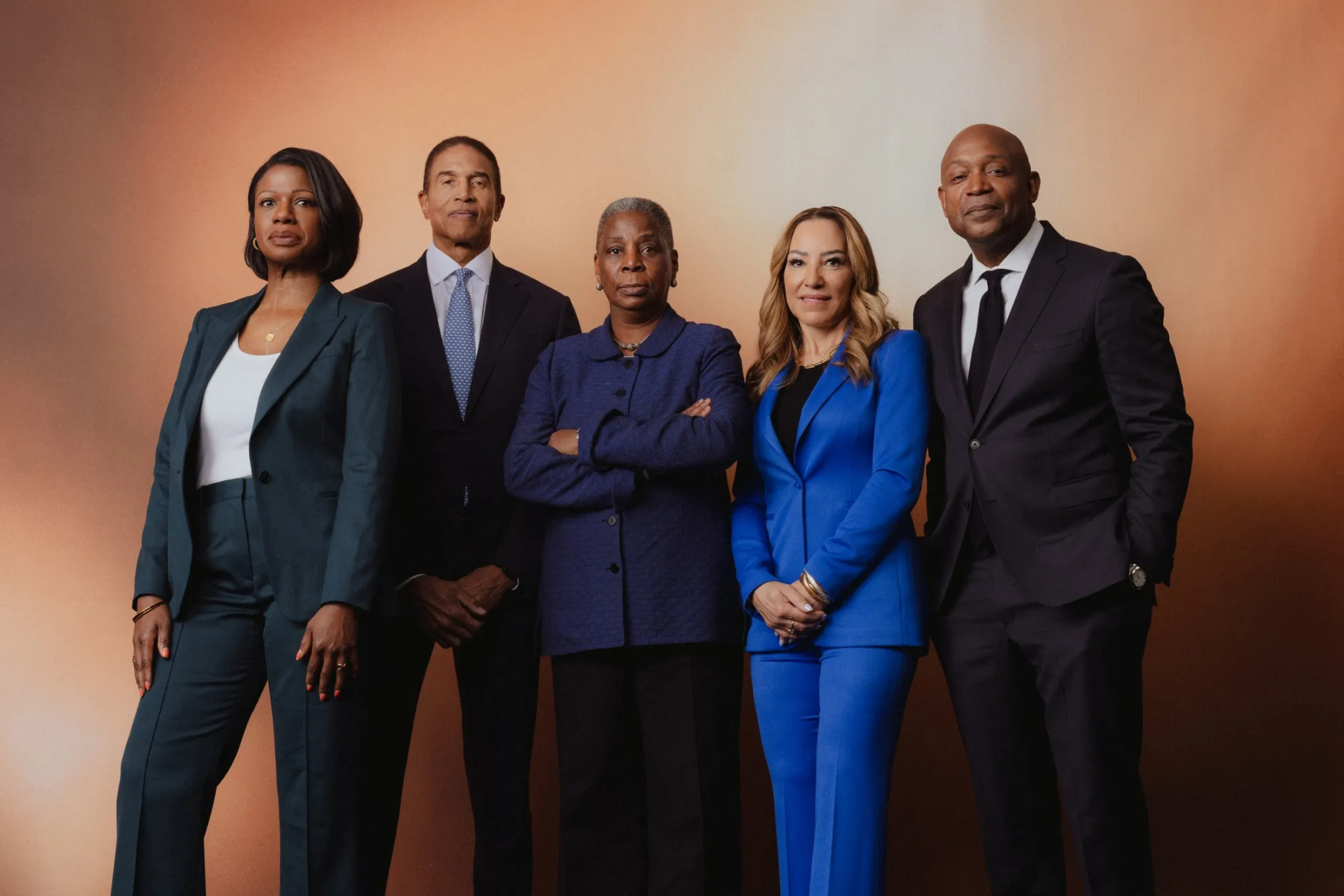
ATLANTA – The landscape of corporate America is currently navigating a period of profound ideological retreat, as the once-robust commitments to Diversity, Equity, and Inclusion (DEI) face an unprecedented wave of systemic rollbacks. In a high-stakes roundtable hosted by Bloomberg Businessweek and moderated by Roma Bostic, a panel of preeminent Black business leaders—including Ursula Burns, Lisa Wardell, Jacob Walthour, Jr., Nicole Reboe, and Chris Williams—convened to dissect the mechanics of this retreat. The discussion served as both a diagnostic report on the current state of the boardroom and a strategic manifesto for resilience in a climate where the very benefits of diversity are being questioned despite decades of empirical evidence supporting its success.
The participants began by addressing the fundamental shift in the national discourse, noting that the conversation around DEI has morphed from a constructive pursuit of corporate excellence into a contentious political battlefield. The leaders argued that the current environment is marked by a deliberate questioning of the "diversity dividend." Despite data showing that diverse teams drive innovation and financial outperformance, the panel noted a rising narrative that suggests these initiatives are at odds with corporate efficiency. This shift has created a chilling effect in executive suites, where the language of inclusion is being scrubbed from annual reports to avoid public and political scrutiny.
A central pillar of the discussion focused on the enduring tension between the concepts of merit and access. The panel moved to aggressively challenge the popular narrative that a "pure" meritocracy exists in a vacuum. Ursula Burns and Chris Williams, in particular, emphasized that merit is fundamentally contingent upon access and inclusivity; one cannot demonstrate merit if they are never granted entry to the room where that merit is measured. The leaders argued that a true meritocracy has never existed historically in the American corporate structure, as systemic barriers have long favored traditional networks. By framing DEI rollbacks as a return to "merit," critics are, in the panel's view, merely reinforcing a system of inherited privilege that excludes untapped talent.
Related article - Uphorial Shopify
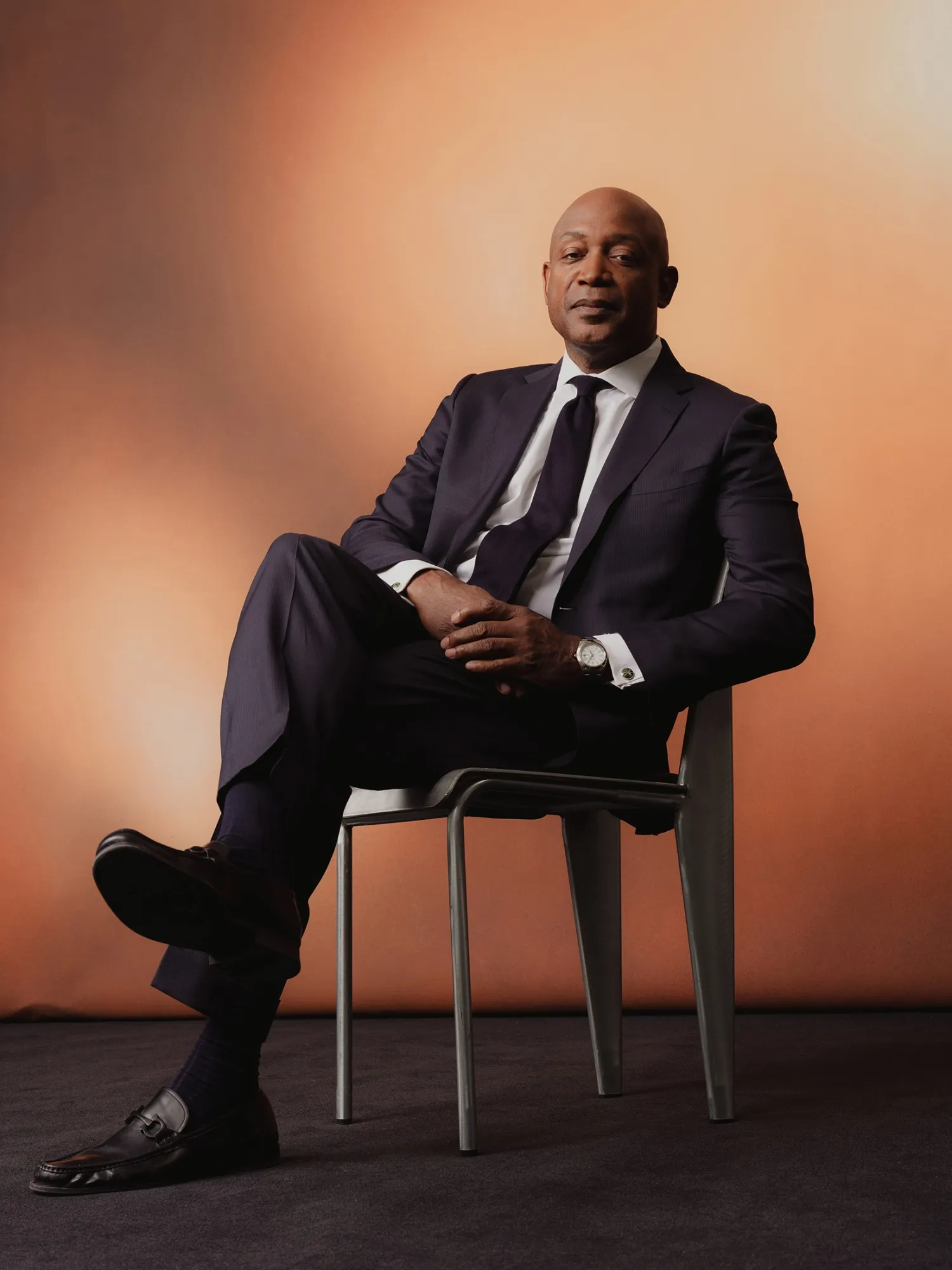
The conversation took a critical turn toward the phenomenon of "corporate caving." The participants dissected why many of the world’s most powerful corporations—which made sweeping, public commitments to racial equity following the social justice movements of 2020—have recently scaled back or dismantled their DEI infrastructures. The consensus among the leaders was that these initial commitments were often reactive rather than foundational. In the face of coordinated political pressure and the threat of litigation, many firms have chosen the path of least resistance. This retreat suggests that for many organizations, the pursuit of equity was a fair-weather policy rather than a core business strategy, leaving advocates within those companies feeling abandoned by the leadership.
Beyond the theoretical and political implications, the roundtable highlighted the devastating human impact of these institutional reversals. The panel brought to light the personal and professional toll on executives of color who find themselves suddenly navigating a landscape of disappearing opportunities. These rollbacks are not just policy changes; they represent the loss of life-changing career advancements and the erasure of mentorship pipelines that took years to construct. The leaders noted that when a corporation signals a retreat from DEI, it sends a message to its employees of color that their path to the top is no longer a priority, leading to a "brain drain" of diverse talent and a decline in morale across the executive ranks.
However, the tone of the meeting was not one of defeat, but of recalibrated action. The participants shifted the focus toward constructive resilience, urging the next generation of Black business leaders to remain proactive and results-oriented. The leaders advocated for the creation of what they termed a "constellation of support"—a robust network of cross-industry mentorship and sponsorship that operates independently of corporate whims. They emphasized that in an era of institutional instability, relying on individual effort alone is insufficient. Success in the current climate requires a collective strategic defense and a commitment to excellence that is so undeniable it bypasses the current political noise.
In her concluding remarks, Ursula Burns and her colleagues underscored that the work of inclusion is a marathon, not a sprint, and that the current backlash is a predictable, albeit painful, part of the cycle of social progress. The message to the next generation was clear: while the corporate labels for these initiatives may change or disappear, the necessity of the work remains. The panel called for a renewed focus on building sustainable, self-reliant ecosystems of Black excellence that can withstand the shifting winds of corporate politics. As the session closed, the sentiment in the room was one of tempered resolve, recognizing that while corporate America may be caving, the leaders who built their careers within it have no intention of following suit.