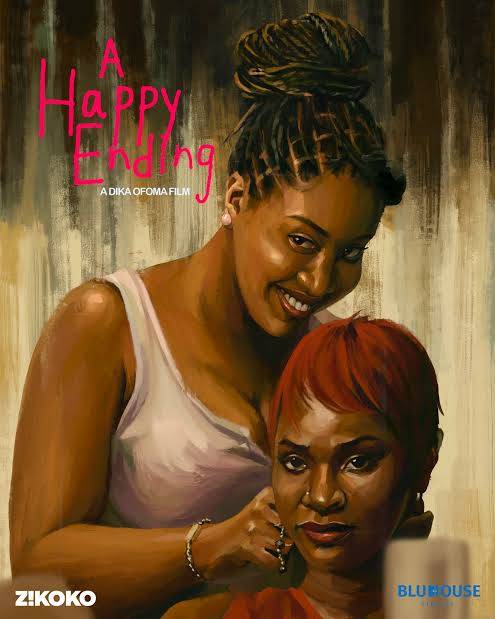
The architecture of domestic intimacy, workplace politics, and pre-marital social posturing reaches a masterly, illuminating peak in a compelling contemporary drama that lays bare the fragile trust beneath modern relationships. Unpacking a tightly woven web of romantic insecurity, office friction, and theatrical status-seeking, the narrative follows Mimi and her fiancé, Frank, as their impending traditional wedding becomes a pressure cooker exposing every hidden boundary and unspoken resentment. In an exceptionally detailed cultural feature report and dramatic analysis, chroniclers examine a story defined by culinary territory and family overreach, simmering workplace alliances, transparent social exaggeration, and an explosive confrontation over an ex-lover’s unsolicited generosity.
At the intimate, volatile foundation of the conflict lies a deeply symbolic breach of domestic loyalty: Mimi’s sharp distress upon discovering that her fiancé has been eating meals prepared by another woman named Sandra while simultaneously airing their private relationship struggles to his family members. Within Nigerian cultural sensibilities, food prepared by an outside woman is rarely perceived as an innocent convenience; it registers as an intrusion into the sacred territory of care, affection, and exclusivity. Compounding that emotional sting is the violation of confidentiality—turning internal couple disagreements into public family deliberations that erode trust before a marriage has even formally begun. Through emotional precision, watching a bride-to-be confront the quiet humiliation of seeing her fiancé seek nourishment and counsel outside their union exposes the subtle fault lines that destabilize engagements long before vows are exchanged, proving that fidelity is tested just as fiercely in everyday boundaries as in grand gestures.
Central to the narrative’s broader tension is the spillover of personal instability into professional spaces, where ongoing friction among colleagues turns the office into an arena of distraction and low morale. Clashes erupt over unprofessional conduct, unwanted romantic intrusions, and a pervasive lack of productivity that leaves serious staff frustrated. Seeking leverage amid the chaos, Frank attempts to forge a strategic alliance with Mimi to navigate these workplace headwinds—an effort that mirrors his broader impulse to manage perception and secure allies even as his personal credibility begins to fray.

Related article - Uphorial Shopify

Through intelligent curation of social dynamics, the story sharpens its lens on the performance of status surrounding traditional wedding preparations. As the group discusses logistics and plans for the upcoming ceremony, Frank engages an older visitor in conversation, launching into elaborate, heavily embellished stories about his international travels and career pedigree. Despite the obvious implausibility of his claims, Frank’s relentless posturing reveals a familiar social anxiety—the compulsion to project worldly success and authority in the presence of elders, even when authentic substance lags behind the performance.
Through a deep structural understanding of dramatic escalation, all of these simmering insecurities collide in an explosive climax centered on Mimi’s ex-boyfriend, Dr. John. When Mimi reveals that Dr. John purchased her flight tickets for the upcoming wedding, the revelation strikes directly at Frank’s pride and possessive vulnerability. What Mimi defends as a harmless, practical gesture from a past acquaintance registers to Frank as an intolerable humiliation—triggering a dramatic confrontation that forces both partners to confront the double standards governing outside attachments, financial gestures, and emotional boundaries.
Strategic storytelling frames this unfolding domestic and workplace tangle as an incisive mirror of contemporary urban life, where romantic partnerships must survive the competing pressures of extended family interference, office politics, social vanity, and lingering ghosts from the past.Through transformational framing, this chronicle of Mimi and Frank’s turbulent road to the altar transcends routine relationship drama. It stands as an enduring social chronicle, proving that when domestic boundaries blur, social posturing replaces candor, and past attachments intrude upon present commitments, love demands far more than a traditional ceremony—requiring radical honesty, mutual respect, and an unshakeable wall around the partnership itself.