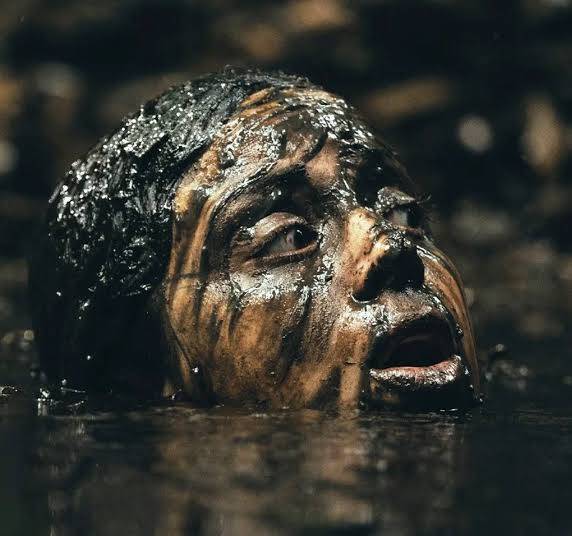
The cinematic landscape of contemporary West African storytelling has undergone a quiet yet seismic revolution, moving away from glossy commercial formulas to embrace raw, deeply personal documentary journalism. Among the vanguard of this movement is Zikoko Life, a digital storytelling platform renowned for excavating the intricate, often unvarnished realities of everyday African existence. In the documentary short A Happy Ending, this commitment to authentic narrative reaches a profound emotional zenith, capturing the delicate intersection of love, vulnerability, survival, and identity within modern Nigerian society. Stripping away artificial dramatic embellishments, the film constructs its narrative through intimate conversational framing, patient pacing, and an unflinching look at the emotional weights individuals carry behind closed doors.
At the narrative center of A Happy Ending is the universal human quest for connection and emotional resolution in a world defined by rapid societal shifts and economic pressures. The film follows its subjects as they navigate the complexities of relationships, personal grief, and the elusive pursuit of peace. Rather than offering tidy, Hollywood-style resolutions, the documentary explores the messy, winding path toward healing, where a "happy ending" is rarely a permanent destination, but rather a hard-won state of self-acceptance. The emotional precision of the production is palpable in every frame: silent pauses that speak louder than dialogue, trembling voices recounting deep-seated heartaches, and quiet moments of shared understanding that resonate with anyone who has ever fought to rebuild their life after profound disappointment.
Related article - Uphorial Shopify
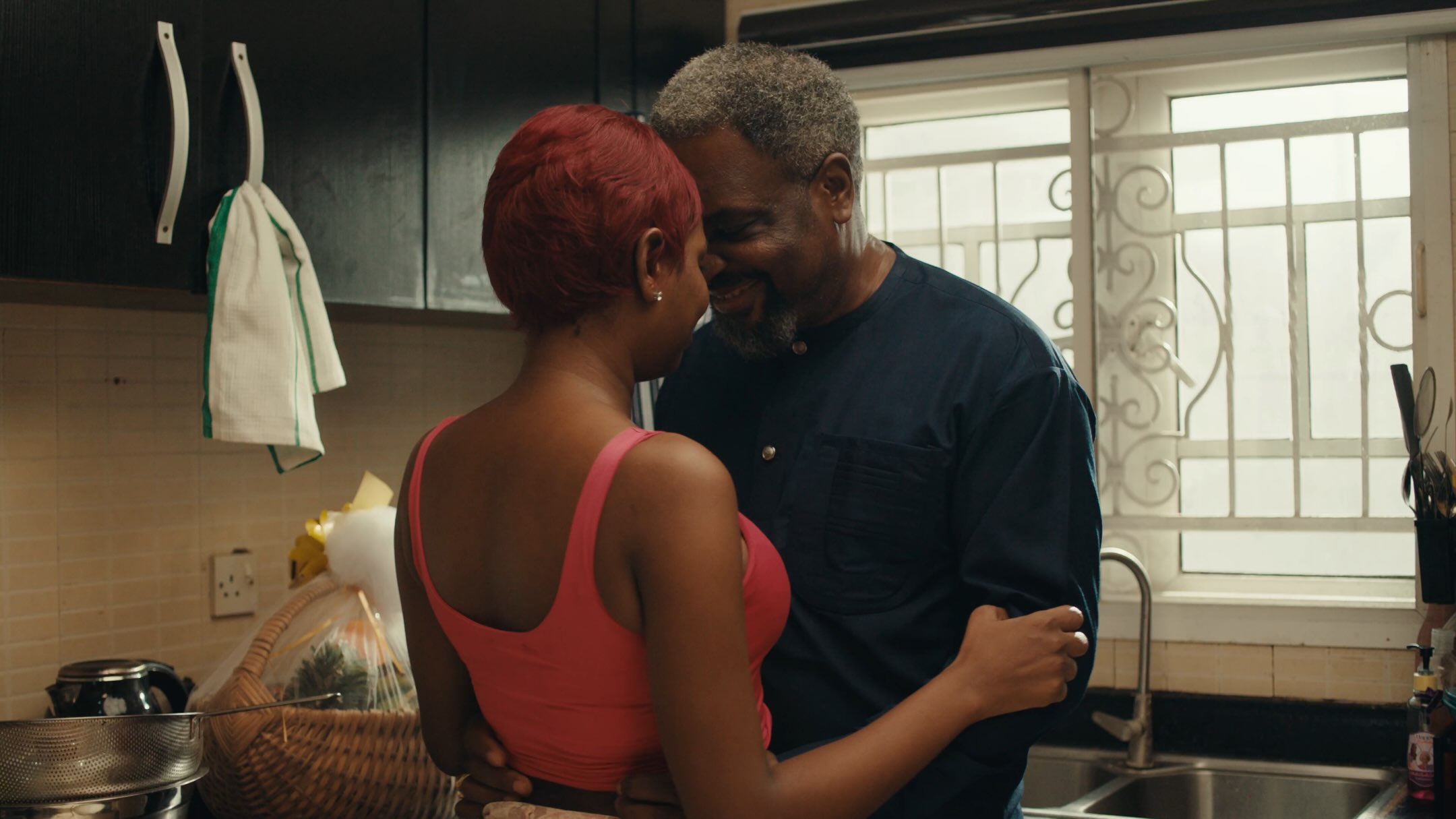
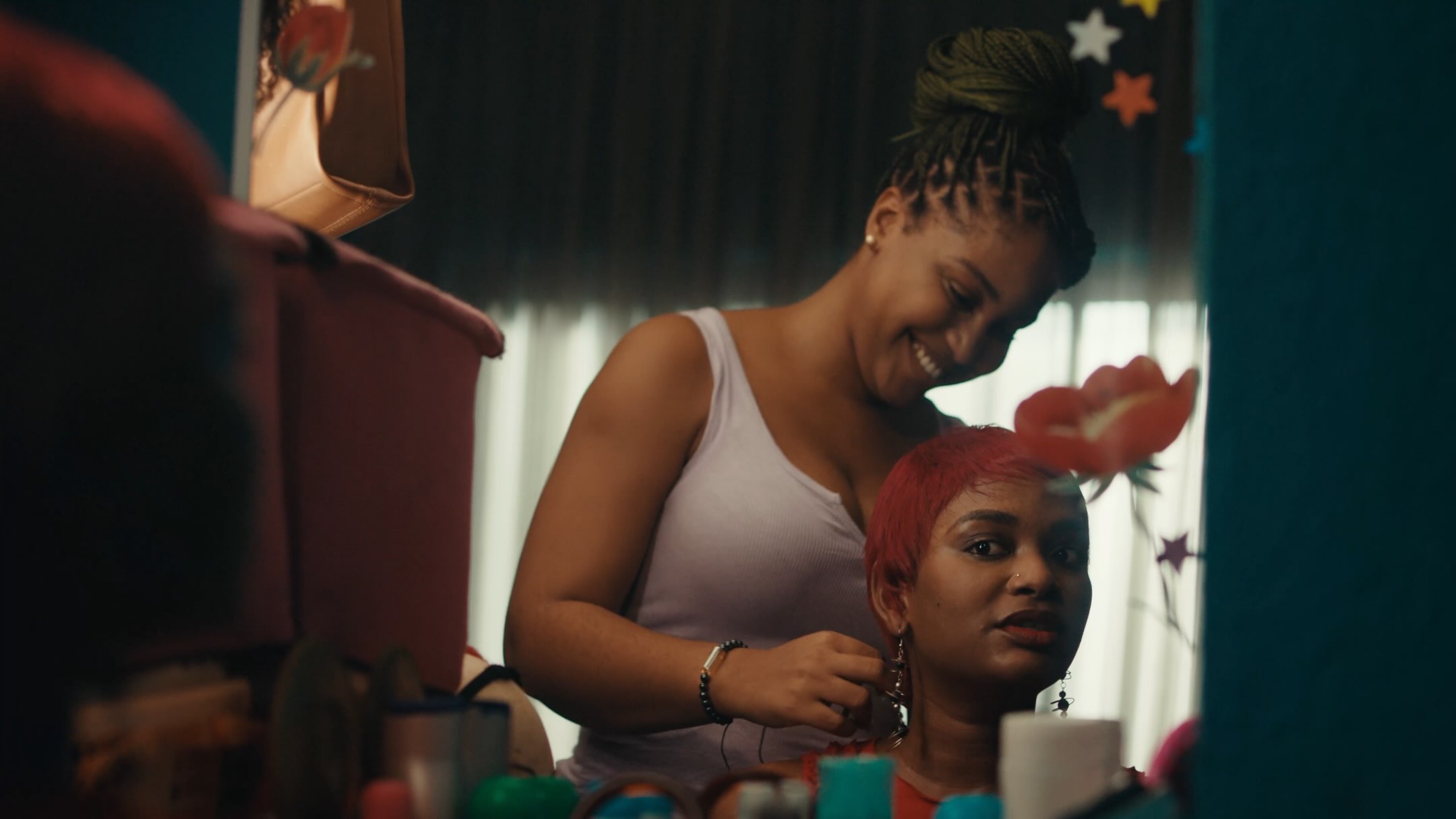
The directors curate the visual and auditory environment with intelligent restraint, allowing the quiet rhythm of everyday Lagos life to serve as a living backdrop for the human drama unfolding onscreen. Natural lighting, unscripted interviews, and tight, respectful framing inside intimate living spaces create an atmosphere of profound trust between the camera and the subjects. The soundscape—minimalist, atmospheric, and anchored by ambient city sounds and sparse, melancholic piano cues—enhances the emotional weight without manipulating the viewer's response. Every visual choice underscores the documentary’s core thesis: that true resilience is found not in grand, heroic gestures, but in the quiet, daily courage to keep moving forward when the future feels uncertain

Culturally, A Happy Ending taps into the evolving conversation around mental health, vulnerability, and emotional literacy across the Nigerian diaspora and mainland communities. For generations, societal expectations have encouraged individuals—particularly young Africans—to mask vulnerability behind a veneer of relentless hustle and stoic optimism. By giving its subjects the safe space to deconstruct their pain, unpack romantic disillusionment, and articulate their deepest fears, the film acts as a vital cultural mirror. It challenges traditional notions of strength, reframing emotional transparency not as weakness, but as the foundational prerequisite for true healing and personal liberation.
Through transformational framing, A Happy Ending transcends the boundaries of standard digital media reportage, evolving into a poignant meditation on human endurance and the transformative power of storytelling. It reminds audiences that behind every statistic, social media post, or urban hustle lies a complex, breathing human story deserving of empathy and respect. In an era dominated by fleeting digital noise, Zikoko Life’s unflinching documentary stands as a masterclass in empathetic curation, proving that the deepest truths about our shared humanity are uncovered when we finally stop running from our vulnerabilities and learn to listen to each other.