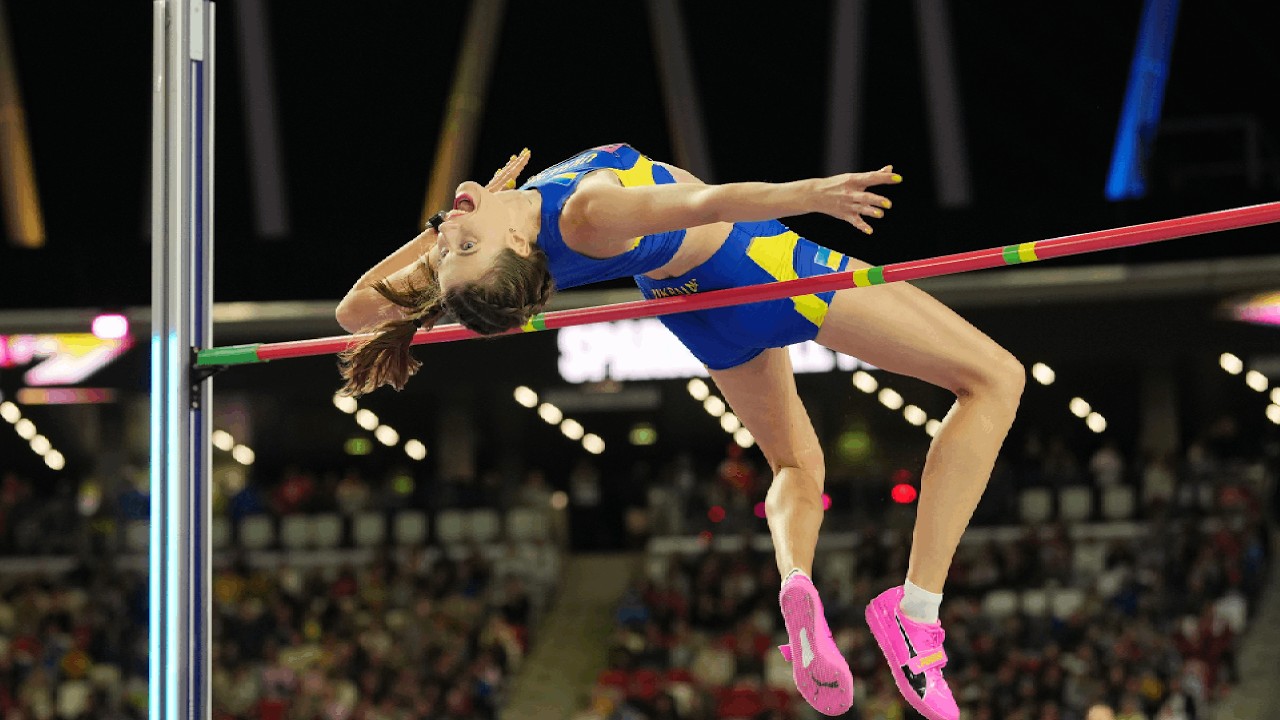
The National Athletics Centre in Budapest hummed with a distinct, electric tension during the inaugural World Athletics Ultimate Championship, where the world's elite high-jumpers gathered for a showdown that would redefine the limits of the sport. Stripped of synthetic commentary and polished broadcast voiceovers, the raw on-track audio captures the pure, visceral essence of elite competition: the rhythmic, driving spikes hitting the runway, the deep exhales of absolute concentration, the collective intake of breath from a captivated stadium, and the explosive roar of a crowd erupting as bodies defy gravity. In this acoustic arena, every jump is an intimate conversation between the athlete, the bar, and the silence right before takeoff.
To truly understand the weight of this championship requires looking beyond the statistics and examining the psychological architecture of modern track and field. High jump is perhaps the most unforgiving discipline in athletics. Unlike sports where athletes can recover from a tactical error or compensate for a slow start, the high jump operates on absolute binaries. Every height is a cliff; every clearance is a narrow triumph; every failure is final once the third strike lands. In the quiet moments before a run-up, the athlete must silence the chaotic roar of tens of thousands of spectators, retreating entirely inward to visualize a fluid, weightless ascent over a fragile fiberglass barrier suspended high above the earth.
The narrative of the evening unfolded as a masterclass in tactical poise and emotional resilience, anchored by the peerless presence of Ukraine’s Yaroslava Mahuchikh. For an athlete carrying the emotional and psychological weight of representing a nation enduring ongoing conflict, every appearance on the international stage is infused with profound symbolic meaning. Mahuchikh approaches this immense pressure not with visible strain, but with the calm, terrifying focus of a veteran master. Through the unvarnished audio feed broadcast directly from the infield, one could hear the sharp, metronomic tap of her measured run-up—a cadence of absolute precision that has spent years being refined through relentless repetition. When the bar moved upward, the audio landscape shifted from nervous anticipation to absolute stillness, creating a vacuum of sound right before the kinetic release of her jump.
Related article - Uphorial Shopify
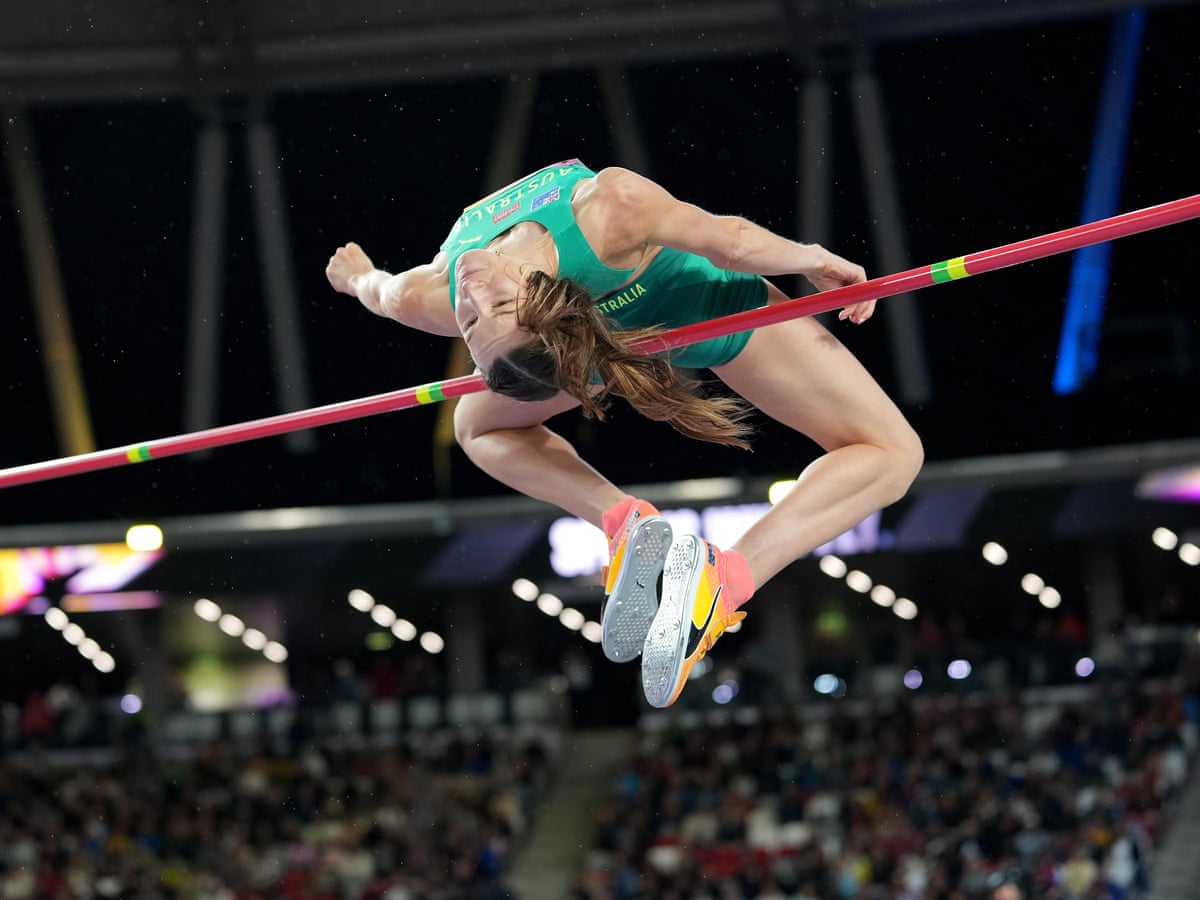
Facing a stacked field of global titans, Mahuchikh was pushed to her absolute limits by fierce competitors who brought their own distinct psychological weapons to the runway. Australia’s Nicola Olyslagers and Eleanor Patterson, along with Serbia’s rising star Angelina Topić, ensured that the competition was as much a mental chess match as it was a physical display of explosive power. Olyslagers, in particular, brought a vibrant, emotional energy to the field, utilizing expressive visualization routines, journaling, and visible self-affirmation between attempts to maintain an upbeat, unbreakable morale. The contrast between Olyslagers’ expressive, outward processing and Mahuchikh’s ice-cold, internal equilibrium provided a masterclass in strategic storytelling, illustrating the diverse ways elite champions harness their inner energy under immense stress.
As the bar settled into the precarious heights of 1.99 meters, the contest narrowed to a breathless duel that tested the absolute bounds of human capability. At this elevation, physical fatigue begins to mingle with mental exhaustion, and the margin for error shrinks to millimeters. The on-track audio captured the subtle, human elements of this struggle: the heavy, shuddering breaths of athletes catching oxygen between jumps, the friction of athletic tape adjusting against skin, and the muttered words of encouragement exchanged in passing. Yet, it was Mahuchikh’s clinical execution that ultimately pierced the tension. Clearing 1.99 meters with a clean, fluid rotation that barely brushed the air, she secured the inaugural gold medal, eliciting a wave of sound from the Budapest crowd that drowned out the ambient stadium hum and reverberated off the arena's modern architecture.

Though subsequent attempts at 2.04 meters proved elusive for the field, the audio record of those final efforts captured not defeat, but the relentless, driving ambition of athletes forever chasing the stratosphere. In sport, as in life, the pursuit of a personal or world record is rarely a straight line; it is a series of courageous attempts against an immovable ceiling. When a jumper crashes safely into the foam mat after a missed attempt, the ensuing silence is not one of despair, but of profound evaluation. It is the immediate processing of data, the quiet recalculation of approach angles, knee-drive velocity, and back-bend flexibility that sets the foundation for tomorrow's breakthroughs.
Through transformational framing, this high jump final transcended a mere tally of heights and medals, morphing into a profound study of human aspiration and resilience. The on-track audio strips away the commercial gloss of modern sports media, laying bare the raw vulnerability and ironclad discipline required to excel at the absolute apex of international competition. In every heavy landing on the crash mat, every shared embrace between fierce rivals under the Budapest lights, and every suspended second of absolute silence before a flight over the bar, the event stood as a timeless reminder that true athletic greatness is forged not in the moments of celebration, but in the quiet spaces of intense focus and echoed by the unscripted roar of a world watching in awe.