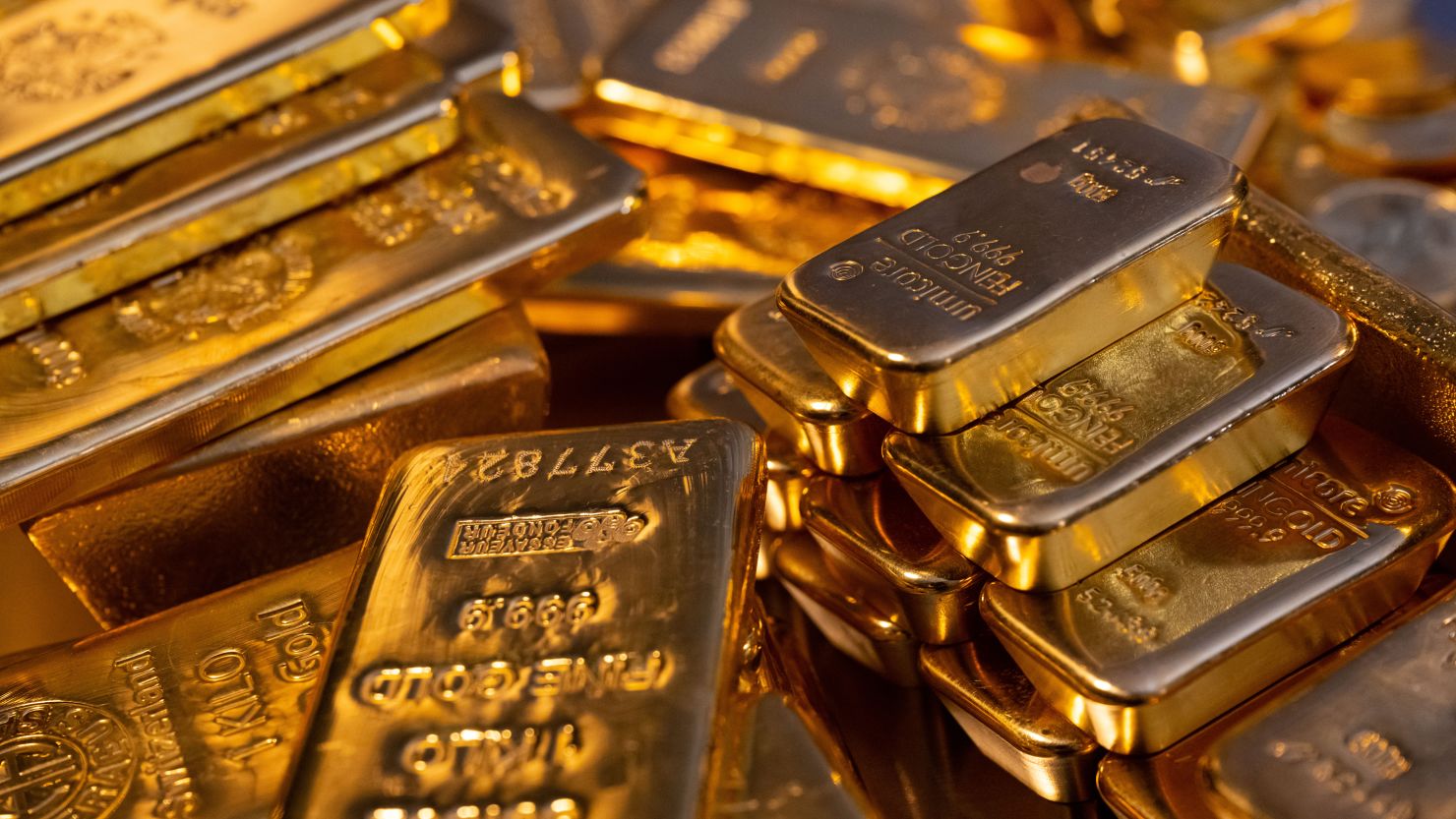
Gold prices have surged to historic levels, transforming a kilo of the metal from an $11,000 investment two decades ago into a $63,000 asset today. Business Insider reports that this meteoric rise is largely driven by gold's status as a safe haven, particularly during periods of economic instability like the 2008 financial crisis and the COVID-19 pandemic. On April 2, 2025, after President Donald Trump announced a tariff plan that caused tech stocks to plummet, gold continued to trade higher, reinforcing its role as a hedge against market volatility. Goldman Sachs even predicts that prices could reach $3,700 per ounce by late 2025 as central banks and individuals seek financial security.
The fervor for gold has reached mainstream retail, with Costco selling hundreds of millions of dollars in gold bars and coins that often sell out in hours. Insider contribution to the reporting on this phenomenon highlights that the retailer has had to limit purchases to one bar per customer as demand skyrockets. Simultaneously, jewelry stores in New Jersey report a 20% increase in customers selling old items to capitalize on high prices, and recycling facilities are now recovering over a kilo of gold daily from electronic waste. While this demand creates profit in the West, it brings devastating consequences to gold-rich nations like Liberia, where foreign mining firms from Turkey, China, and Canada have moved in to exploit deep-seated reserves.
Related article - Uphorial Shopify

Environmental degradation in these regions is severe, as documented by drone footage showing forests and rivers destroyed by heavy machinery. In Liberia, the Chinese-owned Hongu Mining was recently fined $40,000 after an investigation by the Environmental Protection Agency (EPA) revealed they were polluting local water sources and diverting rivers. Mercury usage, while dangerous, remains a common shortcut for some independent miners to bind gold particles, leading to significant neurological risks and water contamination that affects 60% of Ghana's freshwater sources. Despite a five-year plan by the Liberian government to increase oversight across its fifteen counties, many world-class mines remain in remote jungles that are nearly impossible to monitor.
As the global mining industry races to meet demand, the supply of gold is nearing a finite end. Geologists estimate that only 50,000 tons of gold remain beneath the Earth's crust. If current extraction rates continue, scientists believe there may be no gold left to mine by 2050. This inherent rarity, coupled with ongoing geopolitical and economic shifts, suggests that gold’s allure as a symbol of wealth will only intensify as it becomes increasingly difficult to obtain.