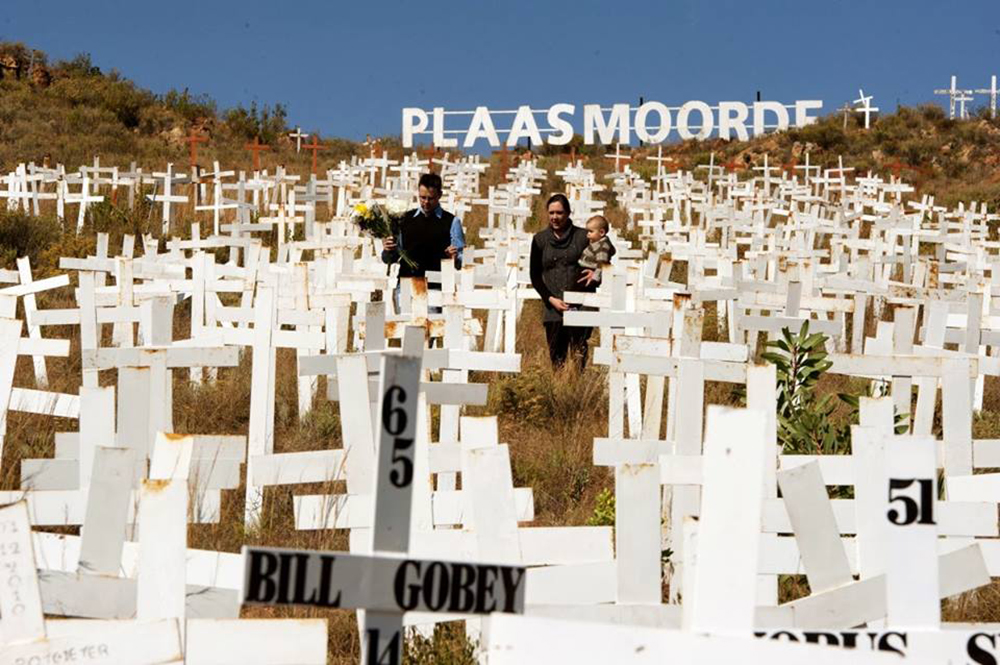
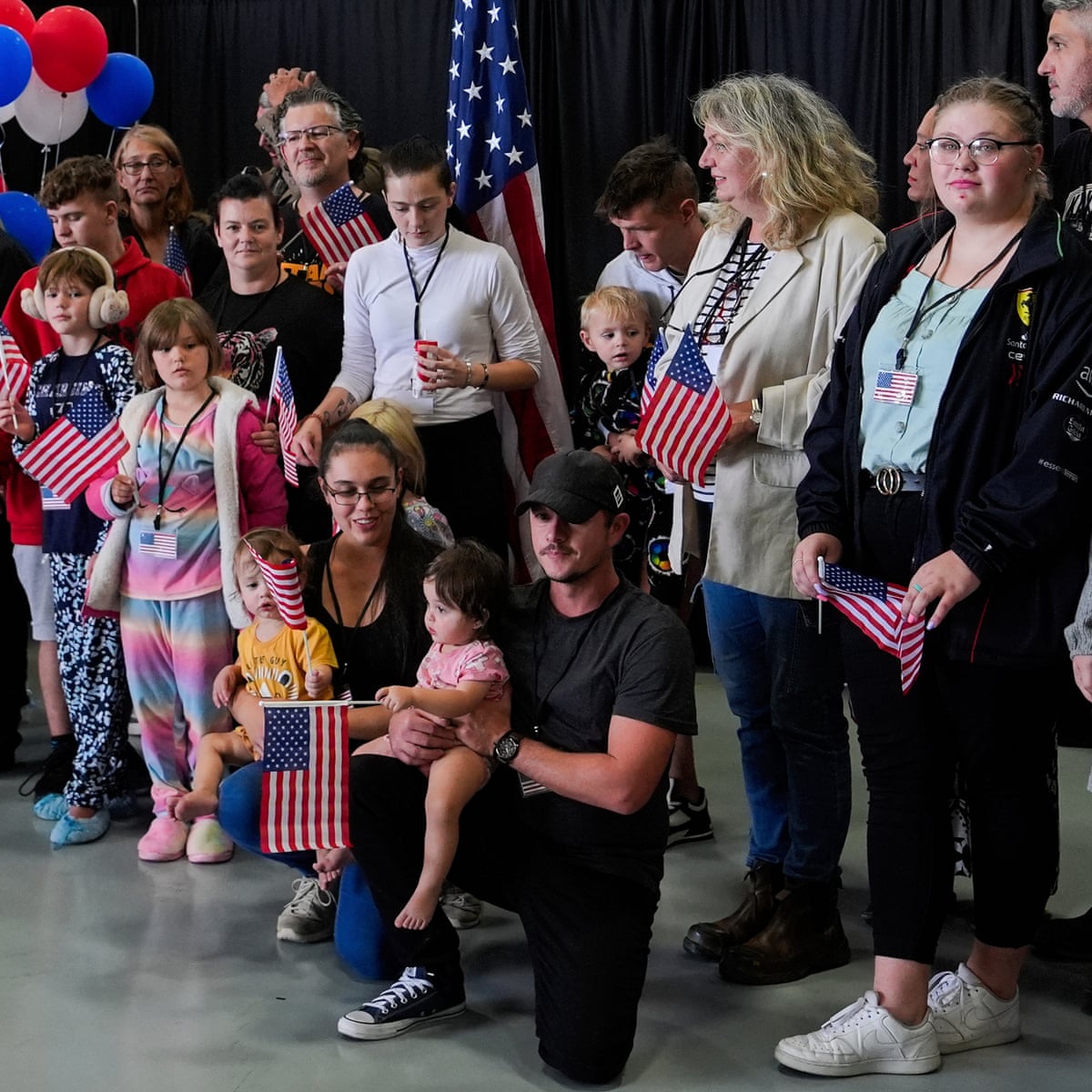
The investigation into President Trump’s claims regarding a "genocide" of white South African farmers reveals a complex landscape where political rhetoric often clashes with the nuanced reality of systemic crime. These assertions, which gained significant traction on the international stage, led the United States to expedite the resettlement of white South Africans—primarily Afrikaners—with nearly 2,000 refugees already accepted. At the heart of the controversy were videos cited by Trump depicting what he claimed were burial sites of over a thousand farmers. However, Daryl Brown, the farmer responsible for placing those crosses, clarified that they were intended as a temporary memorial to raise awareness, not as a mass grave. This disconnects between visual symbols, and their actual intent underscores the volatility of the narrative surrounding South African land ownership.
While the tragedy of farm attacks is undeniable, the motivation behind them remains a point of intense debate. Individual stories, such as the murder of Toli Nell and the brutal attack on Daryl Brown’s father, highlight the visceral fear residing in rural communities. Yet even those closest to the violence often push back against the "genocide" label; Renee Nell, Toli’s widow, expressed her belief that the attack on her husband was opportunistic rather than part of a coordinated ethnic cleansing. This sentiment is echoed by Johan Kotza, head of a major agricultural organization, who emphasizes that the primary issue is a breakdown in law and order affecting all citizens. Statistically, South Africa grapples with a murder rate seven times higher than that of the U.S., and the violence is far from one-sided. In the first quarter of 2025, five out of every six farm homicide victims were Black, suggesting that while farmers are vulnerable, they are not the sole targets of the country's surging criminality.
Related article - Uphorial Shopify
Deep-seated inequality and the legacy of apartheid continue to fuel the tensions surrounding land. Despite making up only 7% of the population, white South Africans still own 72% of privately held agricultural land. The economic divide is equally stark, with 44% of Black South Africans living in poverty compared to just 1% of white citizens. This disparity provides the backdrop for the 2024 land expropriation act, a controversial piece of legislation designed to redress historical discrimination by allowing the government to seize land without compensation. Currently stalled by legal challenges, the act has nonetheless stoked fears of state-sanctioned displacement. These anxieties are further inflamed by political rhetoric, such as the "Kill the Boer" song performed by politician Julius Malema, which critics cite as a direct call for violence against white farmers.
Ultimately, the portrayal of white South Africans as refugees in need of international rescue remains a divisive topic within the country itself. Max du Preez, a prominent Afrikaner journalist, has labeled the concept of "Afrikaner refugees" as absurd, suggesting it creates a hierarchy where white lives are prioritized over the millions of Black South Africans living in equally or more dangerous conditions. For many farmers like Daryl Brown, the solution isn't found in a plane ticket to America; despite the risks and the political firestorms, they maintain that South Africa is their home and have no intention of leaving. The situation remains a tragic intersection of historical trauma, economic desperation, and a desperate need for a functional justice system that protects all South Africans, regardless of race.