The architecture of human performance science, biomechanical inquiry, and boundary-pushing athletic innovation reaches a masterly, illuminating peak in an inside look at the Nike Sport Research Lab led by Chief Science Officer Matthew Nurse. Unpacking how modern sports engineering moves far beyond isolated materials testing to study the entire living athlete in motion, the presentation reveals how rigorous laboratory inquiry translates directly into historic breakthroughs on tracks, pitches, and courts worldwide. In an exceptionally detailed feature report and scientific chronicle, observers examine a research philosophy defined by a holistic systems-based approach merging biomechanics, physiology, and neuroscience, targeted investigations into why female athletes suffer elevated rates of ACL injuries, efforts to eliminate the hidden physiological penalty known as the "bra tax," the engineering synthesis behind the Breaking2 marathon project that delivered an unexpected four-percent leap in running economy, and a culture of continuous scientific debate dedicated to expanding human potential.
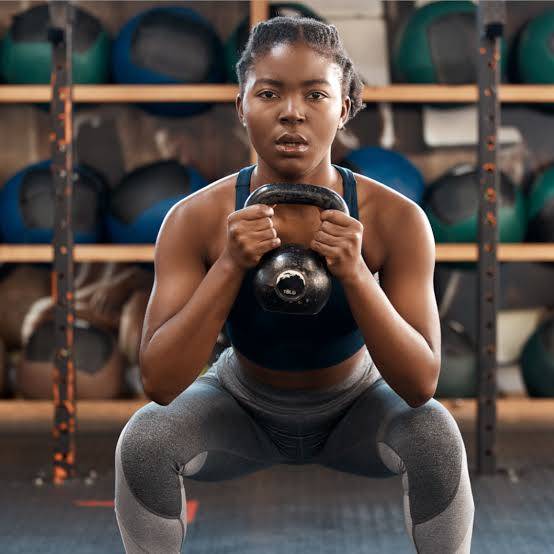
At the philosophical foundation of the lab’s work lies a decisive shift away from evaluating footwear or apparel in isolation, treating the athlete instead as an interconnected biological system. By integrating biomechanics, exercise physiology, and neuroscience under one roof, researchers examine how every millimeter of foam, seam of fabric, or shift in traction alters joint loading, energy expenditure, thermal regulation, and sensory feedback to the brain. Through emotional precision, watching scientists measure the subtle micro-adjustments of an athlete’s stride and nervous system exposes the quiet respect owed to the human body in motion, proving that meaningful innovation begins by listening to how real bodies move, fatigue, and adapt under pressure.

Related article - Uphorial Shopify

Central to the lab’s commitment to equitable athletic protection is an urgent focus on anterior cruciate ligament injuries, which affect female athletes at disproportionately high rates across cutting and jumping sports. Rather than accepting injury disparities as inevitable, Nurse and his team investigate a wide spectrum of contributing variables—spanning anatomical differences in bone geometry alongside neuromuscular habits and early motor development patterns—to uncover actionable interventions in footwear traction, movement mechanics, and training design that make sport safer for everyone.
Through intelligent curation of overlooked physiological burdens, the lab also confronts what researchers term the "bra tax"—the measurable energetic, thermal, and mechanical penalties female athletes absorb when restrictive or poorly ventilated sports bras trap heat and impede natural chest and respiratory mechanics. By quantifying how excess thermal load and movement restriction quietly drain endurance, engineers can design supportive gear that works with female physiology rather than forcing women to pay an invisible performance cost simply to compete.
Through a deep structural understanding of energy return and propulsion, one of the lab’s most celebrated triumphs emerged during the scientific push to break the two-hour marathon barrier. By carefully balancing dramatic weight reduction, responsive cushioning, and carbon-fiber plate stiffness, the research team unlocked an unexpected four-percent improvement in running economy—a generational leap in efficiency that helped turn one of distance running’s most elusive milestones into reality.
Strategic storytelling binds holistic systems biology, female ACL injury prevention, eliminating the physiological bra tax, and the four-percent marathon economy breakthrough into a cohesive portrait of applied athletic science.Through transformational framing, this chronicle of Matthew Nurse and the Nike Sport Research Lab transcends routine product-development narratives. It stands as an enduring scientific and sporting chronicle, proving that when rigorous biomechanical measurement, inclusive physiological inquiry, open scientific debate, and bold engineering synthesis align, a research laboratory rises beyond equipment manufacturing—becoming an engine for safer, fairer, and more extraordinary human achievement.