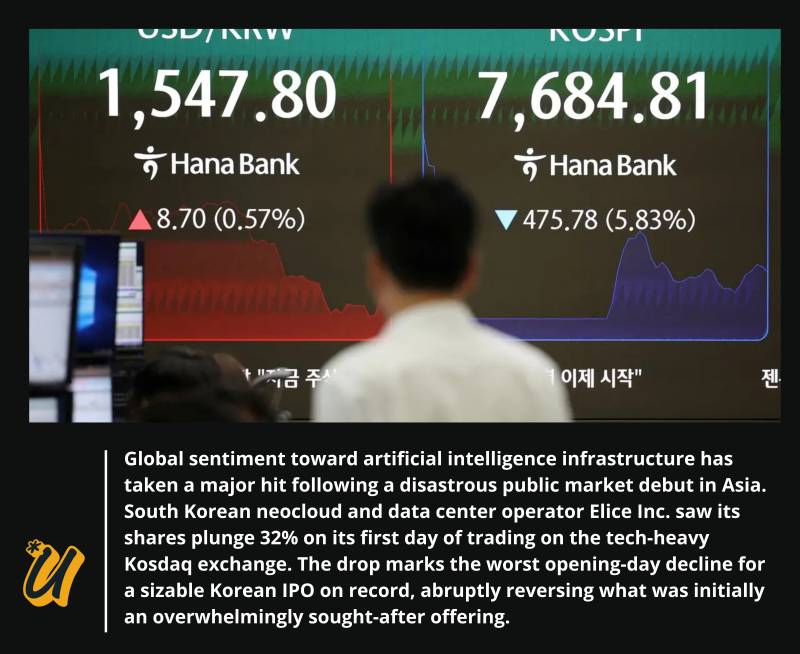
The final full trading week of 2025 has been marked by pronounced "AI anxiety" across the tech sector, with the NASDAQ 100 trading lower despite having more than doubled—up over 100 percentage points—since ChatGPT's debut in November 2022. On Bloomberg Technology, co-anchors Caroline Hyde in New York and Ed Ludlow in San Francisco navigated the nervous environment. As markets are "off our lows of the day" but still trading lower, Hyde asked whether investors were "doubling down or bracing". Ludlow noted the palpable nervousness around valuations, pointing out that Service Now was down over 10% and that people are "taking risk off" even in the crypto space.
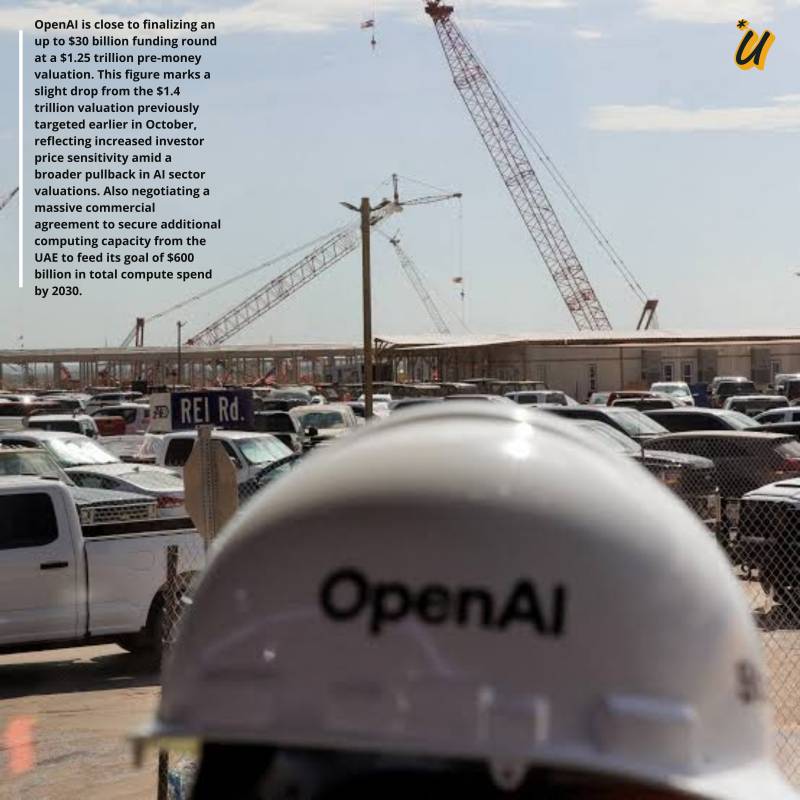
The core concern, as Hyde highlighted, is the possibility of an AI bubble. Wall Street is questioning when—or if—it will pop, leading to greater "skepticism and caution about valuations" and "growth prospects". Ludlow specifically identified the "eye of the storm" to include stocks associated with Open AI, such as Microsoft and NVIDIA—the "pinup for this year"—which have "taken a hit to market capitalization". The growing skepticism revolves around whether Open AI can "grow fast enough to meet these deals and obligations that it has announced". Conversely, companies connected to Alphabet and its Gemini AI play have been holding up in "better fashion".

The market is now demanding a return on massive AI infrastructure spending. Natalie Gallagher, an expert on an AI-powered enterprise planning platform, told Caroline Hyde that while 2025 was the year of infrastructure, 2026 needs to be a "proof to me moment," delivering "economic upside and productivity gains" to validate fundamentals. Although 55% of American workers report utilizing AI, this has yet to translate into meaningful productivity numbers in government, private, or university data. The first place this transformation will be visible is in corporate earnings reports, where meaningful gains are needed to "justify the valuations that are out there". The massive AI investment in 2025 has also acted as a "macroeconomic stabilizer" and anchor of growth. Should AI investment fail to deliver or see a pullback, the "economic implications are broad-based, well outside of tech".
Despite the general market pressure, M&A activity continues, driven by the need for enhanced AI and security capabilities. Caroline Hyde pointed to advanced talks involving Service Now to acquire IMAC cybersecurity for about $7 billion, which would be the company's biggest-ever deal and allow it to delve deeper into cybersecurity. This deal reinforces the idea that AI and security "go hand in hand". Intel, meanwhile, was up slightly amid talks to buy an AI chip startup for about $1.6 billion, positioning it to rival NVIDIA and AMD in the custom AI chip market. Amidst the volatility, Hyde and Ludlow noted that Tesla managed to hit a new record high, its first since December 2024, offsetting some of the broader AI concerns.
The discussion also expanded to the impact of technology on global sectors and policy, including the fierce competition in drug discovery. Hyde reported on Chai Discovery, an AI drug discovery company that raised $130 million to scale compute and talent. Co-led by General Catalyst, the funding reflects the belief that 2026 "will be the year of deployment" for AI in pharmaceuticals. The company's latest antibody model, Chai 2, achieved a stunning 15% to 20% success rate on antibody design tasks, a massive leap over the industry expectation that a 1% hit rate would constitute a breakthrough. This allows for the computational discovery of medicines previously thought impossible.
Finally, Caroline Hyde delved into immigration policy, reporting on the Trump administration’s new $100,000 fee on H-1B hires. California and 19 other states are suing to block the fee, arguing it will "worsen labor shortages" in critical sectors like healthcare, research, and education. The concern in the industry, as Hyde explored, is that such restrictive policies risk diminishing American innovation, with countries like China and Canada already releasing visas aimed at attracting high-skilled international tech workers in "direct response to the U.S. tightening immigration policies".