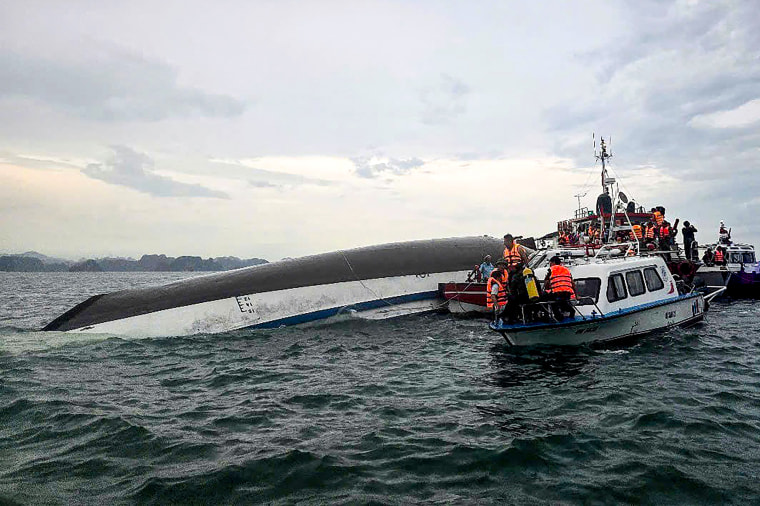
A boat ride in Vietnam is supposed to be serene. It’s the kind of experience sold to travelers as a brush with beauty, emerald waters, limestone karsts, the hum of a small engine over the tide. But for dozens of tourists this week, what began as an idyllic cruise turned into a nightmare. A tourist boat, carrying both local and international visitors, capsized in central Vietnam, leaving fatalities in its wake and raising difficult questions about safety, regulation, and the real price of chasing the perfect holiday.
In Vietnam, tourism is not just an industry, it’s an identity. From the bustling streets of Ho Chi Minh City to the tranquil landscapes of Ha Long Bay, millions visit each year. Tour guides wear warm smiles, boats are painted bright colors, and businesses strive to deliver unforgettable experiences. Yet beneath this image of seamless adventure lies an infrastructure strained by demand and, at times, lax in oversight.
Related article - Uphorial Podcast

Witnesses of the tragedy describe moments of confusion and chaos. The boat, overloaded by some accounts, began tilting rapidly. Life jackets were there, but not enough. Safety instructions were minimal, if given at all. As the boat flipped, cries for help echoed across the water, and for those who couldn’t swim, paradise turned into panic. But the tragedy is more than just the sum of its details. Behind every headline reporting death tolls and rescue efforts are individual stories, the honeymoon couple who boarded with dreams of adventure, the elderly local woman selling fruit at the harbor, watching helplessly as rescuers searched for bodies. One survivor, a young tourist from Europe, spoke softly to reporters: “It felt like a dream at first. Then it felt like drowning.” His words linger, heavy with trauma.
What’s shocking isn’t just the accident itself, but how familiar it feels. This isn’t the first time Vietnam’s tourism sector has been shaken by such a disaster. Nor will it likely be the last, unless meaningful change is prioritized over profit. Boats are frequently overbooked, safety drills are skipped, and maintenance is delayed in favor of maximizing the day’s tours. Regulations exist, but enforcement is inconsistent. Operators cut corners, not always out of greed, but sometimes out of survival. The competition is fierce. The tourists keep coming. And yet, it would be wrong to view this as solely Vietnam’s failure. It’s a global pattern, repeated from the beaches of Thailand to the gondolas of Venice. The world’s hunger for travel has exploded, and destinations struggle to balance safety with scale. Who bears responsibility when adventure becomes fatal? The company? The regulators? The tourists themselves? Questions swirl, answers drift further away.
In the aftermath, as bodies are pulled from the water and survivors are led ashore, the focus will soon shift to blame, and then inevitably, to silence. The cycle is cruel. But for the families who’ve lost loved ones, silence won’t come. Neither will peace. This tragedy forces a confrontation with uncomfortable truths: that tourism can both uplift and endanger; that every postcard-perfect moment often comes at unseen costs; and that behind every smiling tour operator may stand a business stretched too thin to guarantee safety. Vietnam will mourn. Temporary inspections may follow. Perhaps even new regulations. But whether change will truly come remains uncertain. For those who stepped onto that boat believing in the promise of adventure, the water carried more than dreams that day. It carried loss. It carried sorrow. And it demands that we, as travelers, demand better, not just from the places we visit, but from ourselves.