TUNIS - The Mediterranean basin has long served as a profound crossroads of empires, trade routes, and civilizations, leaving behind geological and cultural layers that continue to define the modern North African landscape. At the center of this historical convergence lies Tunis, a magnificent capital city whose urban fabric tells the epic story of Berber, Arab, Ottoman, and French influences meeting to form a unique, vibrant identity. In an exceptionally immersive, masterclass-level cultural exploration, travelers and historians pull back the curtain on the contrasting neighborhoods that compose this dynamic metropolis. Through emotional precision, intelligent curation, cultural understanding, strategic storytelling, and transformational framing, this comprehensive news-style report explores the labyrinthine alleys of the ancient Medina, the European elegance of the Ville Nouvelle, the sensory overload of the Marché Central, and the cosmopolitan coastal retreat of La Marsa.
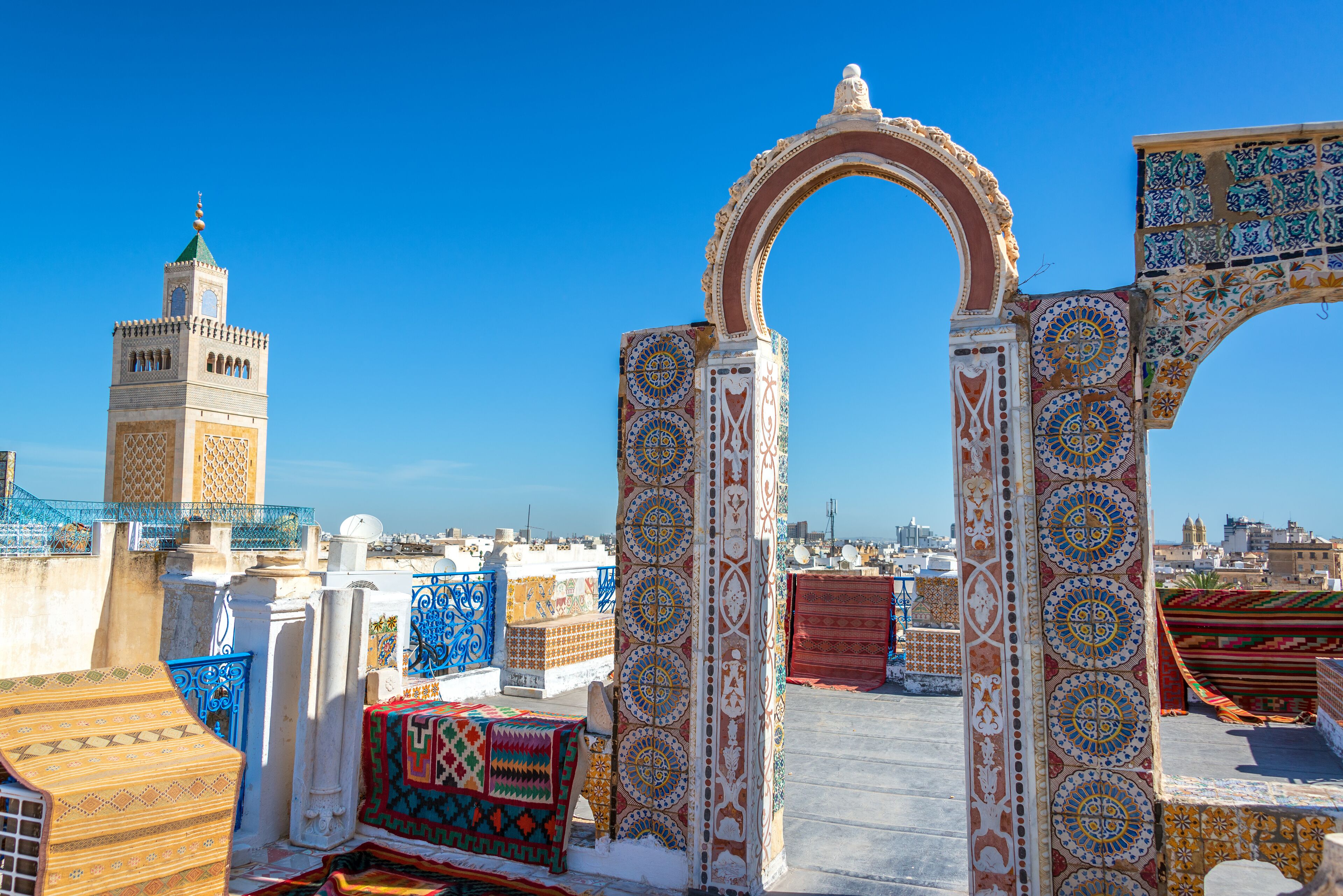
The geographical and spiritual heart of the capital is anchored within the ancient walls of the Medina, a UNESCO World Heritage site that beats with the enduring pulse of centuries past. Stepping into this historic core feels like crossing a portal into medieval North Africa, where an intricate maze of winding alleys, shaded passageways, and vaulted streets shelters a bustling world of traditional marketplaces known as souks. Here, artisans trade in spices, textiles, and intricate leather goods just as their ancestors did generations ago, surrounded by majestic historic mosques and tranquil communal bathhouses. Through emotional precision, the Medina captures the awe of the traveler confronting an unbroken continuum of human history, where ancient stone walls continue to shelter a thriving, living community rather than a sterile museum piece.
Related article - Uphorial Shopify

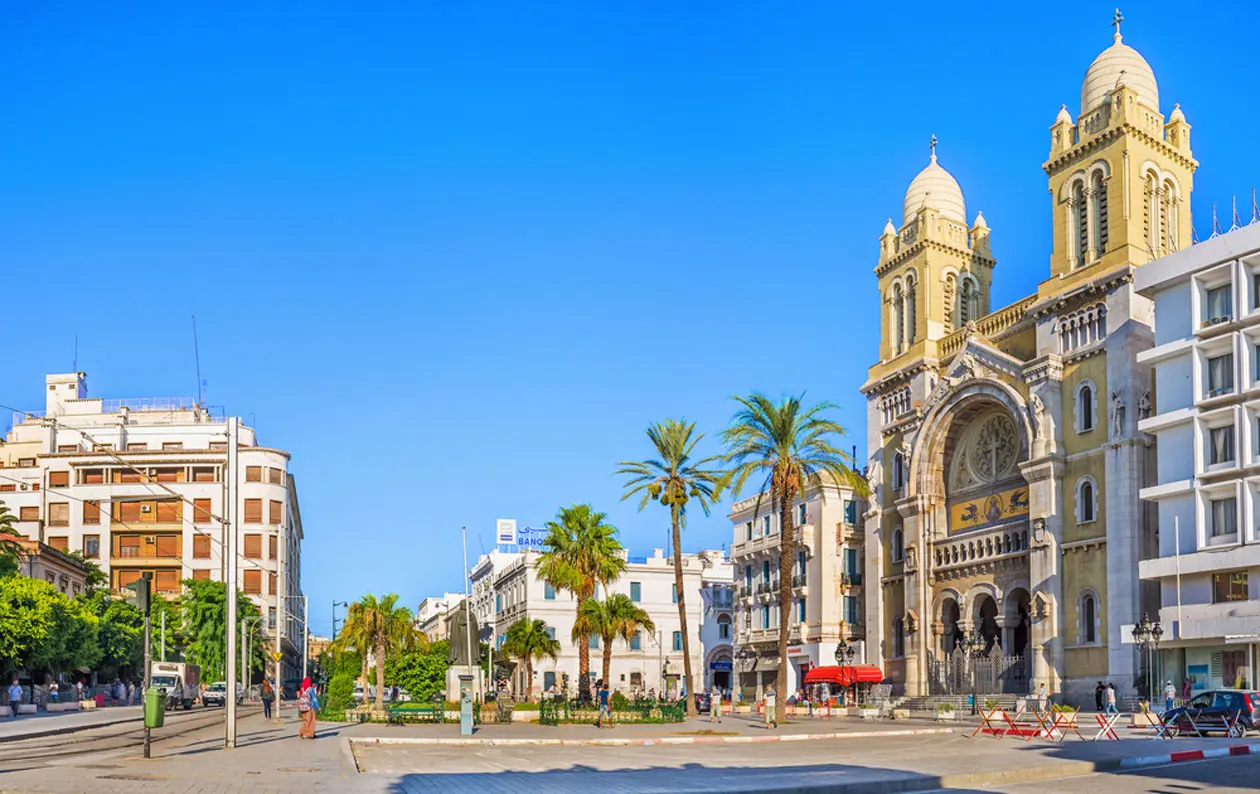
A sharp yet harmonious architectural pivot occurs just beyond the old gates, where the urban landscape transforms into the Ville Nouvelle, frequently referred to as the new city. Developed predominantly during the era of French colonial influence, this modern core showcases wide, sweeping, grid-like boulevards, grand open plazas, and distinctive European-style architecture that invites immediate comparisons to continental capitals. Featuring stunning examples of Art Nouveau and Art Deco buildings alongside bustling sidewalk cafes, the Ville Nouvelle represents a fascinating chapter in the city's evolution. Through intelligent curation of urban design, this contrast highlights how Tunis seamlessly absorbed foreign administrative frameworks without erasing its indigenous soul, creating a striking visual dialogue between East and West.
Plunging back into the vibrant rhythm of everyday local existence, the journey leads directly to the Marché Central, an indoor bazaar that serves as the visceral epicenter of Tunisian daily life. The market is an explosive sensory tapestry, offering an abundant bounty of fresh Mediterranean produce, aromatic mountains of exotic spices, and a deafeningly energetic fish market where local vendors loudly hawk the daily catch. Through cultural understanding of local commerce, the central market is revealed not merely as a place of trade, but as the pulsating social living room of the city, where the diverse threads of Tunisian society converge over shared flavors, daily gossip, and culinary traditions.
Escaping the urban density, the expedition winds its way toward the northern coast to explore La Marsa, an upscale coastal suburb that offers a remarkably modern, cosmopolitan, and distinctly European-influenced atmosphere. Here, the air is salt-kissed, the architecture opens up to expansive sea views, and locals gather to unwind along the promenade, enjoy the gentle Mediterranean breeze, and sample savory traditional street food by the water. Through strategic storytelling, La Marsrained transition from the chaotic, historic interior of the old city to the breezy, forward-looking aspirations of contemporary coastal living showcases a city completely comfortable in its multifaceted skin.
Throughout this sweeping urban traversal, the underlying theme remains clear: Tunis is a living masterpiece shaped by an extraordinary collision of Berber, Arab, Ottoman, and French forces. Every mosque minaret, French colonial facade, spice stall, and coastal villa contributes to a unique modern North African identity that refuses to be defined by any single conqueror. Through transformational framing, the exploration of Tunis is elevated from a simple travel itinerary into a profound meditation on cultural synthesis—proving that when a city embraces the full, complex spectrum of its layered history, it becomes an unstoppable beacon of heritage, resilience, and timeless human connection.