The architecture of civic restoration, archival reclamation, and public space transformation reaches a profound zenith in a landmark documentary capturing the grueling, heroic efforts to revitalize Nairobi’s historical library network. Emerging from decades of neglect, structural decay, and lingering colonial legacies, the journey follows a visionary team as they undertake the daunting task of reclaiming these public monuments for modern African citizenship. In an exceptionally luminous feature report and documentary analysis, chroniclers examine the intricate political, archival, and social realities governing urban space restoration. Breaking down complex municipal bureaucracy, the meticulous digitization of suppressed colonial records, the complete reimagining of library spaces into vibrant community hubs, and the high-stakes financial diplomacy required to sustain public investment, this news-style report explores a transcendent journey through persistence and cultural reclamation.
The narrative journey opens within the maze-like corridors of local government administration, where the project team confronts the delicate art of political navigation. Securing the necessary long-term management contracts, municipal approvals, and official legal backing requires maneuvering through shifting bureaucratic priorities, election cycles, and entrenched administrative skepticism. Through emotional precision, witnessing the quiet frustration of endless board meetings, stalled permits, and shifting political alliances evokes a visceral sense of anxiety—a stark reminder that transforming public infrastructure is rarely just a physical endeavor, but a grueling test of political endurance and institutional negotiation.
Parallel to the political struggle lies a monumental effort centered on archive preservation and historical decolonization. Facing rooms filled with decaying, long-neglected documents, the team dedicates countless hours to cleaning, cataloging, and digitizing fragile paper records that hold the complex history of East Africa. Beneath dust and physical decay, this painstaking work uncovers suppressed accounts, official correspondence, and hidden narratives from Kenya's colonial past—records that once reflected an exclusive white European perspective and strictly segregated civic life. Through intelligent curation of historical memory, converting these fragile physical papers into accessible digital archives transforms forgotten history into a living tool for public education, allowing a modern nation to directly confront and understand its colonial ghosts.

Related article - Uphorial Shopify
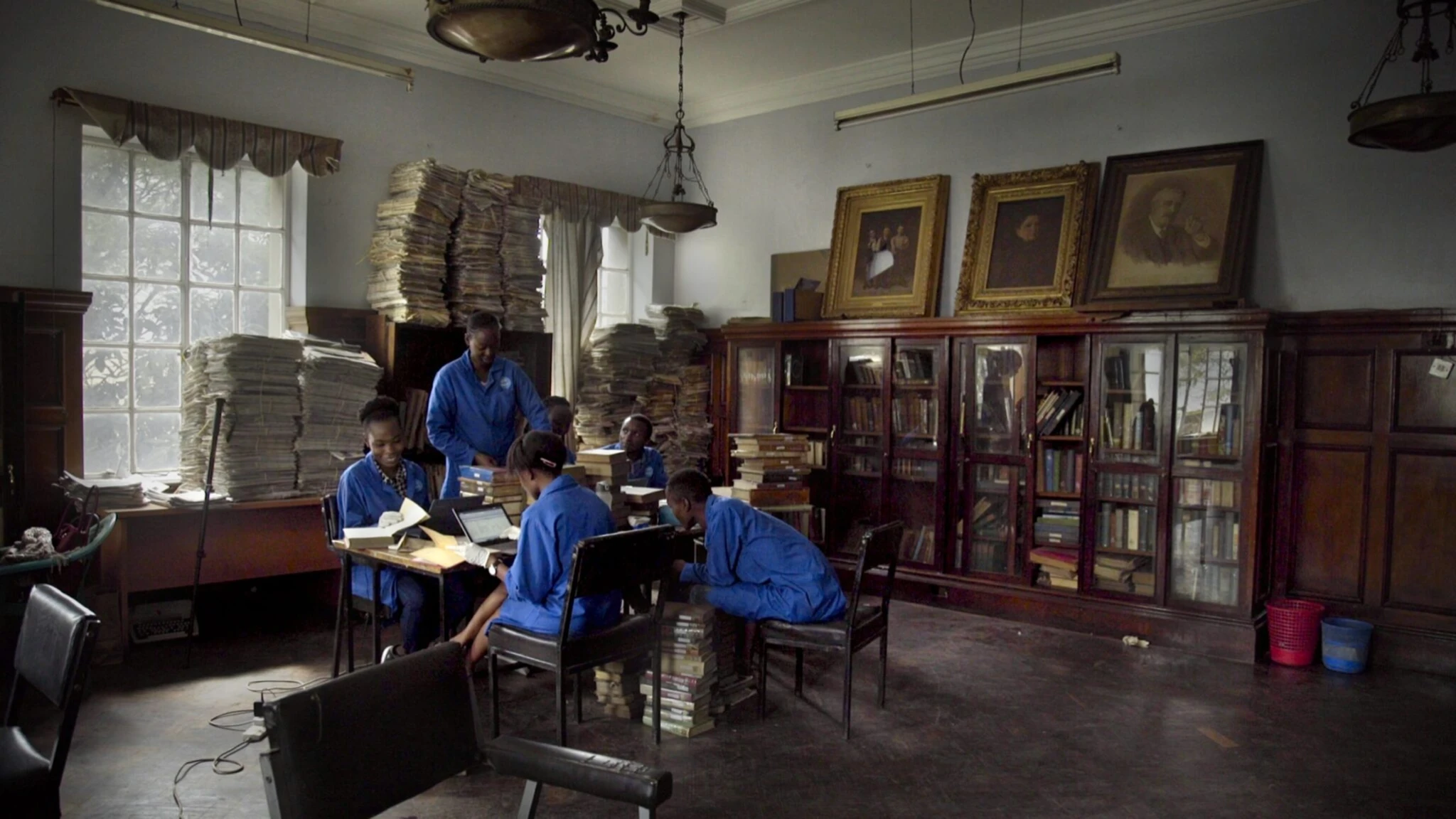
Beyond physical brick, mortar, and digitized pages, the core mission of the initiative surges forward through a radical redefinition of what a public library should be. Rejecting outdated Victorian models that enforced strict silence, isolation, and rigid social hierarchy, the team reimagines these historic structures as dynamic, participatory civic hubs. Through a deep cultural understanding of contemporary urban life in Nairobi, where youth seek spaces for artistic expression, collaboration, and community dialogue, the renovated spaces are engineered for engagement. The design incorporates children’s reading zones, creative performance areas, technology access points, and open gathering spaces, proving that public libraries can evolve into vibrant sanctuaries of joy, learning, and democratic connection.
Underpinning every structural hammer swing and archival scan is the relentless pressure of securing sustainable funding. Navigating a fragile financial landscape, the team engages in high-stakes fundraising campaigns, combining institutional partnerships, international philanthropic grants, and community-driven initiatives to raise the millions required for complete restoration. Strategic storytelling frames this financial tightrope walk not merely as a budget battle, but as a compelling test of public-private stewardship, showing how passionate civic leadership can leverage strategic alliances to safeguard vital public assets without surrendering community ownership.
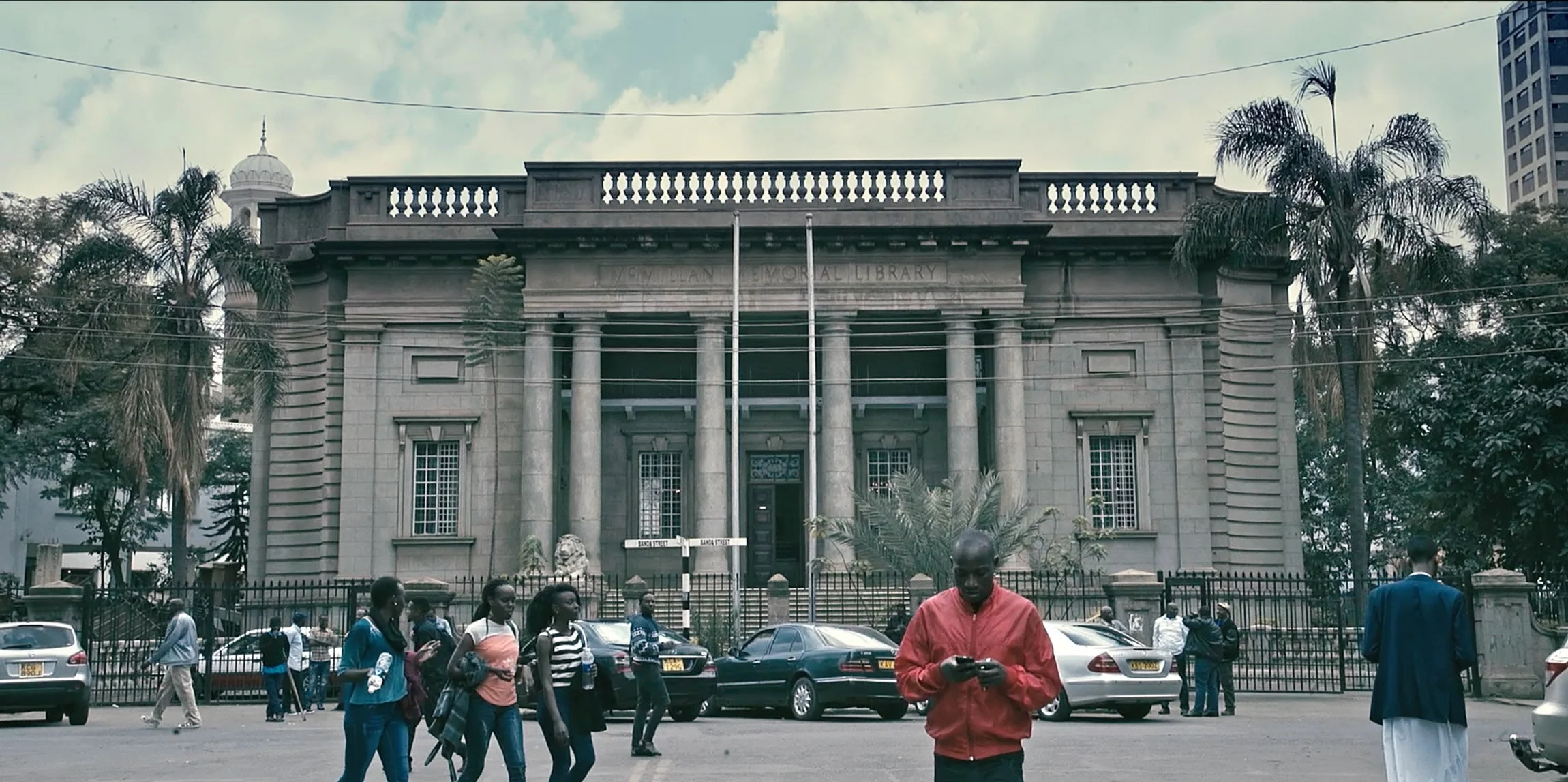
The documentary’s conclusion delivers a powerful, triumphant testament to the resilience of human conviction and community solidarity. As newly restored reading rooms fill with students, researchers, artists, and families, the physical transformation mirrors a deeper spiritual rebirth for the city. The persistent effort required to reclaim these neglected buildings demonstrates that public spaces belong to the people who inhabit them, serving as living monuments to collective memory and future possibility.
The comprehensive evaluation of this library restoration initiative offers a visionary re-evaluation of urban heritage, historical memory, and civic responsibility across the global south. Proving that true urban development requires an equal balance of political courage, archival integrity, community inclusivity, and financial innovation, this journey sets an inspiring benchmark for public space reclamation. Through transformational framing, this deep dive into Nairobi's library project transcends a standard architectural documentary; it stands as a brilliant milestone, proving that when historical truth, democratic access, and unyielding persistence align, public spaces become immortal engines for human dignity and generational empowerment.