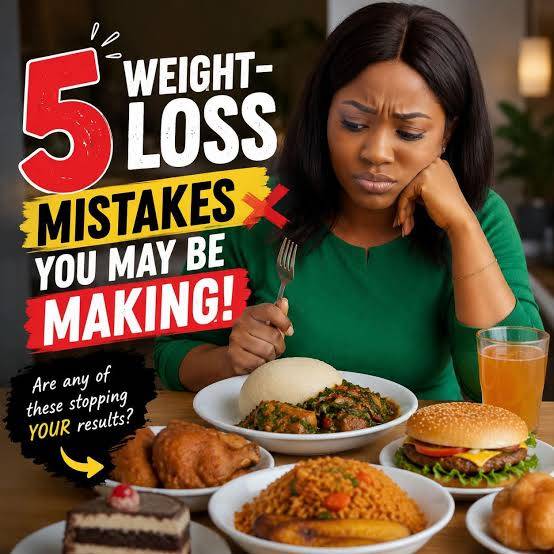
The physiological mechanics of weight management present one of the most complex, misunderstood frontiers in modern health science, regularly obscured by simplistic societal mantras. Within the realm of clinical biology and anatomical education, human metabolic processes demonstrate that sustained weight loss involves far more than simply attempting to force a balance between calorie intake and expenditure. In an exceptionally luminous, masterclass-level medical and physiological feature report, health educators and metabolic researchers examine the intricate internal systems governing body composition through the educational work of the Institute of Human Anatomy. Breaking down the biological defense mechanisms triggered by caloric deficits, the hormonal network regulating hunger and satiety, the subtle drop in daily non-exercise energy burn, and sustainable lifestyle strategies, this comprehensive news-style report explores a transcendent journey into human survival biology. Through emotional precision, intelligent curation, cultural understanding, strategic storytelling, and transformational framing, this piece captures the evolutionary intelligence of the human body.
The biological investigation begins by reframing the fundamental thermodynamic equation of weight loss, dismantling the myth that stubborn weight reflects personal failure or a lack of willpower. While establishing a consistent caloric deficit remains a necessary physiological prerequisite for fat loss, the human body views this energy imbalance not as an aesthetic goal, but as an existential threat to survival. Rooted in millennia of evolutionary adaptation, the organism deploys powerful hormonal countermeasures to defend stored energy reserves. As fat stores shrink, adipose tissue reduces its secretion of leptin, effectively signaling to the hypothalamus that energy reserves are depleting. Simultaneously, circulating levels of ghrelin, the primary hunger-stimulating hormone released by the stomach, frequently rise. Through emotional precision, experiencing the sudden, overwhelming wave of phantom hunger and constant food fixation during a prolonged diet evokes a profound, humbling realization—a stark reminder that we are riding against millions of years of deeply embedded survival programming designed to keep us alive.
This complex neuroendocrine dialogue centers within the hypothalamus, the master regulatory hub orchestrating appetite, energy balance, and metabolic speed. In individuals navigating chronic obesity, this communication network encounters severe disruption through leptin resistance, where elevated circulating leptin fails to deliver satiety signals to the brain, leaving the body in a perpetual state of perceived starvation. Conversely, gut-derived satiety peptides such as glucagon-like peptide-1 (GLP-1) play a vital role in slowing gastric emptying and signaling fullness to central neural pathways. Through intelligent curation of endocrine science, analyzing these pathways reveals why modern pharmacological interventions mimicking gut hormones have reshaped metabolic medicine, offering a targeted mechanism to bypass disrupted signaling pathways and restore appetite regulation.

Related article - Uphorial Shopify

Beyond hormonal appetite shifts, the body executes a subtle, highly effective defense strategy by systematically reducing its total daily energy expenditure. While total calorie burn consists of resting metabolic rate, the thermic effect of digested food, and active physical exercise, the body frequently targets Non-Exercise Activity Thermogenesis (NEAT) to conserve energy. During a sustained calorie deficit, the nervous system subconsciously curtails spontaneous daily movements—such as fidgeting, posture maintenance, gesticulation, and incidental walking. Through cultural understanding of modern sedentary environments, this subconscious reduction in NEAT explains why many dedicated individuals hit frustrating plateaus despite maintaining strict exercise routines, as the body silently downregulates background physical activity to offset the intentional workout burn.

Navigating this biological pushback requires abandoning extreme, aggressive dieting protocols in favor of strategic lifestyle modifications that work alongside human physiology rather than against it. On the nutritional front, prioritizing dense protein sources, high-fiber intake, and high-volume whole foods provides the necessary physical stretch within the stomach and chemical signals required to trigger satiety hormones. Furthermore, optimizing sleep duration and mitigating chronic stress are essential pillars, as elevated cortisol levels and sleep deprivation disrupt ghrelin and leptin balance, degrading cognitive control and elevating intense cravings. Regarding physical activity, exercise must be approached as a tool for cardiovascular health, lean tissue preservation, and overall metabolic vitality rather than a brute-force method for burning calories, given that energy expenditure during workouts is often far lower than popular tracking devices suggest.
When weight loss stalls, understanding adaptive physiology protects individuals from falling into cycles of frustration or self-blame. A plateau does not indicate a broken metabolism or a damaged physiological engine; rather, it reflects a smaller, lighter body requiring fewer total calories to maintain its new baseline mass. Through strategic storytelling, the journey toward lasting health shifts from a chaotic battle against one's own anatomy into a deliberate, long-term collaboration with human biology—learning to adjust energy intake with patience and precision.
The comprehensive analysis culminates in a visionary re-evaluation of modern metabolic health and physical transformation. Rejecting oversimplified, punitive narratives around body weight, the anatomical breakdown proves that true wellness is achieved when scientific literacy replaces shame. Through transformational framing, this deep dive into the physiological complexities of weight loss transcends a standard health guide; it stands as a brilliant milestone of medical education, proving that when humanity approaches the body with scientific clarity, empathy, and sustainable strategy, physical health becomes an achievable, lasting reality.