The scientific community is currently witnessing a profound shift in its understanding of the "nightly cinema" that plays out behind closed eyes. In a landmark discussion, sleep psychologist Dr. Shelby Harris and neuroscientist Dr. Patrick McNamara have bridged the gap between clinical observation and evolutionary theory, offering a comprehensive look at the mechanisms of Rapid Eye Movement (REM) sleep. As the 2026 global conversation on mental health turns increasingly toward the optimization of cognitive function, the work of Harris and McNamara highlights a critical reality: dreaming is not merely a byproduct of rest, but a high-octane biological process essential for human survival and innovation.
The core of the discussion centers on the "Physiology of REM Sleep," a state characterized by a startling paradox. Every 90 minutes, the human body enters a phase of total physical paralysis known as atonia. This temporary shutdown of the motor system serves as a protective barrier, preventing the individual from physically acting out the narratives of their dreams. However, while the limbs are immobilized, the brain enters a state of hyper-activation. Neuroimaging suggests that during REM, certain regions of the brain are significantly more active than they are during waking hours. This internal intensity marks a distinct neurological shift where the brain, liberated from the input of the external world, turns its full processing power toward the landscape of the mind.
For decades, the "Theories on Dreaming" were dominated by the classical psychoanalytic models of Sigmund Freud and Carl Jung. These traditional views prioritized the symbolic interpretation of dreams, treating them as windows into repressed desires or the collective unconscious. However, Dr. Harris notes that modern neuroscience has largely moved toward a more functional, "filing system" model. In this view, dreaming is the brain’s way of sorting through the vast data collected during the day. This "filing cabinet" theory suggests that dreams are the mechanism by which the brain decides what information is consolidated into long-term memory and what irrelevant "noise" is discarded. This cognitive pruning is vital for maintaining mental clarity and preventing information overload in an increasingly complex world.

Related article - Uphorial Shopify

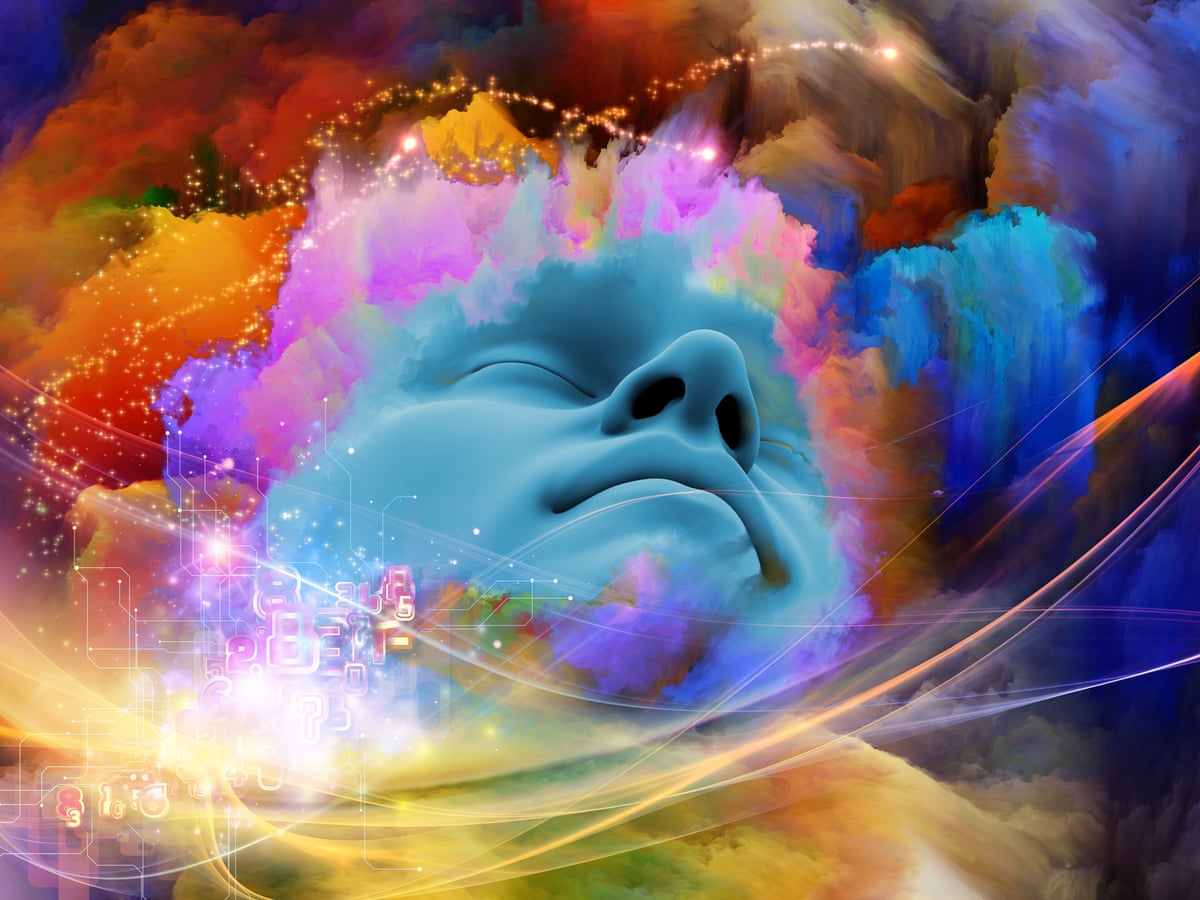
Dr. Patrick McNamara takes this functional view a step further, arguing for the evolutionary necessity of the dream state. He posits that REM sleep was a primary driver in the development of human cognition. By facilitating "dissociative states"—moments where the mind is fluid and detached from reality—and "associative states," where the brain combines seemingly unrelated ideas, dreaming creates a unique laboratory for innovation. This mental fluidity allows for the kind of creative problem-solving and "outside-the-box" thinking that has historically defined human success. Without the chaotic, boundary-less environment of a dream, the human ability to innovate and adapt to new threats might never have evolved to its current sophisticated level.
Despite the clear biological and evolutionary benefits of dreaming, both experts express a shared concern: modern society has lost its "reverence" for the sleep state. In many traditional and ancient cultures, dreams were treated as sacred sources of wisdom and guidance. In contrast, the high-speed, productivity-obsessed culture of 2026 often views sleep as a luxury or a mere biological necessity. Dr. Harris and Dr. McNamara argue that by reclaiming a sense of respect for our dreams, we could unlock new ways of addressing "unknown unknowns"—complex problems that require intuitive, non-linear solutions.
Ultimately, the science of dreaming is presented as an invitation to engage more deeply with our own biology. Reclaiming the dream state is not just about getting better rest; it is about tapping into a fundamental cognitive resource. As we continue to navigate the challenges of the modern era, the insights of Dr. Harris and Dr. McNamara serve as a reminder that the solutions to our most difficult problems may not be found in our waking hours, but in the visionary, high-activity world of REM sleep. By honoring the mystery of the night, we may find the creativity and resilience needed for the day.