NEW YORK – In a world increasingly defined by high-intensity fitness trends and digital overstimulation, a resurgent interest in the ancient Chinese martial art of Tai Chi is offering a compelling counter-narrative for physical and mental longevity. A newly released comprehensive guided practice, specifically tailored for beginners, has begun circulating as a definitive roadmap for those seeking to cultivate balance, stability, and a grounded sense of self. Far from being a mere series of slow-motion movements, the practice is framed as a sophisticated internal technology, utilizing breath, intention, and precise structural alignment to create a sustainable physiological experience that resonates well beyond the training mat.
The foundational philosophy of this modern approach to Tai Chi centers on the transition from external choreography to internal awareness. The session begins with a rigorous focus on grounding and stillness, a phase that many modern practitioners find the most challenging yet rewarding. By engaging in deep, intentional breaths, the student is guided to connect with their "midline"—an anatomical and energetic center that serves as the anchor for all subsequent movement. This initial period of stillness is not passive; it is an active engagement with the body’s vertical axis, designed to settle the nervous system and prepare the mind for the subtle shifts in weight and energy that define the art.
As the practice transitions from stillness into motion, the instructor introduces a series of classic "loosening" exercises. These movements are essential for dismantling the chronic tension that often plagues the modern physique. The core of this phase involves the mastery of weight distribution, specifically the concept of "full" and "empty" sides. By consciously shifting the body’s mass from one leg to the other while rotating the hips and waist, the practitioner facilitates a fluid flow of energy. This rotational movement is described as the "engine" of Tai Chi, ensuring that power is generated from the ground and transmitted through a relaxed torso rather than through muscular strain in the shoulders or arms.

Related article - Uphorial Shopify
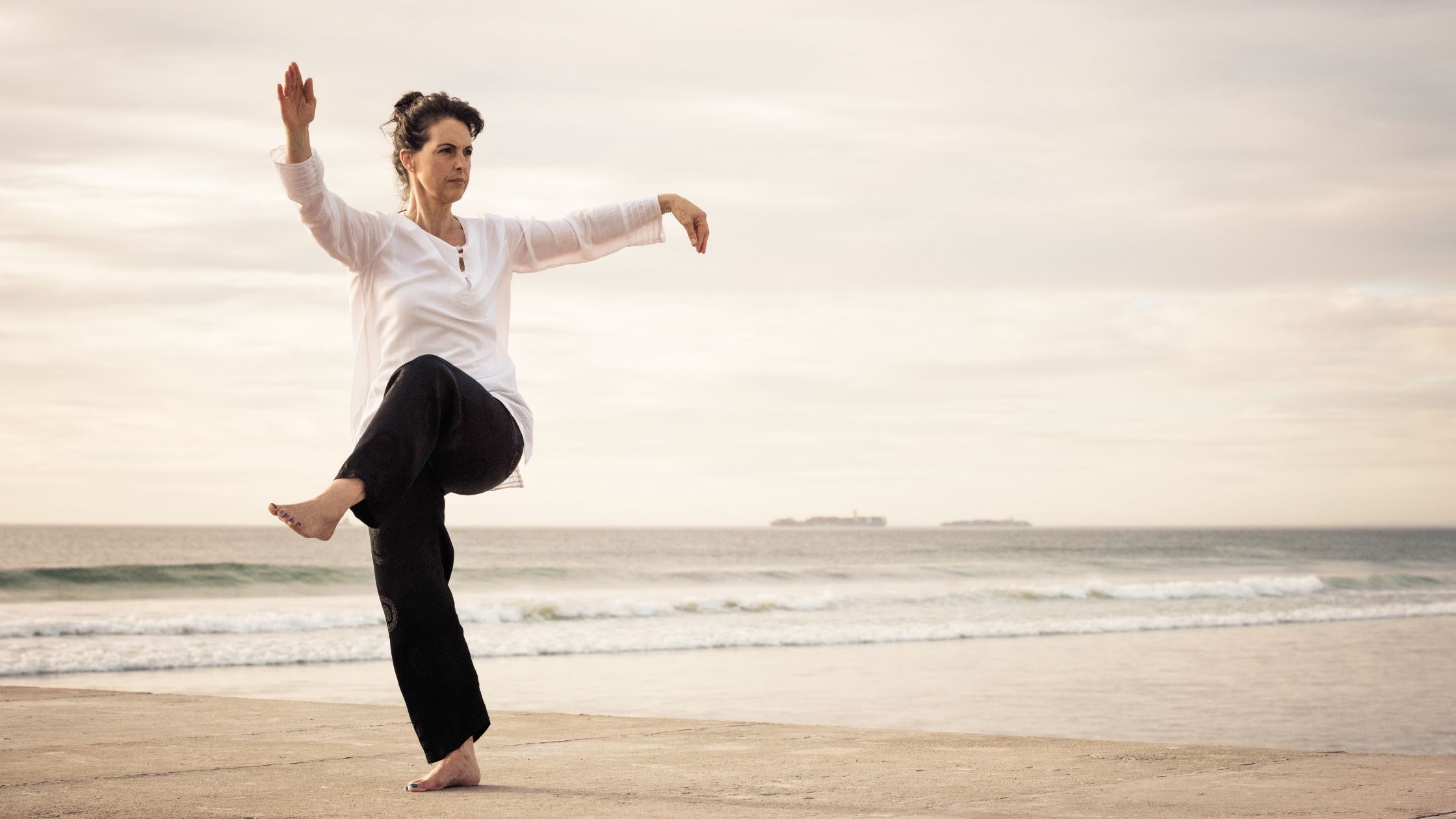
The technical heart of the session delves into the specific principles of the Chen Style, one of the oldest and most structurally robust lineages of Tai Chi. The instructor introduces the concept of Kaiho—the rhythmic opening and closing of the body’s joints and cavities. To make these abstract concepts accessible to the beginner, the "beach ball" exercise is utilized as a primary teaching tool. This visualization allows students to feel the foundational "Eight Gates" or energies of Tai Chi. Specifically, the practice focuses on Pong (an expansive ward-off energy), G (a forward-moving press), and On (a sinking or downward press). By imagining the resistance and buoyancy of a ball held between the hands, the student begins to understand that Tai Chi is a study of pressure, space, and the relationship between the body and the gravity acting upon it.
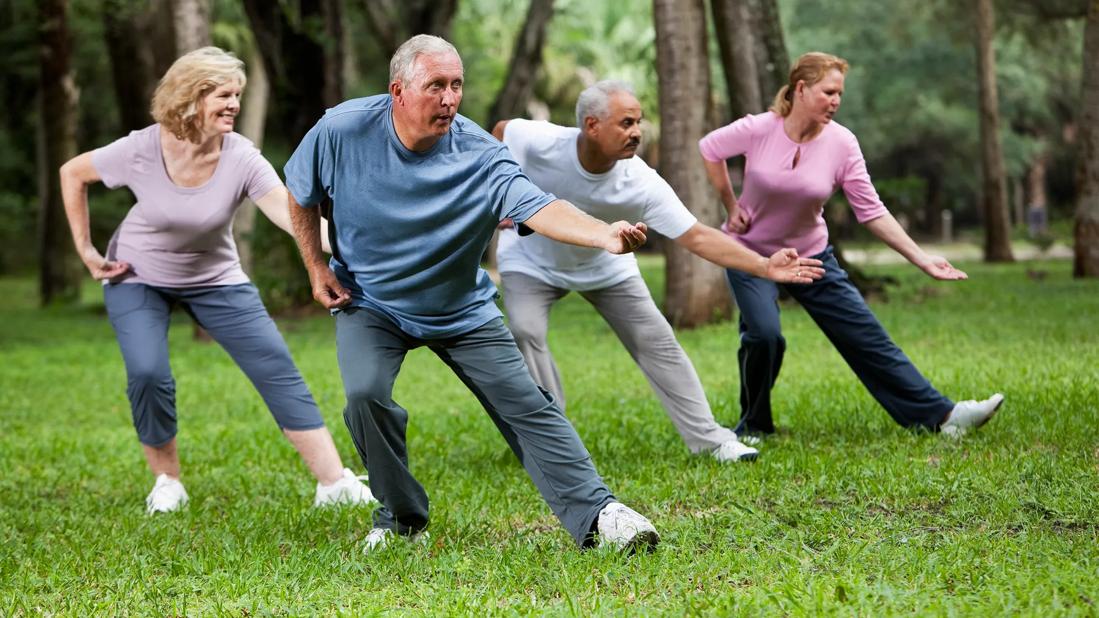
As the sequence reaches its physical crescendo, the movements become more expansive with the introduction of "whirling arms." These circular motions are designed to move energy over the shoulders and through the fingertips, clearing out stagnation and improving the range of motion in the upper body. Unlike traditional calisthenics, these arm movements are dictated by the movement of the waist, reinforcing the principle that the limbs are merely extensions of the core. This integration of the whole body ensures that the practice remains a "moving meditation" rather than a fragmented workout, fostering a sense of biological unity that is often lost in more specialized athletic pursuits.
The session concludes with a return to the quietude of the beginning, though the body is now transformed by the preceding movement. The final phase involves grounding breaths and a focused meditation on specific body sensations, specifically the states of Song (release/looseness) and Jung (settledness/equilibrium). This closing sequence is vital for "banking" the physiological benefits of the practice, allowing the practitioner to carry the sense of internal alignment into their daily life. The instructor emphasizes that the ultimate goal is not the mastery of a complex form, but the development of a deeper connection to one’s own body mechanics and the cultivation of a resilient, adaptable spirit.
Ultimately, this guided Tai Chi practice stands as a testament to the enduring relevance of traditional wisdom in 2026. By prioritizing feeling and intention over the "perfect" execution of choreography, the program empowers the individual to become their own best teacher. As participants move through the sequences of opening, closing, pressing, and sinking, they are doing more than just exercising; they are participating in a thousand-year-old dialogue between the human form and the forces of nature. For the modern beginner, this journey toward longevity and balance begins with a single, intentional breath and the willingness to find stillness in the midst of a moving world.