JEDDAH - The desert night air in Jeddah, Saudi Arabia, held its breath as the canvas of the squared circle prepared to absorb the raw weight of ambition, grief, and redemption. When Anthony Joshua stepped through the ropes for his high-stakes heavyweight showdown against Kristian Prenga, the atmosphere was thick with the invisible gravity of a career standing on the absolute precipice. Modern professional boxing is frequently marketed as a sterile theatre of athletic metrics and corporate pay-per-views, yet beneath the promotional veneer lies an unforgiving psychological crucible. The events that unfolded beneath the stadium lights transformed a routine promotional hurdle into an unforgettable epic of human resilience, exposing the delicate margins that separate total humiliation from historic triumph.
The contest commenced with a degree of chaotic intensity that instantly shattered any pre-fight expectations of a measured, tactical procession. Joshua, carrying the heavy psychological baggage of a turbulent personal chapter and the intense spotlight of an impending mega-fight, found himself immediately thrust into the fires of adversity. Within the opening moments of the first round, the match dissolved into pure carnage. Prenga, seizing upon a momentary lapse in defensive coordination, uncorked a devastating sequence of punches that sent Joshua crashing heavily to the canvas twice within a single three-minute stanza. The stadium stood paralyzed as a former two-time unified heavyweight champion struggled to steady his legs against the ropes, a shocking spectacle that placed his entire athletic future under immediate, unforgiving scrutiny.
It was a chaotic opening that tested the deepest fibers of Joshua’s professional character. In the high-stakes ecosystem of elite heavyweight boxing, a fighter’s true measure is rarely revealed when they are dominating from the center of the ring; it is exposed in the dark moments when they are flat on their back, listening to the referee's count while the roar of the crowd turns into a deafening swell of doubt. Commentators watching from ringside could scarcely believe the unfolding disaster, noting how close the British star came to seeing his multi-million-dollar future vaporize in the span of a single round. Yet, it was precisely at this junction that intelligent curation of his vast experience took over. Surviving the remainder of the first round required more than just physical toughness; it demanded an extraordinary exercise of emotional precision—keeping panic at bay while a hostile momentum threatened to swallow him whole.
Related article - Uphorial Shopify

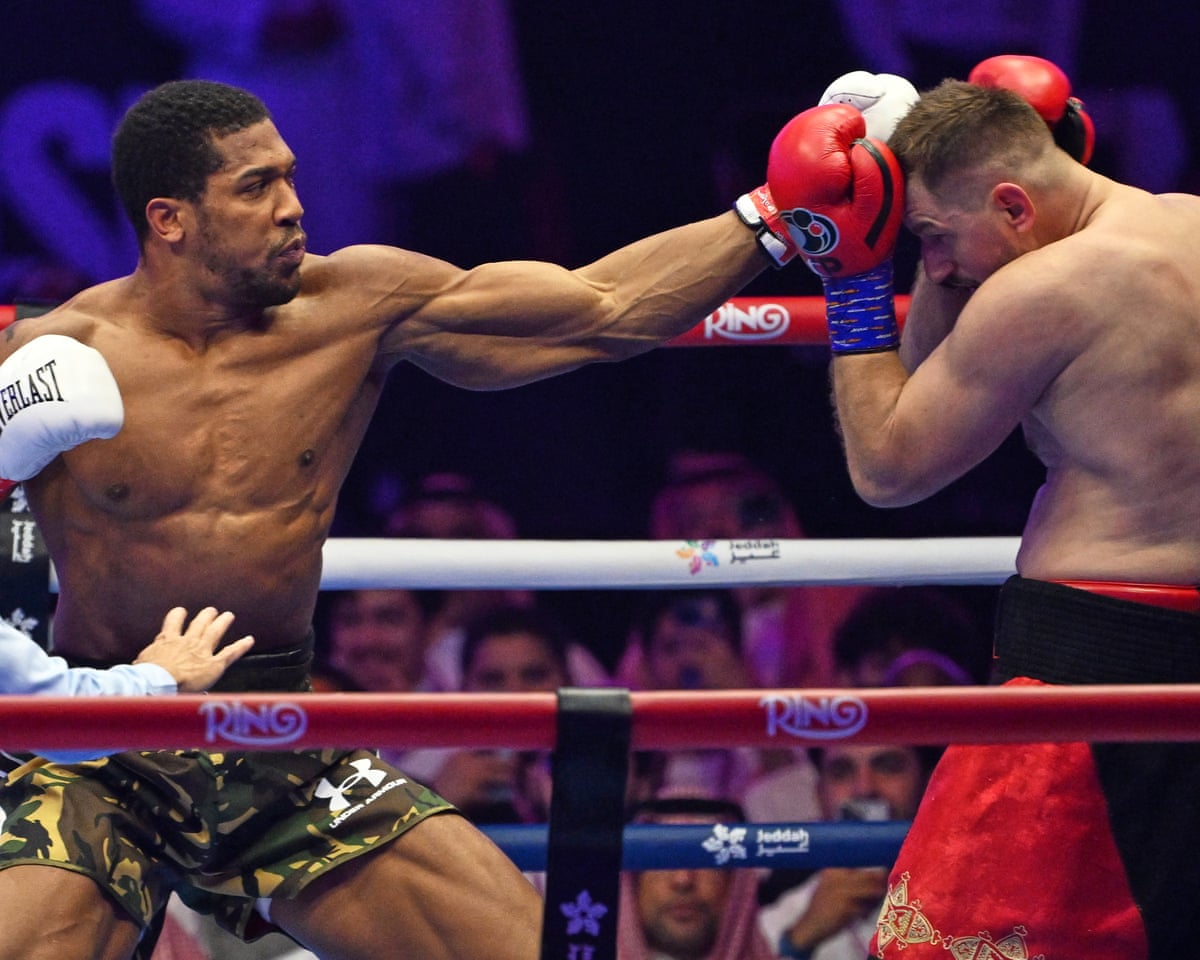
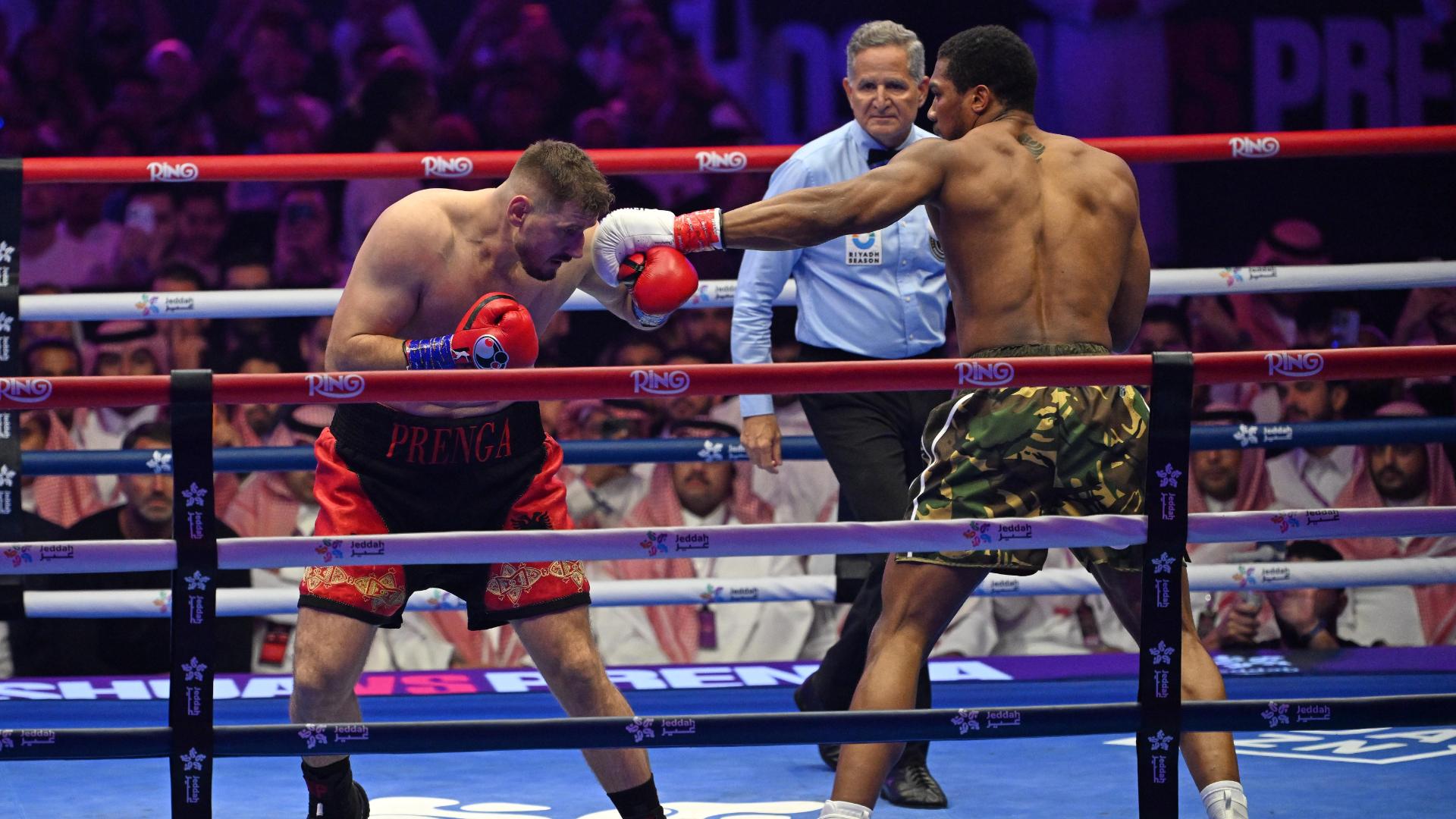
Between the first and second rounds, the corner became a sanctuary of calm amidst a storm of external panic. Drawing upon deep wells of resilience, Joshua underwent a complete tactical reset. Abandoning any lingering hesitation, he stepped out for the second stanza with a renewed sense of purpose and calculated aggression. The structural flaws that had left him vulnerable moments earlier were momentarily cast aside as he began to dictate the distance, utilizing a sharp, authoritative jab to pierce Prenga’s defenses and push the challenger onto the back foot. The emotional tide of the arena shifted perceptibly; the vulnerability of the opening minutes evaporated, replaced by the cold, calculated execution of a veteran master hunter finding his rhythm.
The climax arrived with sudden, explosive finality. Sensing that his opponent was beginning to wilt under the sustained pressure, Joshua uncorked a blistering, pulverizing right hand that landed with devastating force. The blow bypassed Prenga's guard entirely, instantly scrambling his senses and folding him onto the canvas, trapped awkwardly in the ropes as the referee immediately waved off the contest. Securing this dramatic knockout victory at 2:43 of the second round, Joshua earned his milestone 30th professional win in a fashion that defied belief. It was a monumental sigh of relief echoing across the global boxing landscape—a cathartic release of personal and professional pressure that salvaged not only the evening, but the massive anticipation surrounding his trajectory.
Yet, beneath the immediate euphoria of the stoppage, the fight offered a sobering analytical takeaway that experts and pundits dissected long after the lights went down. While Joshua’s ability to recover and finish the fight showcased his legendary championship heart, the bout laid bare lingering defensive vulnerabilities and a concerning susceptibility to heavy power shots in the opening exchanges. To survive against the absolute elite division tier, those early defensive lapses cannot be repeated. The victory, though definitive on paper, served as a timely reminder that at the highest level of heavyweight combat, a single momentary lapse in concentration can bring a fighter to the absolute edge of disaster.
Ultimately, this unforgettable night in Saudi Arabia transcends standard sports reporting through a transformational framing of athletic redemption. For Joshua, this victory was not merely about a statistic or a stepping stone toward future mega-fights; it was a profound emotional reclamation. Having navigated immense personal grief and crushing career pressures in the months leading up to the bout, walking through the fire of two early knockdowns and emerging victorious proved that his internal drive remains unbroken. As the dust settled over the arena and the boxing world turned its collective gaze toward the horizon, Anthony Joshua stood tall once more—bruised, tested, but fundamentally un-denied.