In the high-pressure environment of 2026’s travel landscape, the airport lounge has transcended its origins as a simple waiting area. It has evolved into a strategic outpost for the modern traveler—a sanctuary of order in an increasingly chaotic global transit network. Travel expert Jeb Brooks, in his recent definitive guide, 10 US Airport Lounges Actually Worth Your Money in 2026, provides a masterclass in discerning which of these spaces offer genuine utility and which are merely gilded cages for the frequent flyer. His analysis is grounded in a rigorous seven-point evaluation, measuring spaces not just by their aesthetic, but by their exclusivity, crowd management, amenity depth, and the fundamental quality of their culinary offerings.
The top of Brooks’ hierarchy is occupied by the Delta 1 Lounge at New York’s JFK, a facility that recalibrates the expectations of airport luxury. It succeeds by offering an uncompromising holistic experience, featuring a high-end restaurant and a dedicated wellness area that addresses the physical toll of long-haul transit. Close behind in the rankings is the United Polaris Lounge at Newark, a facility distinguished by its massive footprint and panoramic runway views. Brooks highlights its formal dining room as a standout feature, positioning it as an essential stop for those who view transit as an opportunity for sustained productivity rather than mere waiting.

Related article - Uphorial Shopify
The geography of quality, however, is not confined to the traditional coastal hubs. Brooks identifies the Chase Sapphire Lounge in Philadelphia as a uniquely innovative space, notable for its localized character—specifically its beer garden, arcade, and high-end spa facilities—which provide a rare sense of regional identity. Similarly, the Soho Lounge at JFK Terminal 8, a collaborative effort between American Airlines and British Airways, is lauded for its glamorous, sophisticated design, illustrating a successful fusion of two distinct international travel philosophies. For the traveler navigating the domestic network, the United Club in Denver is singled out for its ambitious, three-level design that manages to cultivate a cozy, Colorado ski-chalet ambiance, complete with craft beer offerings that anchor the traveler in the spirit of the Rockies.
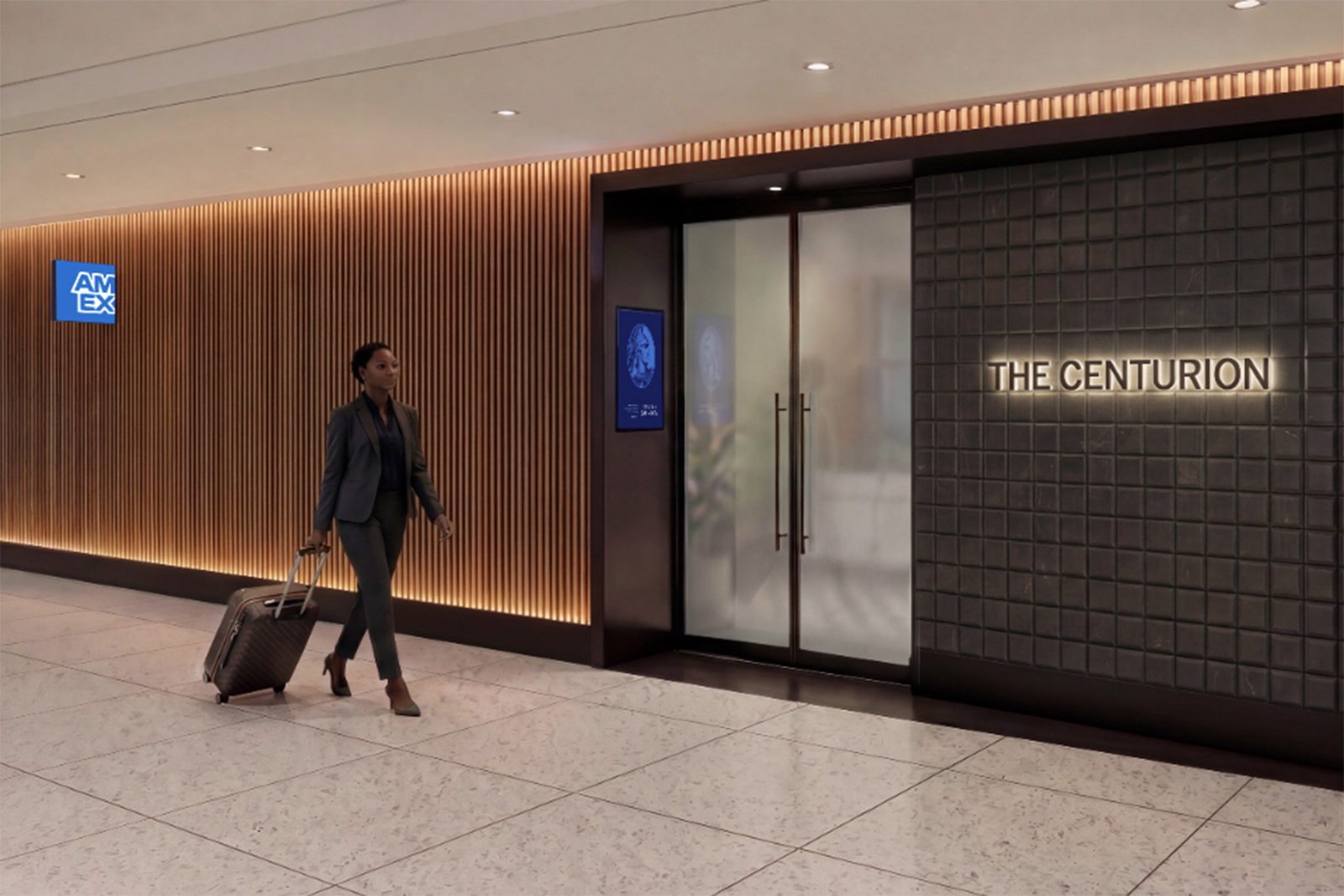
Strategic curation is the recurring theme of Brooks’ analysis. He spotlights the Capital One Lounge at JFK for its thoughtful, "micro-gastronomic" approach, featuring a dedicated cheese monger and bodega-style bagel sandwiches that elevate airport food from a necessity to an experience. This commitment to detail is echoed in the Alaska Airlines Lounge in Seattle, where a fireplace and barista-made coffee reinforce a Pacific Northwest aesthetic that is both warm and operationally efficient. Rounding out his top selections are the Delta Sky Club in Atlanta’s Terminal D, a modern, airy space with exceptional airfield vistas, the American Airlines Admirals Club at Washington National, which Brooks describes as possessing the refined atmosphere of a five-star hotel, and the Centurion Lounge in Atlanta, which succeeds through its unique decor and a buffet that pays homage to southern culinary traditions.
The transformational potential of these spaces, Brooks argues, depends entirely on the traveler's strategy. He emphasizes that the value proposition of these lounges is often tied to the "hidden costs" of travel—the price of airport meals and the loss of productivity in crowded gates. For the frequent traveler, holding the correct branded credit card or securing specific ticket classes can turn the lounge from an extravagance into a functional, cost-saving asset. For the occasional traveler, the availability of day passes offers a flexible point of entry into these environments. Ultimately, Brooks’ guide is not merely a list of premium amenities; it is a strategic tool for the modern wanderer. By identifying which lounges are worth the expenditure, he empowers travelers to reclaim the transit experience, turning the hours before a flight from a period of forced latency into a purposeful, restorative component of the journey itself.