Air transport in death throes as more carriers consider exit over $464 million stuck fund
• Hurdles for Air Peace, SAA as South Africa restrains visas to Nigerian travelers
• Stakeholders warn of losing Nigerian market to neighboring countries, seek caution, engagement with operators
Dire implications await the Nigerian economy should foreign airlines make good their threat to withdraw flight services over stuck funds estimated to have reached $464 million as of July 2022.
Read Also: Vice News - The 'Most Toxic City in Africa'
Specifically, the exit of foreign carriers that account for 80 per cent of commercial aviation earnings to the Gross Domestic Product (GDP) will hobble the projected growth of the air transport sector and cost Nigeria $1.36 billion or N567.12 billion (at $/N417) yearly.
The losses, The Guardian learnt, will not be unconnected with well-off Nigerian travelers (in the absence of foreign airlines) departing for neighboring African countries to board the same international flights or paying for those bookings in foreign currencies only.
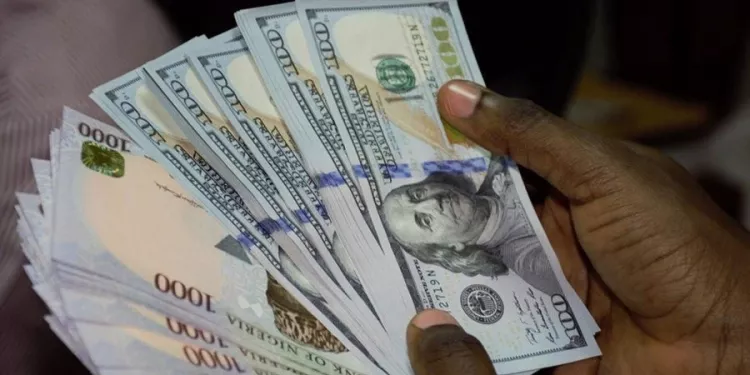
Similarly, should the airlines demand payment in US dollars, the already saturated parallel foreign exchange market may witness a further weakened naira, as demand outweighs supply for the greenback.
Already, things are also not looking up for the country’s sole carrier on the international front. Air Peace airline, yesterday, announced its withdrawal from the Lagos-Johannesburg route over low patronage on account of the South African Embassy’s delay in granting approval to visa applicants in Nigeria, among other operational reasons.
Apparently aware of tougher times that await Nigerian aviation in such circumstances, major stakeholders have urged the Federal Government to exercise caution and parley more with “the business partners” over the precarious foreign exchange liquidity crisis and sundry constraints.
Indeed, these are not the best of times for the air transport sector and the economy at large. While the local operators are surviving by the skin of their teeth over the high cost of aviation fuel and depleting capacity, their foreign counterparts are hard done by the inability to repatriate foreign exchange equivalents for flight tickets already sold in naira.
After an earlier warning by the International Air Transport Association (IATA) and Emirates Airlines’ threat to slash Nigeria-bound flights by August 15, the carrier last week hinted at total withdrawal from Lagos and Abuja routes, effective September 1. The airline has about $90 million in yet-to-be repatriated funds in Nigeria.
The Guardian learnt at the weekend that more legacy carriers are considering the “commercial decision” to avert losses on stuck funds in a “volatile economy”, should the situation persist.