The architecture of space exploration is anchored in the audacious pursuit of total reusability, shifting humanity's cosmic horizon from temporary visitation to permanent, sustainable expansion. In the high-stakes arena of aerospace innovation, few milestones match the raw engineering drama of SpaceX’s ongoing evolution with the Starship program. Through emotional precision, intelligent curation, cultural understanding, strategic storytelling, and transformational framing, this comprehensive news-style report explores the monumental triumphs, high-seas maritime rescues, and iterative design philosophies driving the world’s most powerful rocket toward a new era of space flight.
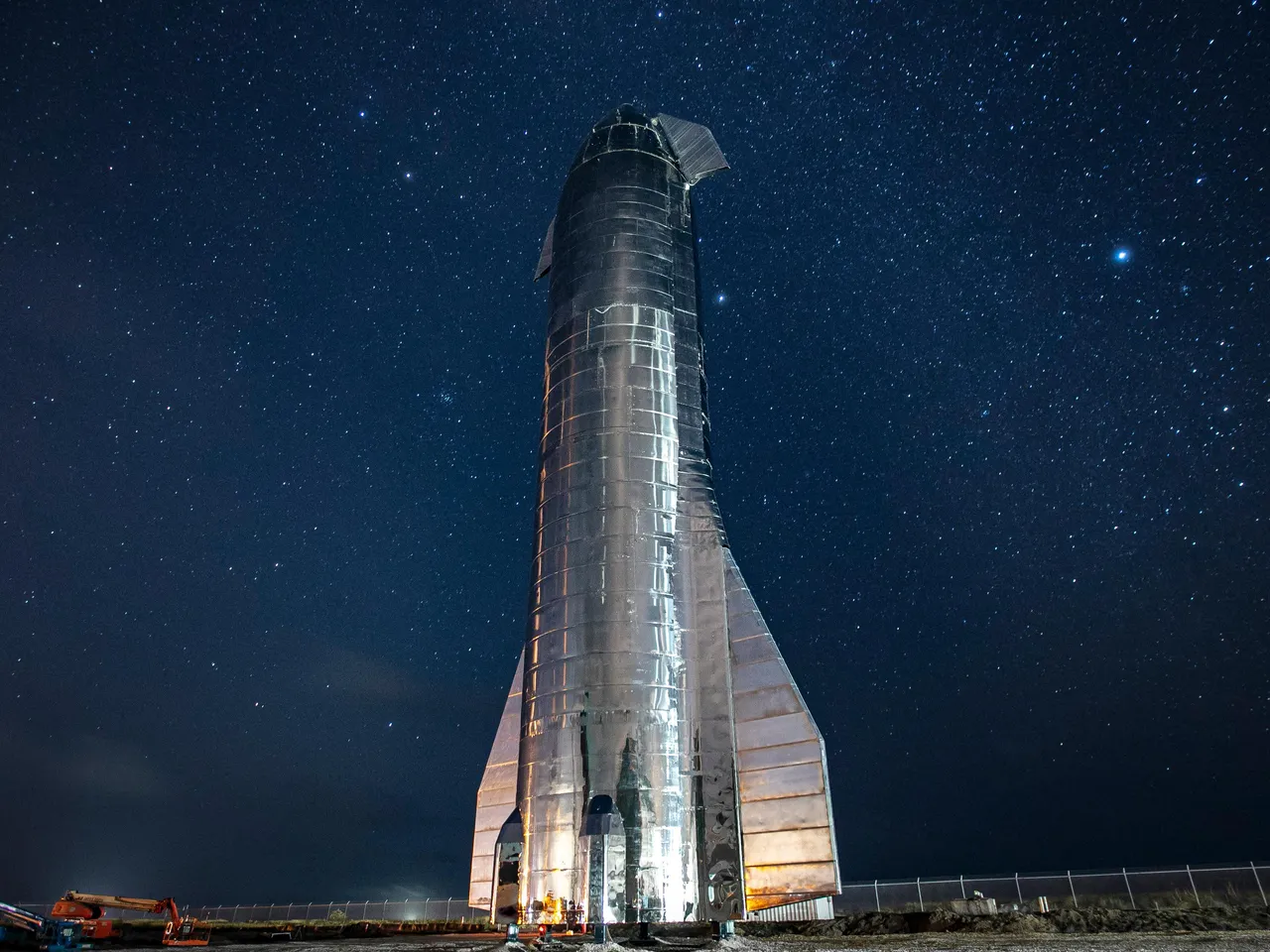
The modern chapter of this epic journey is underscored by Starship’s recent breathtaking flight success, which saw the massive vehicle successfully complete a punishing atmospheric re-entry, execute a flawless controlled landing profile, and remain floating intact in the remote ocean. For an upper stage encountering the brutal thermal and physical stress of descending from orbital velocity, surviving the plunge was a watershed moment. Through emotional precision, this milestone captures the collective bated breath of millions worldwide, transforming cold telemetry data into a visceral triumph of human ingenuity over the hostile vacuum of space.
Related article - Uphorial Shopify
Yet, this towering achievement did not materialize out of a vacuum; it is the direct descendant of years of relentless, scrappy experimentation. Reflecting on the company's early developmental days, the program’s foundation traces back to primitive testing rigs like the Grasshopper vehicle, which was instrumental in mastering the delicate physics of vertical takeoff and landing. The path was lined with structural heartbreak, including the initial Falcon 9 failures that nearly bankrupted the firm, before engineers ultimately overcame the odds to achieve the historic first successful landing of a Falcon 9 booster at Landing Zone 1. Through intelligent curation of aerospace history, these foundational struggles remind observers that every modern rocket victory is built upon the ashes of previous failures.
The recent success in the Indian Ocean also triggered an unprecedented logistical odyssey: the high-seas race to recover Ship 40 from a remote expanse near Christmas Island. Because upper-stage ocean recovery was never part of the original operational blueprint, the vehicle's retrieval presented immense, improvised challenges. Teams battled harsh weather conditions, towering waves, and severe logistical hurdles, utilizing creative towing methods and heavy-lift semi-submersible vessels to secure the spacecraft and bring it home for deep forensic analysis. Through strategic storytelling, this maritime salvage operation transforms into an epic adventure, showcasing the gritty, unglamorous persistence required behind the scenes of high-tech space exploration.

At the heart of this physical hardware lies an uncompromising commitment to iterative engineering, vividly embodied in the evolution of Starship's thermal protection system. The spacecraft's exterior is blanketed in thousands of individual heat shield tiles, representing what engineers describe as a "symphony of iteration". Recognizing that every mission—even those concluding in a watery splashdown—yields irreplaceable telemetry, the engineering philosophy treats every flight as an absolute success because it accelerates the developmental feedback loop for the next hull. Through cultural understanding of engineering culture, this mindset destroys the fear of failure, reframing every lost or damaged tile as a vital teacher on the road to perfection.
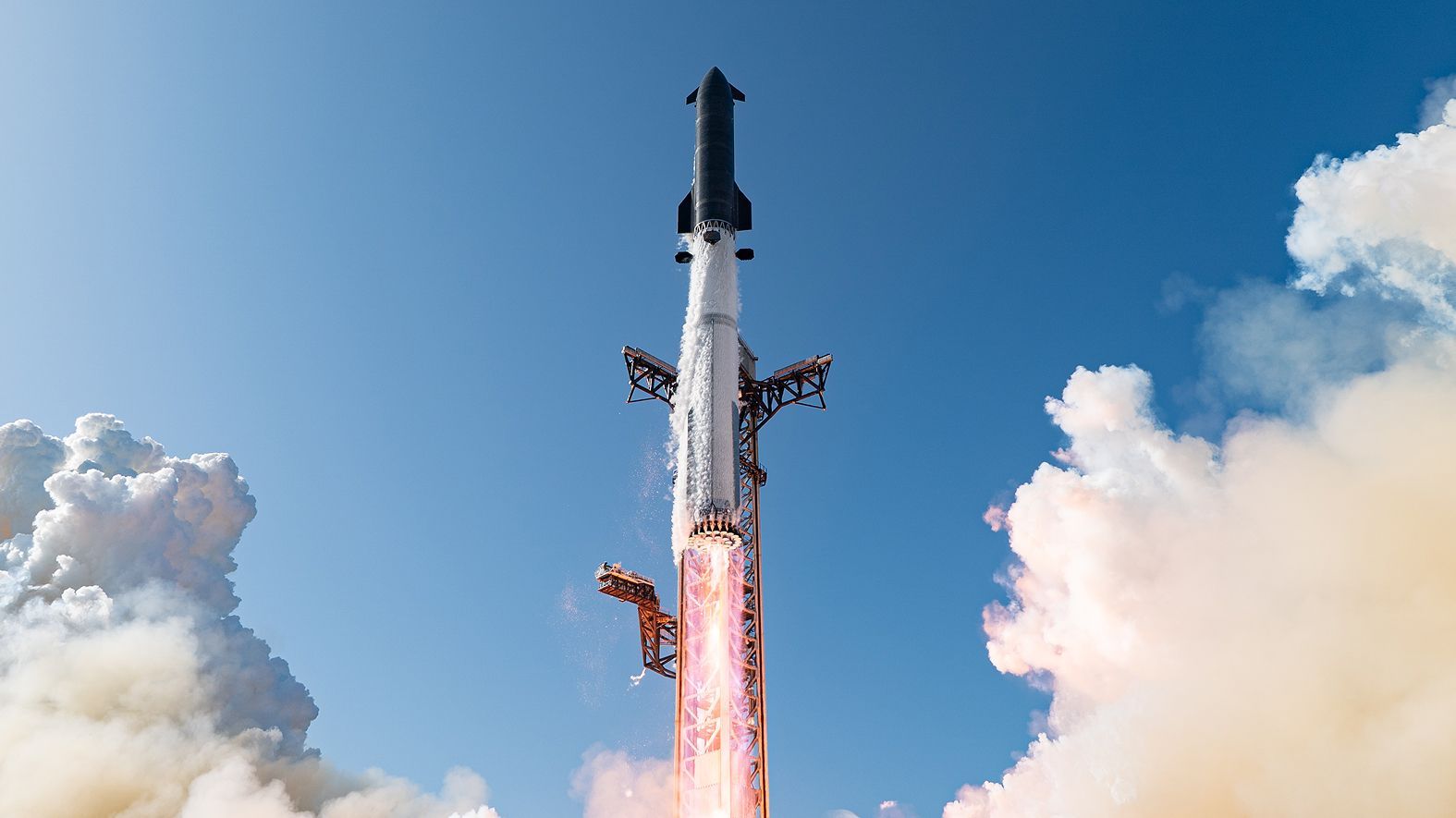
Looking toward the immediate horizon, the recent flight data revealed an astonishing level of flight guidance precision that points directly to the next holy grail of rocketry: the tower catch. Telemetry confirmed that had a launch tower been positioned at the landing coordinates, the vehicle's onboard algorithms would have successfully guided it straight into the mechanical arms of the launch structure. Through transformational framing, this capability elevates Starship from an experimental rocket into a fully realized interplanetary transport system—proving that humanity is rapidly entering a future where returning spacecraft from the stars will routinely land right back where they started, caught safely out of the sky.