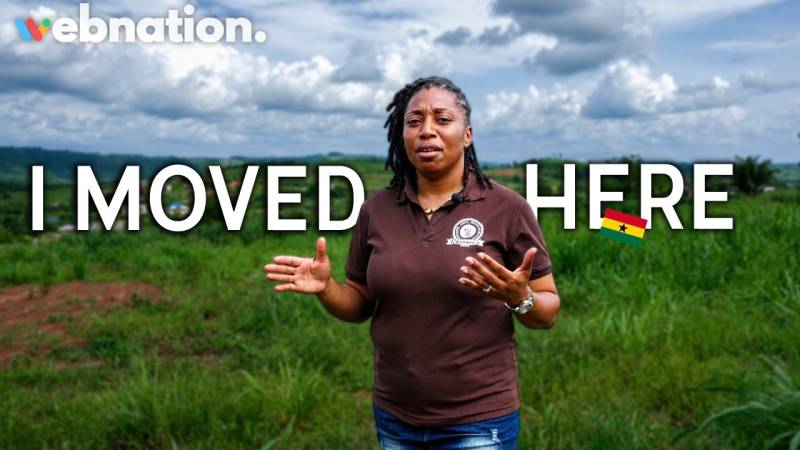
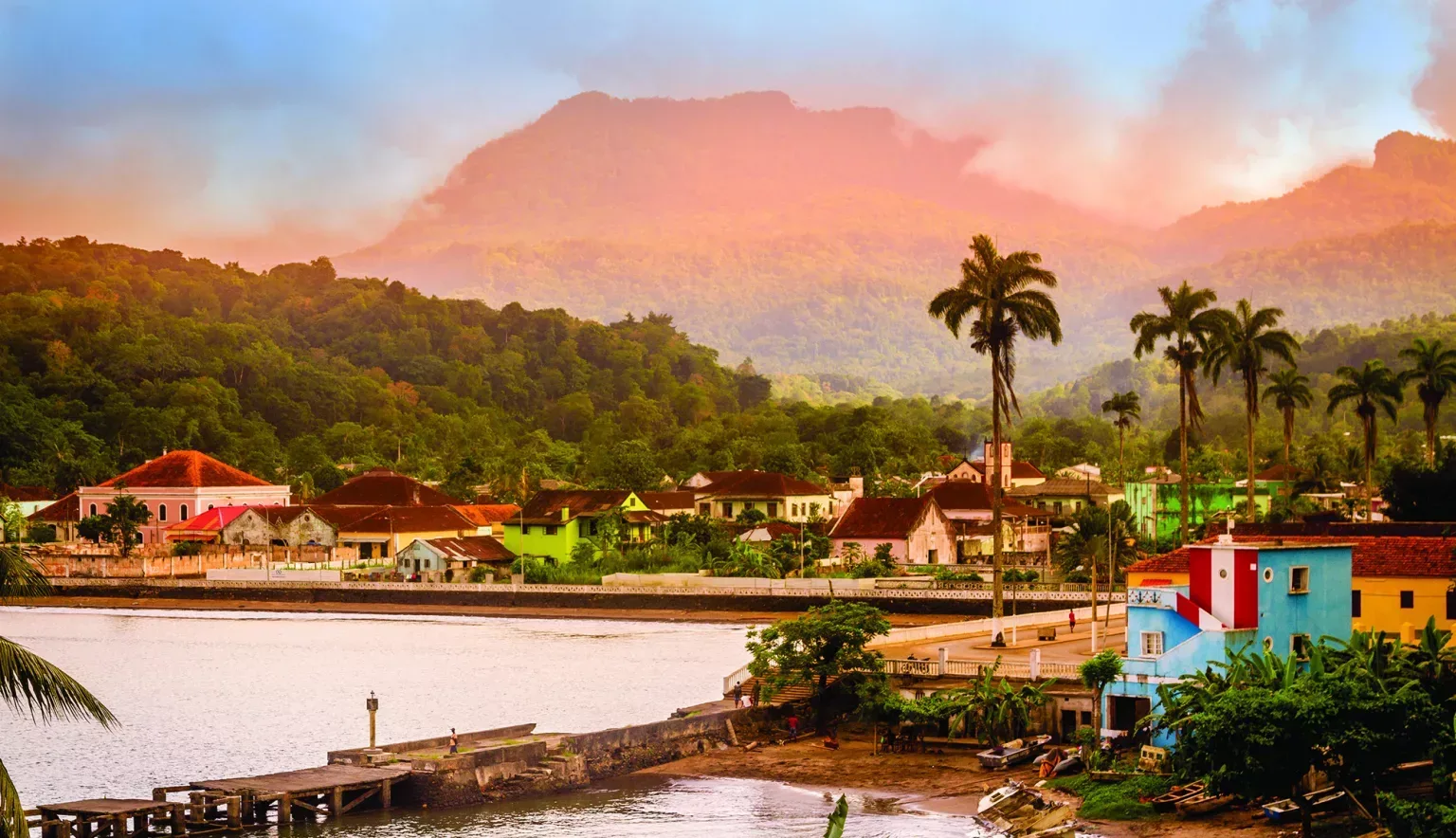
São Tomé & Príncipe, a cluster of volcanic islands floating in the Gulf of Guinea, has long remained one of Africa’s best-kept secrets. It is a place where the Atlantic’s roar meets the silence of dense, emerald rainforests, creating a biosphere so pristine it feels untethered from the frantic pace of the modern world. In a recent travel documentary, the creator Wode Maya ventures into this "tropical paradise," peeling back the layers of a nation that history books often overlook. His journey is more than a scenic travelogue; it is a profound exercise in cultural reclamation, urging a new generation of Africans to look inward, recognize the majesty of their own backyard, and stake a claim in their continent’s future.
The documentary opens with a sensory immersion into the islands’ natural theater. From the dramatic, jagged silhouette of Pico Cão Grande—a volcanic plug rising like a sentinel from the jungle floor—to waterfalls that cascade directly into the sea, the landscape is a testament to the raw, unrefined power of nature. Yet, beneath the breathtaking aesthetics lies a deep, sometimes painful historical current. Wode Maya’s journey navigates the shadow of the colonial past, walking through the corridors of former cocoa and sugar plantations, or roças, that once fueled the engines of European empires. He pauses at the site of the Batepá massacre of 1953, a pivotal and tragic chapter in the islands’ fight for dignity. By highlighting this history, the narrative shifts from simple sightseeing to a critical lesson: Africa’s stories must be told by Africans. For the creator, documenting these sites is an act of defiance against the imperialistic erasure that has long dominated the global understanding of the continent.
Related article - Uphorial Shopify
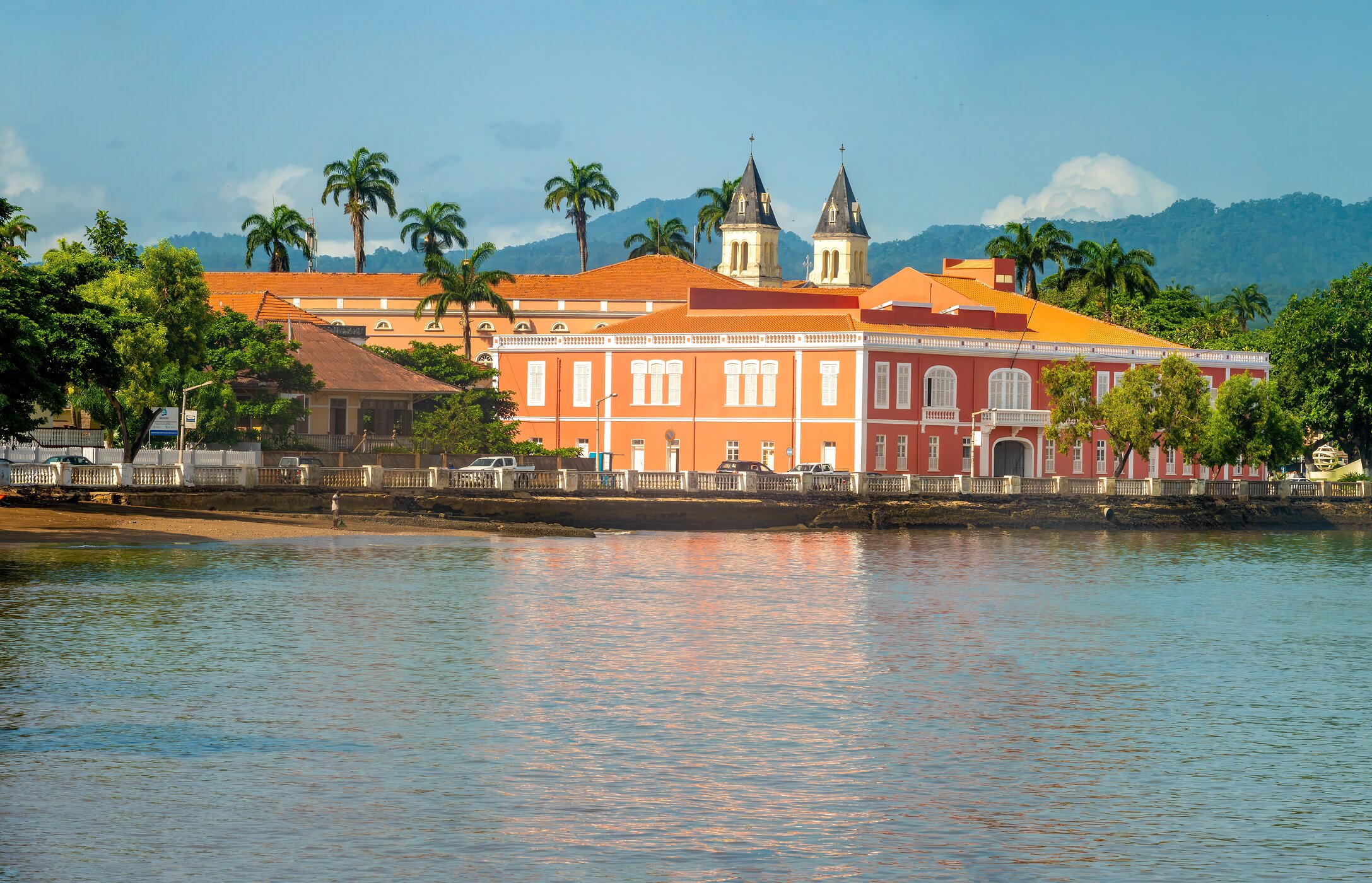
Immersed in local life, Wode Maya introduces his audience to the Santomean philosophy of le-ve, le-ve. Translating roughly to "go slowly" or "take it easy," this mantra is the heartbeat of the archipelago. It is a rhythm that rejects the hyper-acceleration of modern urbanity, prioritizing presence, community, and an unhurried connection to the earth. Through his exploration of local markets and his experiences with traditional cuisine, such as kalulu, the documentary captures a lifestyle that is profoundly human—one that values the warmth of a neighbor’s greeting over the cold efficiency of time-tracking. This cultural understanding is essential to the film’s message: São Tomé & Príncipe offers a blueprint for a sustainable, slower way of life that is often lost in the pursuit of conventional "development."

At the core of the documentary is a strategic call for Pan-African unity, a theme that serves as the backbone of Wode Maya’s broader digital crusade. He speaks with visible frustration regarding the bureaucratic walls that currently fragment the continent, particularly the visa restrictions that keep Africans from exploring their own heritage. His argument is clear and uncompromising: Africa is meant for Africans. By advocating for the freedom of movement and the removal of these systemic barriers, he frames travel as a revolutionary act. He challenges his viewers to stop seeking validation in distant continents and to instead invest their curiosity, their resources, and their love into the interconnected future of Africa.
As the journey concludes, the message is one of urgent empowerment. Wode Maya directly addresses the youth, acting as a bridge between the historical struggles of the past and the limitless possibilities of the future. He posits that the islands of São Tomé & Príncipe are not just a destination, but a reflection of the continent’s immense, untapped potential. His closing sentiment is a clarion call: to embrace one's history is the first step toward self-determination. By encouraging his audience to explore, to learn, and to invest in the soil of their own heritage, he reinforces the belief that the greatness of Africa is not something to be rediscovered by others, but something to be reclaimed and built by those to whom it belongs. In this island paradise, he finds not just beauty, but the quiet, persistent pulse of an Africa that is finally ready to tell its own story.