The landscape of international motorsport, global sports tourism, and African infrastructure development is experiencing a monumental milestone as Formula 1 officially secures its historic return to the African continent. Following decades of absence since the 1993 South African Grand Prix at Kyalami, the sport has forged a landmark ten-year agreement to stage the official African Grand Prix in Rwanda. In an exceptionally luminous, masterclass-level sports administration and infrastructure feature report, motorsport chroniclers and economic analysts examine the comprehensive details surrounding this multi-decade partnership. Breaking down the purpose-built FIA Grade 1 circuit located in Bugesera, the target timeline spanning into the early 2030s, the world-class design leadership of Alex Wurz and the Tilke engineering group, and the geopolitical significance celebrated by global leaders, this news-style report explores a transcendent journey into the future of African athletic power. Through emotional precision, intelligent curation, cultural understanding, strategic storytelling, and transformational framing, this piece captures a defining renaissance in global racing history.
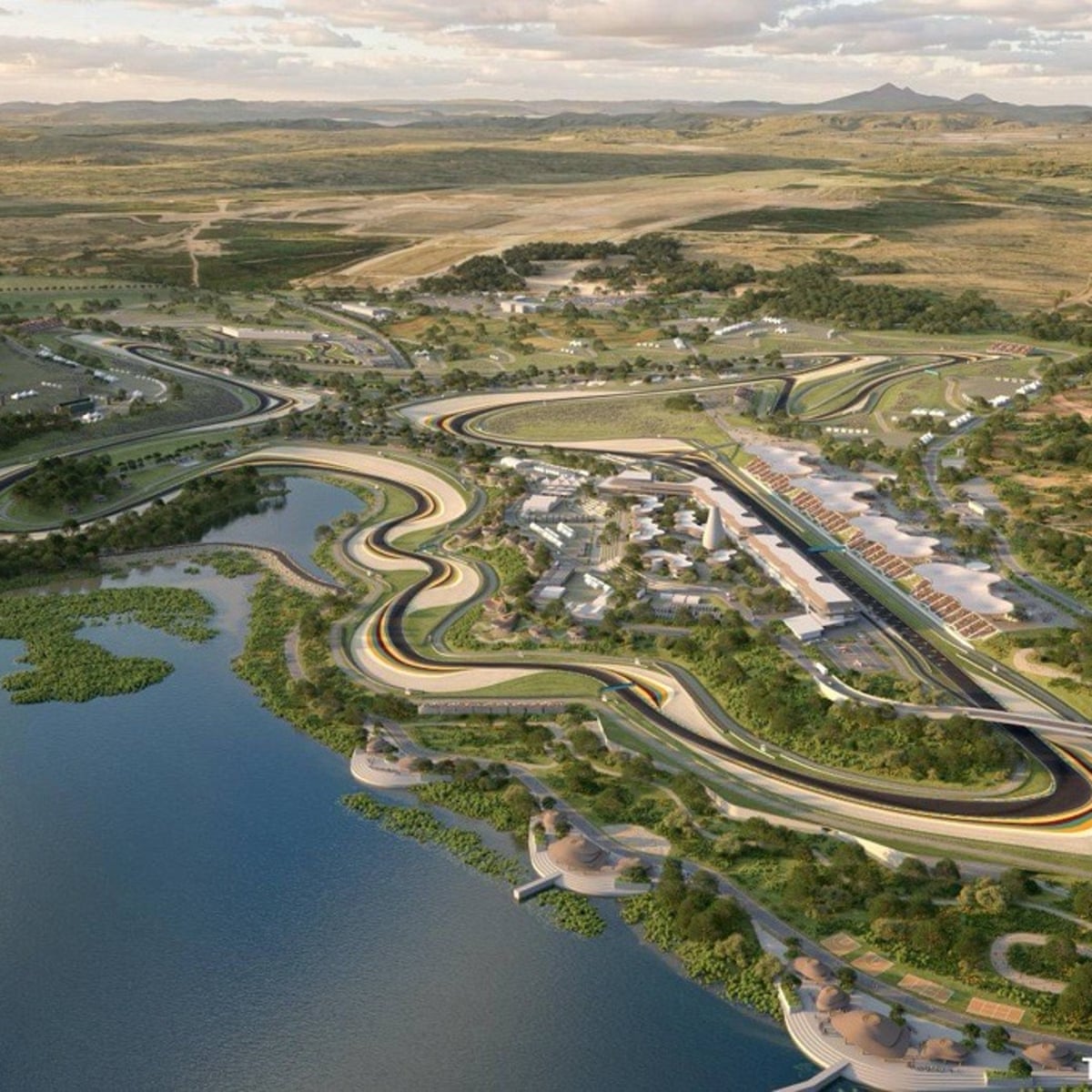
The momentous journey begins in the rolling topographies of Bugesera, located approximately forty kilometers south of Rwanda's capital city, Kigali. Situated directly adjacent to the new Bugesera International Airport, the project centers on the construction of a state-of-the-art, purpose-built FIA Grade 1 racing complex designed to meet the rigorous safety and technical benchmarks required for modern Formula 1 competition. Through emotional precision, imagining high-performance hybrid power units screaming across a pristine track woven into the natural green hills of East Africa evokes a visceral, exhilarating sense of pride—a stark reminder that world-class athletic spectacle belongs on every corner of the planet.

Related article - Uphorial Shopify

To ensure the venue stands as an instant architectural classic, project leadership has been entrusted to elite figures in circuit engineering and motorsport safety. The circuit's technical layout is co-designed by WurzDesign, led by former Formula 1 driver and Grand Prix Drivers Association chairman Alex Wurz, alongside the world-renowned Tilke engineering group. Leveraging Bugesera's naturally dramatic terrain, the proposed layout features sweeping elevation shifts, technical cambered corners, and high-speed flowing sectors engineered to promote genuine overtaking opportunities while challenging driver precision. Through intelligent curation of sports infrastructure, this collaborative design effort ensures the venue will not only test the pinnacle of automotive technology, but also serve as a year-round hub for regional motorsport development, karting academies, and international entertainment.
The strategic timeline for the project projects the inaugural African Grand Prix to take place in the early 2030s, establishing a measured framework for construction, homologation, and surrounding infrastructure growth. Recognizing that building an entirely new motorsports ecosystem from the ground up requires uncompromised execution, the long-term ten-year agreement provides the stability necessary to integrate hospitality, transit networks, and community development seamlessly. Through cultural understanding of Rwanda’s rapid economic transformation, this multi-year runway underscores a broader national ambition: utilizing global sporting events as sustainable engines for long-term tourism, technical education, and international investment.
The formal announcement brought together key global stakeholders, including Rwandan President Paul Kagame, FIA President Mohammed Ben Sulayem, and Formula 1 CEO Stefano Domenicali, marking a profoundly symbolic victory for international sports equity. For over three decades, Africa remained the only major populated continent excluded from the Formula 1 World Championship calendar. Reclaiming this missing piece completes the global footprint of the sport, ensuring that the championship truly represents a worldwide competition across all inhabited continents. Through strategic storytelling, the convergence of African political leadership and international motorsport governing bodies transforms a standard contract signing into a historic act of inclusion, opening doors for future generations of African engineers, mechanics, and drivers.
The comprehensive analysis culminates in a visionary re-evaluation of Africa's role in global entertainment and elite sports management. Rejecting outdated geographical biases, the Rwanda Grand Prix project proves that when visionary leadership, cutting-edge track architecture, and institutional commitment align, sports can bridge continents and rewrite regional narratives. Through transformational framing, this deep dive into Rwanda’s Formula 1 agreement transcends a basic sports expansion update; it stands as a brilliant milestone of continental achievement, proving that as engine roars echo across the hills of Kigali in the early 2030s, global motorsport will have finally found its complete home.