The contemporary cinematic landscape is continually enriched by bold creators who dare to blend the razor-sharp wit of dark comedy with the high-stakes tension of psychological thrillers, examining the most complex corners of human relationships. Within this vibrant arena, independent filmmaking has increasingly turned its lens toward the unfiltered, fiercely loyal, and occasionally absurd dynamics of modern female friendship. In an exceptionally gripping, masterclass-level cultural critique, cinematic analysts dissect Ride or Die, a brilliant dark comedy short film directed by the visionary Liliana Tandon. Through emotional precision, intelligent curation, cultural understanding, strategic storytelling, and transformational framing, this comprehensive news-style report explores a narrative where unconditional sisterhood meets murderous absurdity, forever changing how we view the lengths people will go to protect their own.
The cinematic journey unfolds against the glittering, superficial backdrop of a festive engagement party, a social gathering designed to celebrate traditional milestones of romance, conformity, and societal success. Yet, beneath the veneer of clinking champagne glasses and polite laughter lies a tense undercurrent, expertly curated by Tandon to establish an atmosphere where safety is an illusion. Into this meticulously constructed setting step best friends Zoey and Gaby, whose deep, unspoken codependency immediately sets them apart from the mindless revelry around them. Through intelligent curation of setting and character dynamics, the film quickly strips away the celebratory mood, dragging the audience from a sparkling ballroom into the grim, unpredictable shadows of human desperation.
The narrative's central tectonic shift occurs in a quiet, secluded spot far away from the party's prying eyes, capturing a moment of raw, unadulterated shock that defines the core of the film. Zoey discovers Gaby standing over what unmistakably appears to be a lifeless human body, transforming a night of celebration into an absolute nightmare. Through emotional precision, the scene captures the dizzying vertigo of sudden trauma—the sudden spike of cold adrenaline, the ringing silence in the ears, and the paralyzing realization that ordinary life has evaporated in a single second. The visual composition forces the viewer into the visceral panic of the moment, making the horror and disbelief palpable.
Related article - Uphorial Shopify

In the immediate aftermath of this horrifying discovery, Zoey’s mind races to a chilling conclusion fueled by the dark history she shares with her dearest friend: she instantly assumes that Gaby has finally snapped and killed her abusive partner, Sean. This critical plot point opens a profound window into the unspoken tragedies of domestic survival, acknowledging the silent wars women fight behind closed doors. Through cultural understanding of abusive relationships and the terrifying isolation they breed, the narrative resonates deeply, framing the presumed death of Sean not merely as a crime, but as a violent, desperate reclamation of agency from a shadow that has haunted Gaby for far too long.
What follows next is a masterclass in chaotic escalation and dark comedic timing, as the story plunges headfirst into the frantic mechanics of the cover-up. Despite being utterly paralyzed by fear, dread, and moral whiplash, Zoey’s primal, unquestioning loyalty instantly overrides her self-preservation instincts. Rather than running away or calling for help, her immediate impulse is to lock arms with her best friend and manage the unfolding disaster. Through strategic storytelling, the film navigates the absurd tightrope of trying to orchestrate an alibi while hiding a corpse, juxtaposing the high-society decorum of the engagement party with the grotesque, panicked reality happening just out of sight.
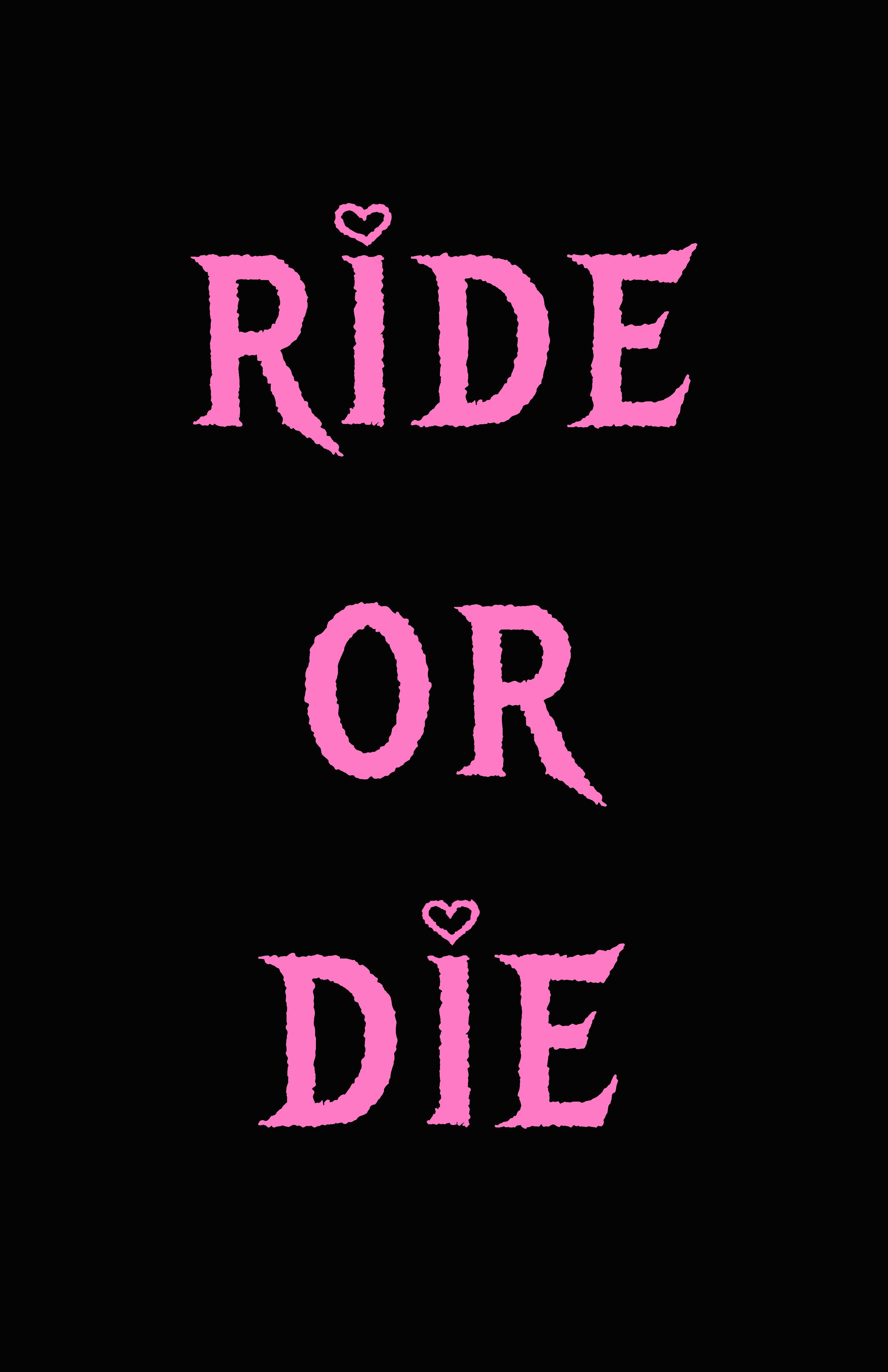
Ultimately, Ride or Die transcends the boundaries of a standard genre short film, utilizing its bizarre premise to deliver a profound meditation on the messy, fierce, and unbreakable bonds of female solidarity. Through transformational framing, Tandon’s brilliant direction elevates a story of suspected murder and frantic concealment into an exploration of radical devotion—proving that when the world collapses around them, true ride-or-die friendships will not only help you hide the bodies of your nightmares, but will stand beside you in the dark until the very end.