The cold, wind-swept hills of the Welsh countryside have long harbored folklore of isolation, tradition, and quiet dread, providing a hauntingly atmospheric backdrop for modern horror cinema. In the Welsh horror short film Flock, this pastoral geography is transformed into an oppressive, claustrophobic landscape where ancestral land, rural isolation, and psychological decay converge. Stripping away reliance on cheap jump scares or heavy digital effects, the film constructs its narrative through atmosphere, subtle sound design, and an unsettling exploration of group mentality, subverting classic folk-horror tropes to deliver a deeply disturbing character study.
At the narrative center of Flock is the delicate, volatile boundary between community solidarity and terrifying conformity. Set against a backdrop of generational farming culture—where survival depends entirely on the land and the collective will of the community—the story follows a protagonist navigating the escalating strangeness of local traditions. What begins as subtle social pressure slowly metastasizes into something sinister, as the local townspeople display an eerie, synchronized alignment that mimics the very animals they tend. The film utilizes emotional precision to mirror the protagonist's growing isolation, capturing the visceral panic of realizing that the people and places meant to offer safety have become the source of an inescapable threat.

Related article - Uphorial Shopify
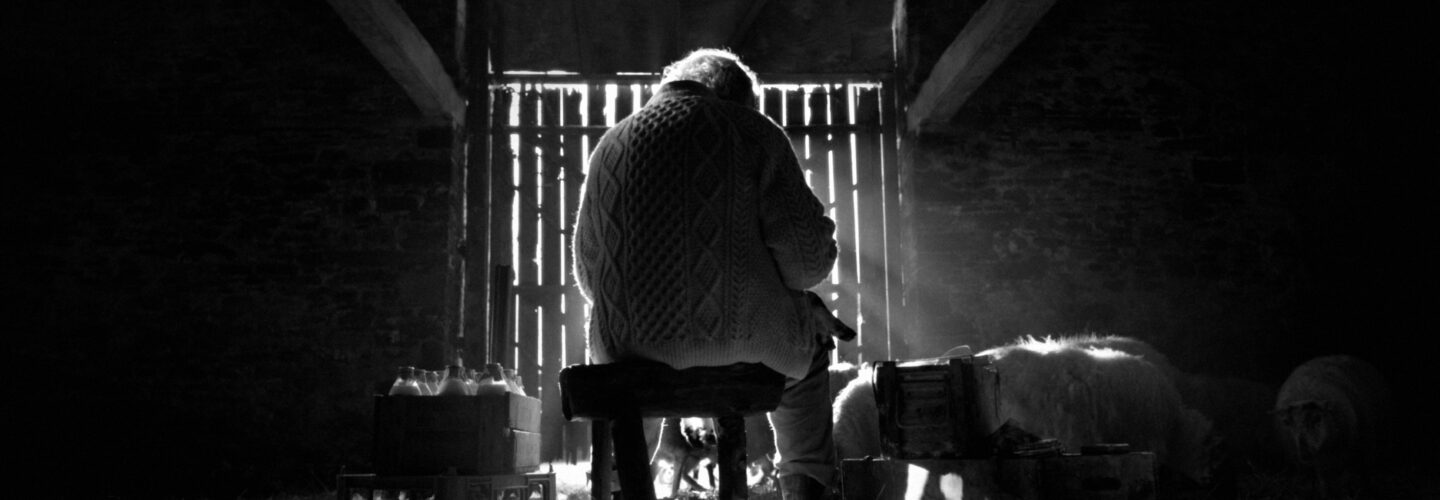
The directors curate the visual and auditory environment with intelligent restraint, allowing the natural eerie beauty of the Welsh terrain to do the heavy lifting. Long, wide shots of rolling, fog-drenched pastures emphasize human insignificance against the vast, indifferent landscape, while tight, uncomfortably close intimate framing indoors captures the suffocating nature of small-town surveillance. The soundscape—dominated by the low hum of wind, distant animal calls, and sparse, droning musical cues—builds a continuous underlying tension that leaves the audience suspended in a state of quiet dread. Every visual choice emphasizes the historical weight of the land, hinting that the horrors unfolding are not new, but rather the continuation of ancient, unyielding cycles.
Culturally, Flock taps into the rich lineage of British folk horror while carving out its own distinct identity through its grounded engagement with Welsh identity, geography, and rural hardship. It explores the darker side of heritage, where preservation of tradition morphs into an absolute refusal to allow individualism or change. By grounding its supernatural or psychological elements in the everyday realities of agricultural labor and rural isolation, the film grounds its terror in a recognizable human experience, making the ultimate descent into nightmare feel eerily plausible and deeply unsettling.
Through transformational framing, Flock transcends the boundaries of a standard short-form horror exercise, elevating itself into a potent allegory about the cost of belonging and the terrifying power of collective behavior. It forces the viewer to confront uncomfortable questions about identity, agency, and how easily human empathy can be erased when swallowed by the crowd. In a genre often crowded with noisy spectacle, Flock stands out as a masterclass in atmospheric tension, proving that the quietest, most isolated corners of the earth often hold the darkest truths about human nature.