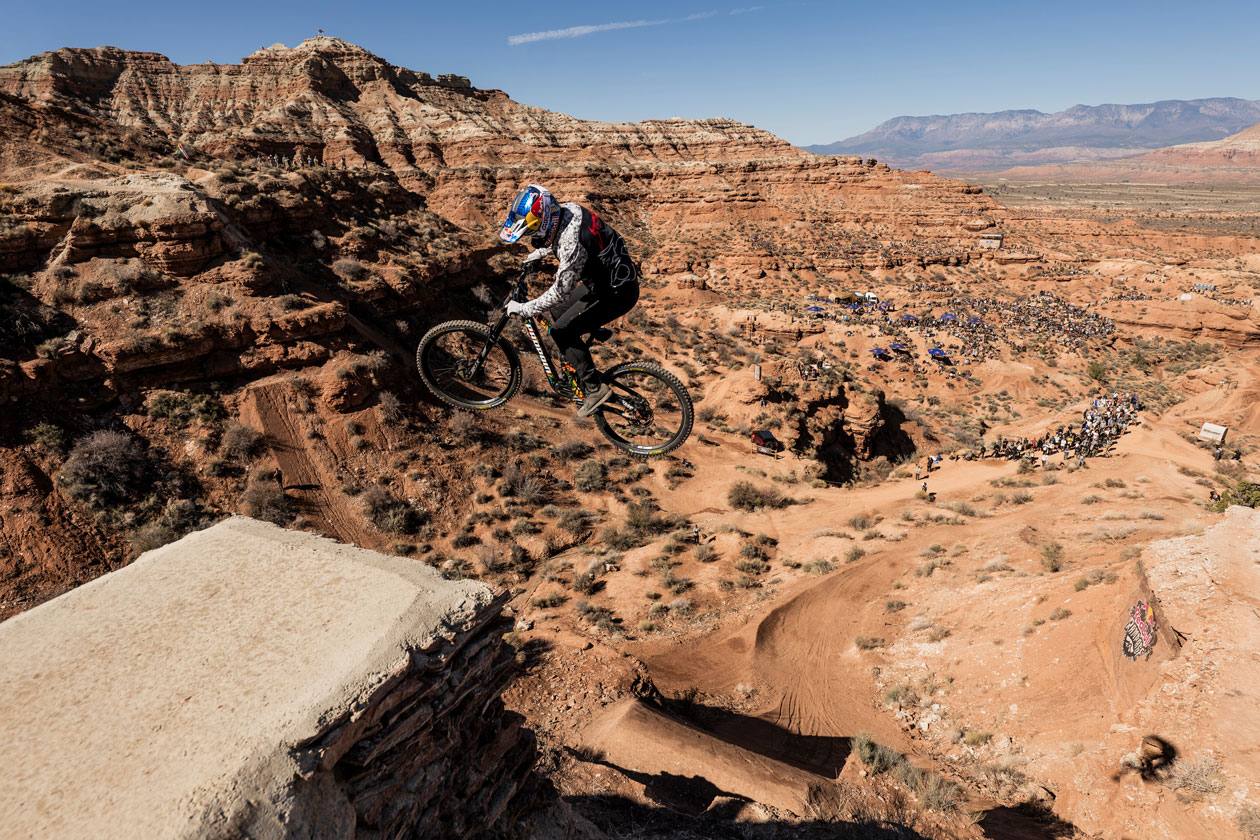
The architecture of extreme freeride mountain biking, high-stakes athletic risk, and desert terrain competition is defined by an unyielding balance between legendary ambition and uncompromising natural elements. Across a quarter-century of sport evolution, the rugged red cliffs of southern Utah have served as the ultimate canvas for human daring, where elite athletes carve high-exposure lines down sheer cliff faces and launch across death-defying desert chasms. In an exceptionally luminous, masterclass-level sports journalism feature report and competitive analysis, freeride chroniclers examine the latest broadcast iteration of freeride mountain biking's most iconic spectacle. Breaking down twenty-five years of legendary competitive history, early standout performances down the mountain, the sudden arrival of extreme weather forces, and the profound resilience embodied by athletes honored for their unwavering spirit, this news-style report explores a transcendent journey through athletic courage. Through emotional precision, intelligent curation, cultural understanding, strategic storytelling, and transformational framing, this piece captures the unyielding soul of freeride competition.
The competitive narrative opens against the historic backdrop of a quarter-century of freeride evolution, reflecting on twenty-five years of iconic moments that redefined the boundaries of human capability on two wheels. From early pioneering descents down raw, unmapped desert ridges to legendary milestones like the historic canyon gap backflip that forever altered the sport's global trajectory, the event stands as the absolute pinnacle of extreme action sports. Through emotional precision, watching athletes drop into sheer, exposed cliffs with thousands of feet of air below evokes a sharp, breath-stealing mix of awe and anxiety—a stark reminder that at the absolute edge of human athletic achievement, every single pedal stroke carries profound consequence and breathtaking beauty.
Related article - Uphorial Shopify

Before weather forces intervened, the opening phases of the competition delivered a masterclass in precision, speed, and creative line choice. A select group of world-class riders dropped into the mountain, executing complex trick combinations, technical chute navigation, and massive air features with clinical control. Each line built upon years of manual labor, as riders and their two-person dig crews spent days carving custom takeoffs and landings directly out of the red rock. Through intelligent curation of freeride mechanics, these early completed runs showcased the pinnacle of modern bike handling, demonstrating how raw technical execution and artistic line interpretation converge to turn forbidding terrain into a high-speed canvas.
However, the raw unpredictability of nature ultimately asserted its dominance over the mountain, as sudden, dangerous atmospheric changes swept across the desert valley. Experiencing severe wind gusts that rendered massive jump features impossible to navigate safely, alongside impending rain that threatened to soften landing zones and erode exposed chutes, event organizers were forced to make a high-stakes operational decision. To protect the lives of athletes, dig crews, staff, and thousands of attending fans, organizers officially called off the remainder of the men's event. Consequently, the final competition leaderboard was established based strictly on the partial first round of completed runs, reinforcing the unwritten rule of freeride competition: the mountain and the elements always hold the final vote.
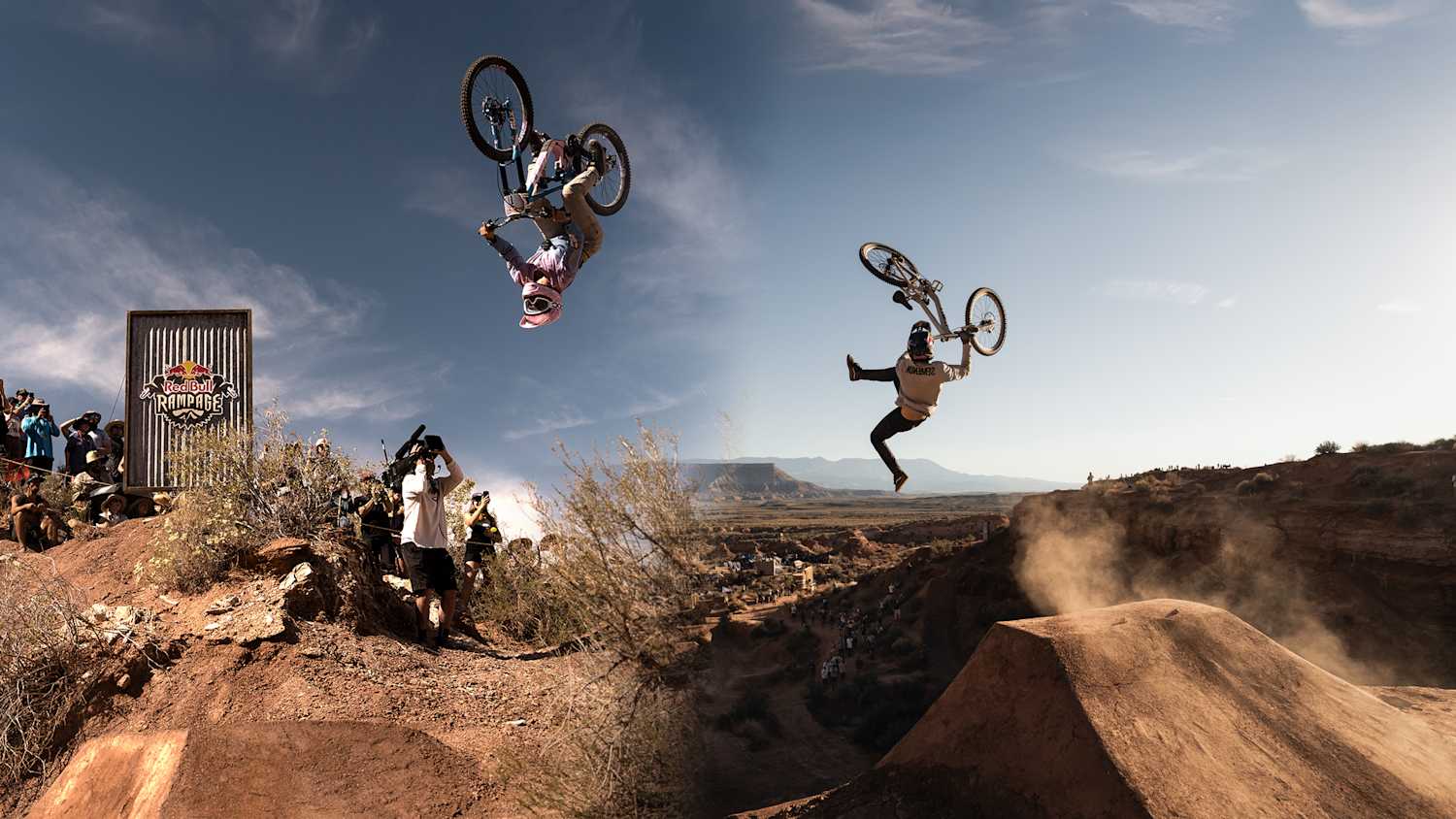
The stark reality of freeride risk was dramatically highlighted during a heavy, high-velocity crash endured by veteran competitor Carson Storch. After stomping the upper section of his line, Storch was thrown off course in a steep technical section, taking a terrifying tumble down the rocky terrain that required immediate medical evaluation and precautionary evacuation. To the immense relief of the freeride community, Storch was confirmed to be alert, conscious, and miraculously cleared of major injury. In a deeply moving testament to sportsmanship, Storch returned to the venue later that evening to accept the prestigious Kelly McGary Spirit Award—a peer-voted honor celebrating the kindness, passion, camaraderie, and relentless dedication that define the true heart of freeride culture.
The comprehensive analysis of this landmark edition culminates in a visionary re-evaluation of how extreme sports define success in the face of nature's constraints. Rejecting the notion that a competition is measured solely by completed runs or full leaderboards, the event highlighted the profound bonds of solidarity, courage, and mutual respect that unite elite riders on the mountain. Through transformational framing, this deep dive into freeride history and resilience transcends a simple event summary; it stands as a brilliant athletic milestone, proving that when world-class bravery, environmental reality, and unyielding brotherhood meet, mountain biking becomes an immortal testament to the human spirit.