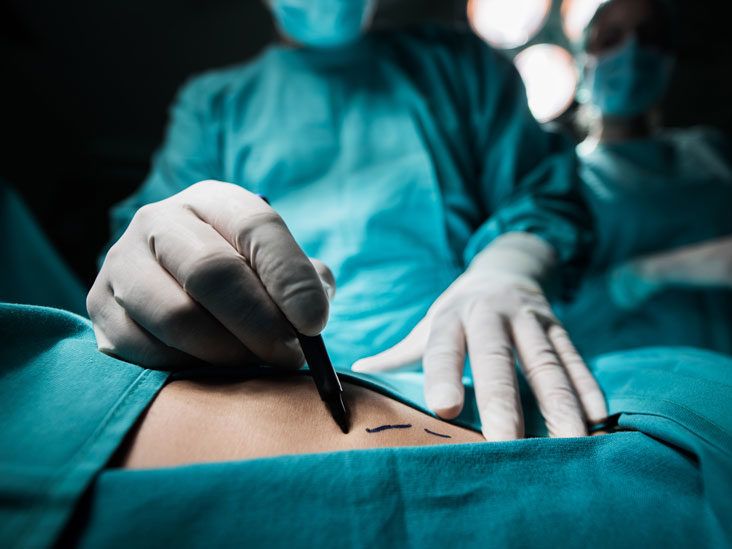
Mastering the recovery period following a Brazilian Butt Lift (BBL) or liposuction requires a clinical understanding of fluid behavior that often contradicts common patient expectations. According to the Doctor William Miami latest clinical demonstration, patients at the two-week post-operative stage often exhibit two distinct types of fluid accumulation: interstitial swelling and free fluid, or seromas. Interstitial swelling is characterized by skin with large pores resembling a "naval orange," where fluid is trapped within the tissue like water in a soaked sponge and cannot be manually removed. Conversely, a seroma appears as a "fluid wave"—a pool of lymphatic fluid and blood trapped specifically between the skin and the abdominal wall.

Related article - Uphorial Shopify
Post-op fluid management is the secret to a smooth recovery

The removal of a seroma through aspiration is typically a painless process due to lingering post-surgical numbness, and while it creates an immediate thinner appearance, the procedure is only one part of a broader recovery strategy. Doctor William Miami emphasizes a critical shift in protocol at the two-week mark: stopping heavy compression. He explains that prolonged pressure can close down the lymphatic system, trapping inflammatory mediators that can lead to fibrosis. To achieve the smoothest possible skin, he advocates for an open lymphatic system, often switching patients to "fiber guard" to activate natural drainage. Short-term compression is only utilized after aspiration to ensure the abdominal wall and skin surfaces stick together and prevent fluid from re-accumulating in the empty space.
Beyond the management of swelling, the anatomical origin of "hip dips" remains a frequent point of debate among patients and critics. Addressing the common claim that these indentations can be corrected through fitness, Doctor William Miami clarifies that exercise is physically incapable of filling a hip dip because there is no muscle in that specific anatomical space. The gluteus maximus and medius muscles stop before reaching the hip, leaving an area occupied by the tensor fasciae latae (TFL), which is a thick material rather than a muscle that can be bulked through training. Consequently, fat grafting is presented as the only viable method for filling this void, as it provides volume where the body naturally lacks the tissue to grow through exercise. This comprehensive approach to both fluid management and structural anatomy underscore the importance of science-based recovery in achieving optimal aesthetic results.