Public health educators are warning that common technical errors during blood pressure monitoring can artificially inflate readings by 10 to 30 points, potentially leading to unnecessary medical diagnoses and treatments. In a detailed breakdown of cardiovascular health management, Dr. Egemba Chinonso, popularly known as Aproko Doctor, highlighted that many patients are being mislabeled as hypertensive simply due to poor measurement posture and environmental factors. Because high blood pressure is a "silent killer" that often presents without symptoms like headaches, ensuring the accuracy of the "resting" blood pressure is critical for preventing long-term damage to the arteries, which can lead to heart attacks or strokes. To achieve an accurate reading, five specific physical conditions must be met.
First, individuals must avoid checking their pressure immediately after physical activity, as movement elevates the heart rate; a minimum of five minutes of complete rest is required. Second, the body must be properly positioned with feet flat on the floor and the back supported against a chair, as crossing the legs or engaging back muscles increases internal pressure. Third, the arm must not be held in the air but should instead be supported on a table at the same level as the heart to prevent muscle exertion from skewing the results. Furthermore, sleeves should not be rolled up if they create a constricting "clamp" effect on the arm; the cuff is most effective on bare skin or very thin fabric. Finally, total silence is required, as even light conversation causes the mental engagement necessary to spike a reading.

Related article - Uphorial Shopify
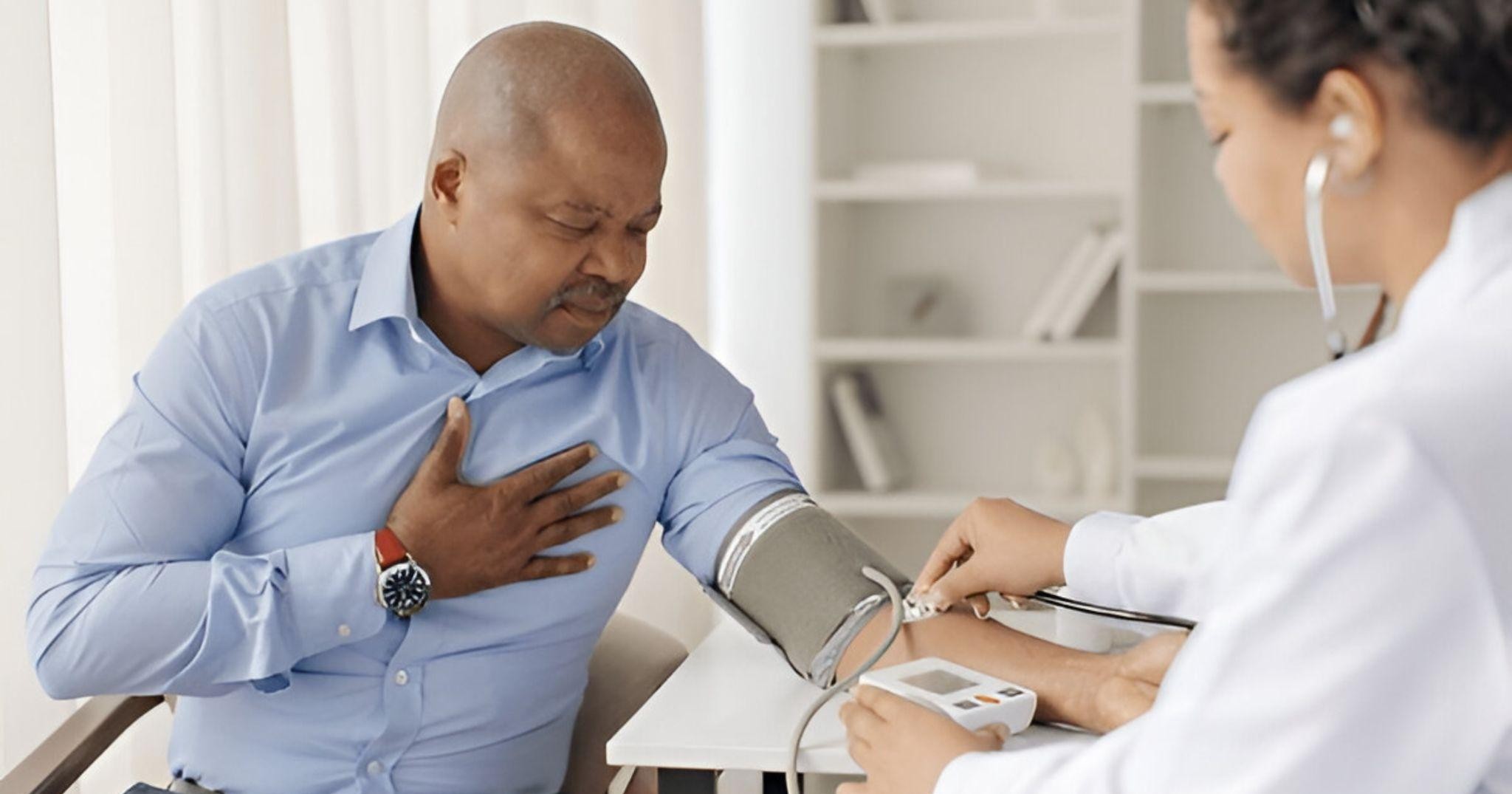
Understanding the resulting numbers is equally vital for patient self-management. The top number, or systolic pressure, measures the force when the heart squeezes, while the bottom number, or diastolic pressure, measures the force when the heart rests between beats. While 120/80 is considered normal, a systolic reading between 120 and 129 serves as a "yellow light," signaling a need for increased physical activity and reduced salt intake. However, consistent readings of 130/80 or higher indicate hypertension, a "danger zone" that requires professional medical intervention. Health experts emphasize that if high readings persist even after these five procedural mistakes are corrected, individuals must consult a healthcare provider to begin a formal management plan.