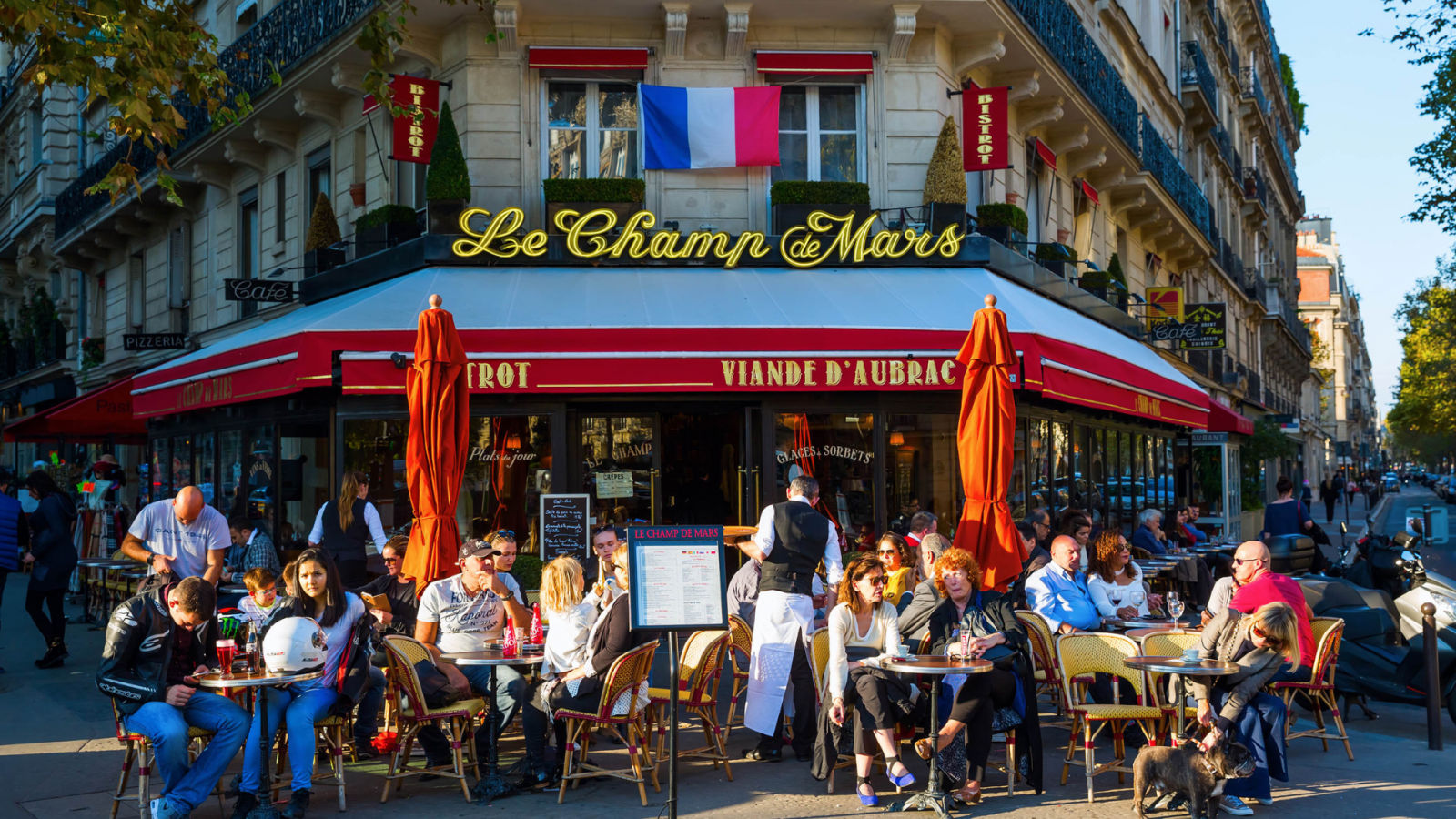
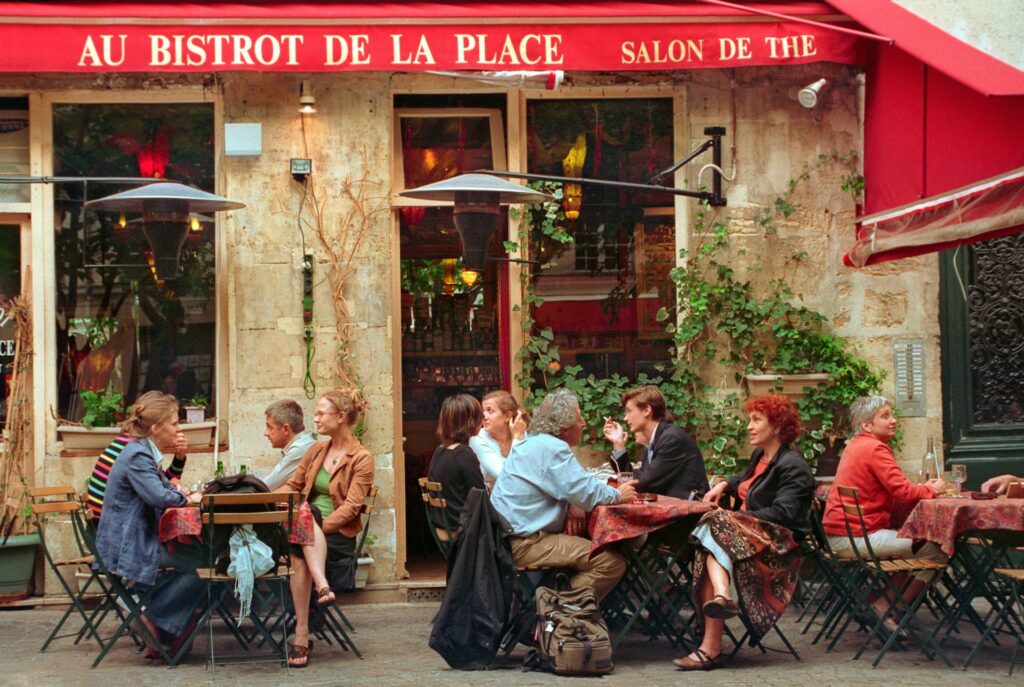
Paris is currently undergoing a significant coffee renaissance, transitioning from a city where coffee quality was often secondary to the social experience into a global center for high-level craftsmanship. As documented by Hungry social media channel, the city’s traditional café culture—where tables spill onto the pavement—was historically criticized for serving "terrible" coffee despite its status as the heart of French social life. This modern shift is spearheaded by experts like Michael McCauley, a "coffeeologist" at Cafés Richard, who aims to elevate coffee to the same cultural prestige as French wine and cuisine. This evolution builds upon a deep history that began at Café Procope, the first coffee shop in Paris, where historical icons such as Napoleon Bonaparte, Benjamin Franklin, and Voltaire gathered to discuss the ideas that would shape the French Revolution and the U.S. Constitution.
The "Hungry" team explores this vibrant "coffee scape" via an immersive bicycle tour, navigating landmarks like Notre-Dame and the 400-year-old Pont Neuf bridge to find the intersection of tradition and innovation. A vital part of this journey includes the world of French pastries, where celebrity chefs create "edible pieces of art" like the Paris-Brest, a bicycle-wheel-shaped pastry meant to be enjoyed alongside specially designed coffee blends. The sources reveal that the classic French practice of "dunking" pastries into espresso remains a cherished ritual even as tastes evolve toward sophisticated methods like cold brew. Interestingly, cold brew has a century-long tradition in France, having first been consumed by soldiers of the French Foreign Legion as a smooth, sweet alternative to bitter, heat-extracted coffee.
Related article - Uphorial Shopify

The exploration extends beyond the capital to the town of Grasse, the world's perfume capital, to highlight the profound sensory link between fragrance and coffee. In Grasse, professional "noses" analyze coffee samples with the same rigor used for high-end perfumes, identifying top notes like galbanum and deep aromas like jasmine, dark chocolate, and dry blueberry. This connection is so strong that the Hungry host worked with local perfumers to create a coffee-inspired perfume that captures the essence of roasted beans, a process that blends the history of leather-making and rose oils with modern aromatic science. These experts suggest that the fragrance of coffee is often influenced by the chemical components of nearby plants, such as eucalyptus or cocoa, which permeate the soil.
Returning to Paris, this scientific approach to flavor is institutionalized at the Académie du Café, a training facility that functions like a high-tech laboratory for baristas. The lab fosters world-class talent like Victor Delpierre, who created a champion cocktail that mimics the experience of smoking a cigar by combining espresso, cognac, and orange aromas with the scent of wood smoke. Precision is the hallmark of this new era, evidenced by the use of siphon brewing—a method based on barometric pressure and precise measurements of exactly 33 grams of coffee steeped for 70 seconds to reveal flavors like candied peaches or creamy apricots. Ultimately, as presented by Hungry, coffee in France has become a sophisticated platform for both artistic discovery and scientific exploration, proving that every detail of the brew contributes to a masterpiece of flavor.
Transforming a city's coffee culture is like perfecting a complex perfume; it requires the right base notes of history, a heart of social ritual, and a top note of modern innovation to create a truly memorable experience.