Deep within the lush, verdant canopy of southwestern Nigeria lies a living cathedral of time, nature, and divine covenant—the Osogbo Sacred Grove, a UNESCO World Heritage site where the physical world seamlessly dissolves into the realm of the ancestors. Across more than six centuries of unbroken history, this sacred sanctuary has borne witness to the shifting tides of empires, colonial pressures, and modern globalization, standing resolute as an unyielding monument to African spirituality and ecological harmony. In an exceptionally profound, masterclass-level cultural expedition, historians and traditional custodians pull back the mystical veil to reveal the hidden origins, sacred rituals, architectural marvels, and timeless philosophy protecting one of humanity's most treasured spiritual ecosystems. Through emotional precision, intelligent curation, cultural understanding, strategic storytelling, and transformational framing, this comprehensive news-style report explores the foundational pact with the river goddess, the preservation triumphs of Suzanne Wenger, the intricate architecture of Yoruba deities, and the enduring heartbeat of a civilization that honors the unseen world.
The chronological roots of this sacred settlement trace back over six centuries, born from a moment of profound existential trial and divine discovery. According to oral history, a hunter named Larooye, fleeing the pressures of displacement, wandered into the dense wilderness along the banks of a remarkable river that miraculously refused to dry up, maintaining a steady, life-giving flow through all seasons of the year. Recognizing the profound sanctity of this perennial water source, a sacred pact was forged between the mortal settlers and the river goddess, Oshun, establishing the site as an inviolable sanctuary of peace and mutual protection. Through emotional precision, this origin story captures the timeless human yearning for refuge, illustrating how early communities anchored their survival not merely in stone and soil, but in a sacred, reciprocal contract with the natural environment that sustained them.

Related article - Uphorial Shopify

This ancient covenant is brought to vibrant, pulsating life during the grand annual festivals that transform the grove into a theater of cosmic devotion. Central to these sacred rituals is the ceremonial lighting of an antique, multi-faced lamp—a profound symbolic act intended to pierce the darkness and drive away spiritual negativity, malevolent forces, and communal discord. The apex of the festival involves a deeply solemn process: selecting a pure maiden through the sacred consultation of the oracle. This chosen virgin is entrusted with the monumental spiritual responsibility of carrying the sacred calabash through the dense crowds during the festival proceedings, acting as a living bridge between the aspirations of the mortals and the ear of the divine. Through intelligent curation of ceremonial traditions, these rituals are revealed not as archaic performances, but as vital, living mechanisms that bind generations together in shared awe, collective petition, and spiritual accountability.
Yet, the pristine survival of the grove into the twenty-first century was far from guaranteed, owing its modern existence largely to the tireless devotion of Susanne Wenger, an extraordinary Austrian artist who migrated to Nigeria and underwent a profound spiritual transformation to become an initiated Yoruba priestess, affectionately known as Adunni Olorisha. Recognizing the catastrophic threat of creeping modernization, neglect, and colonial erasure, Wenger dedicated her life to revitalizing traditional philosophy and partnering with local master craftsmen of the New Sacred Art movement to restore shrines, protect the forest canopy, and populate the winding paths with awe-inspiring sculptures and terracotta monuments. Through cultural understanding of cross-cultural empathy, Wenger’s journey transcends a biographical footnote; it stands as a breathtaking testament to the universal power of indigenous wisdom, proving that true cultural preservation requires total surrender to the spirit of the land one adopts.
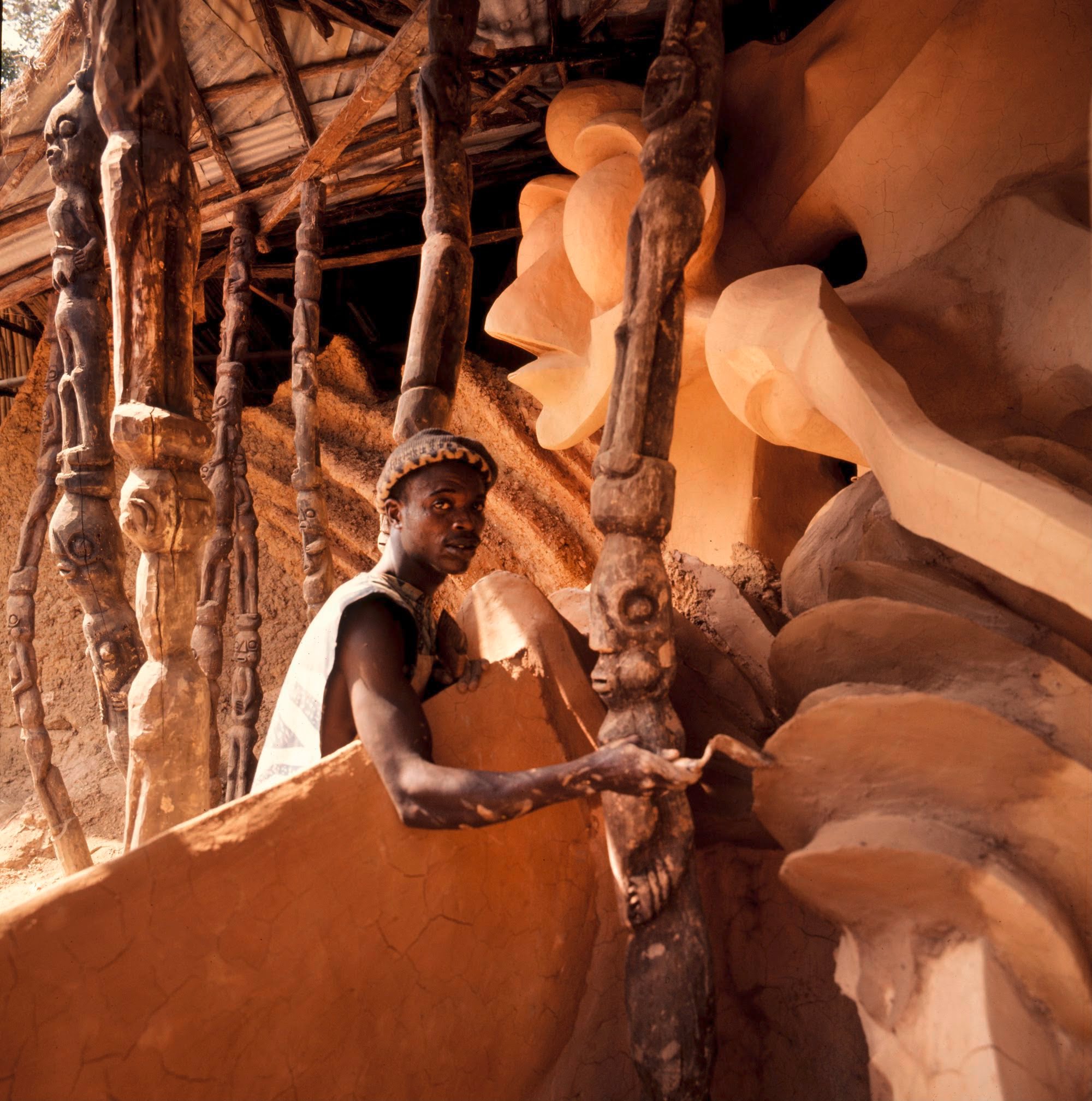
Within the shadowed, sun-dappled pathways of the grove, a complex cosmological pantheon comes to life through intricate iconography and sacred architecture, mapping out the multifaceted dimensions of human existence and divine law. The guide explains the distinct roles of various Yoruba deities, such as Eshu, the dynamic guardian of crossroads, balance, and cosmic justice, and Egbe, the spiritual entity intimately linked to otherworldly peer groups and the unfolding destiny of the individual soul. Reflecting the intimate, conversational nature of traditional worship, visitors and devotees frequently approach these sacred shrines bearing simple, unpretentious offerings—such as sweets, biscuits, and soft drinks—symbolizing the sweet communion and approachable intimacy shared between humans and their divine protectors. Through strategic storytelling, these offerings dismantle sterile, academic definitions of religion, framing faith instead as a warm, daily dialogue rooted in gratitude, humility, and affection.
Every physical structure, monument, and clearing within the grove serves a profound semiotic purpose, acting as a visual language designed to bridge the chasm between the living and the spiritual world. Countless hand-carved sculptures and architectural installations represent traditional musical instruments, ancestral masquerades, and guardian spirits, each freezing a moment of sacred kinetic energy into wood, stone, and mortar. These artistic creations do not merely decorate the forest; they encode deep philosophical truths about community, mortality, and cyclical time. Through transformational framing, the Osogbo Sacred Grove is elevated far beyond a historical forest or an eco-tourism destination; it shines as an eternal sanctuary of human memory—proving that when a society honors its rivers, its artists, and its ancestors with uncompromising devotion, it builds a cultural sanctuary that time itself cannot erode.