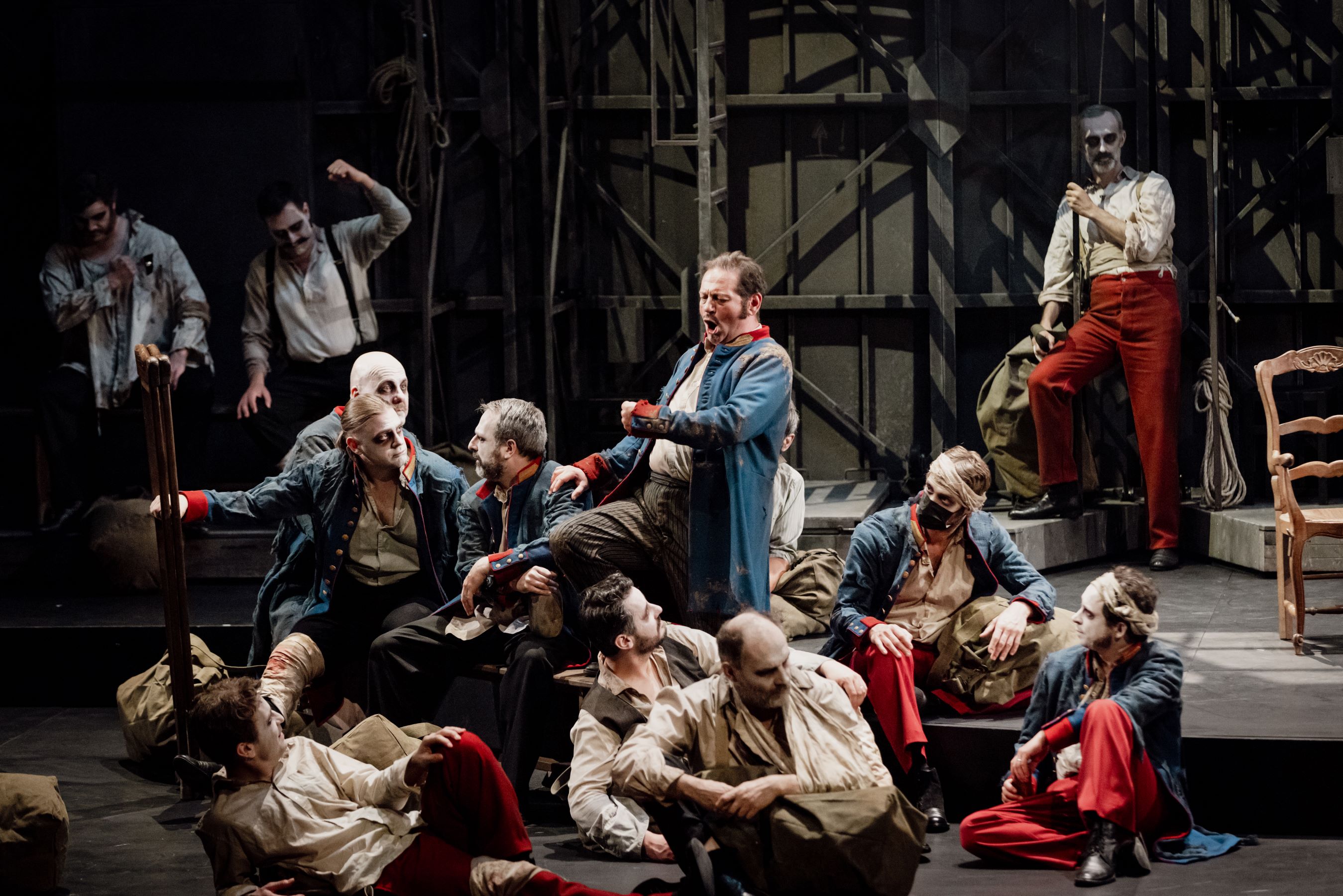
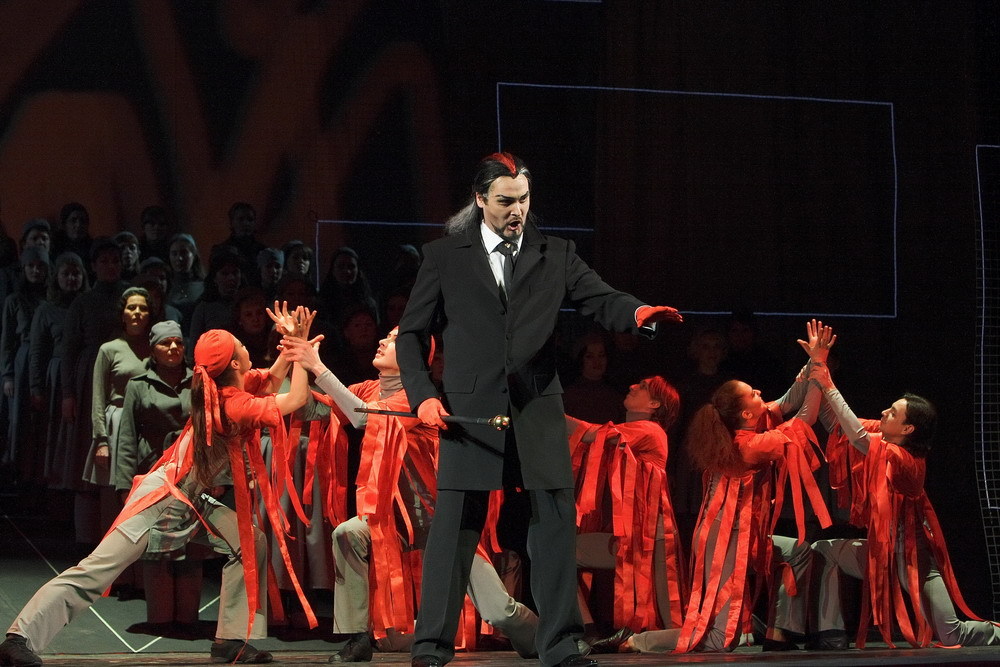
Charles Gounod’s Faust opens with an aging scholar trapped in a "sad and alone" existence, lamenting that despite a lifetime of study, he knows "nothing". This profound disillusionment leads him to the brink of suicide, yet he is pulled back from the "cup of poison" by the "vain echoes of human joy" and the sounds of nature awakening to love at dawn. Seeking to reclaim the "ardor and intoxication of youth" rather than gold or power, Faust summons the help of Satan, who arrives as a "true gentleman" with a sword and a rich cloak. The OperaVision contribution in broadcasting this Opéra de Lille production brings this visceral struggle for the soul to a digital audience, capturing the pivotal moment Faust signs a pact that guarantees Mephistopheles’ service on earth in exchange for Faust's servitude "down there". Transformed into a young man, Faust immediately focuses his desires on the modest Marguerite, whom he had previously seen in a vision.
Related article - Uphorial Shopify
Opéra de Lille - FAUST Gounod

The narrative unfolds as a masterclass in manipulation, beginning with Faust’s "chaste and pure" admiration for Marguerite’s home, which he perceives as a "holy soul's" retreat. However, Mephistopheles ensures the seduction succeeds by replacing a humble bouquet of flowers with a "rich casket" of jewels. Dazzled by the diamonds, Marguerite fails to recognize her own face in the mirror, imagining herself as a "king's daughter" as she succumbs to the "intoxicating languor" of the night. This brief "night of love" leads to a devastating downward spiral; Marguerite is eventually abandoned by Faust and left to grieve a child she killed in her madness. The cost of Faust's selfish pursuit of pleasure becomes bloodily apparent upon the return of Valentin, Marguerite’s brother, from the war. In a duel where Mephistopheles' "powerful arm" deflects Valentin’s blade, Faust mortally wounds the soldier. With his final breaths, Valentin refuses to be merciful, casting a public curse upon his sister and telling her that "shame crushes" her until the hour of her death.
The tragedy culminates in a harrowing prison scene where a delirious Marguerite awaits execution. Faust, momentarily pulled away from the hedonistic distractions of "Walpurgis night" by a vision of his lover with a "red ribbon" around her neck—a symbol of the executioner's axe—attempts to rescue her. Although she is revived by the sound of Faust's voice, Marguerite recoils in horror when she notices Mephistopheles lurking in the shadows, identifying him as a "jeering demon" with "eyes of fire". Despite Faust’s desperate pleas to flee, she chooses to surrender her soul to the "God of justice" and appeals to "radiant angels" to carry her to heaven. While Mephistopheles cynically declares her "judged," the opera ends with a heavenly chorus proclaiming her "saved" because "Christ is risen," signaling a divine victory over the devil's pact.