The high-stakes intersection of massive capital investment and the pressure for immediate financial returns has reached a fever pitch this week as the technology sector prepares for a defining series of earnings reports. In a landscape increasingly dominated by the race for artificial intelligence supremacy, the world’s most powerful tech titans—Microsoft, Meta, Google, and Amazon—are facing a new level of scrutiny from a market that is beginning to demand tangible proof of life from its multi-billion dollar bets.
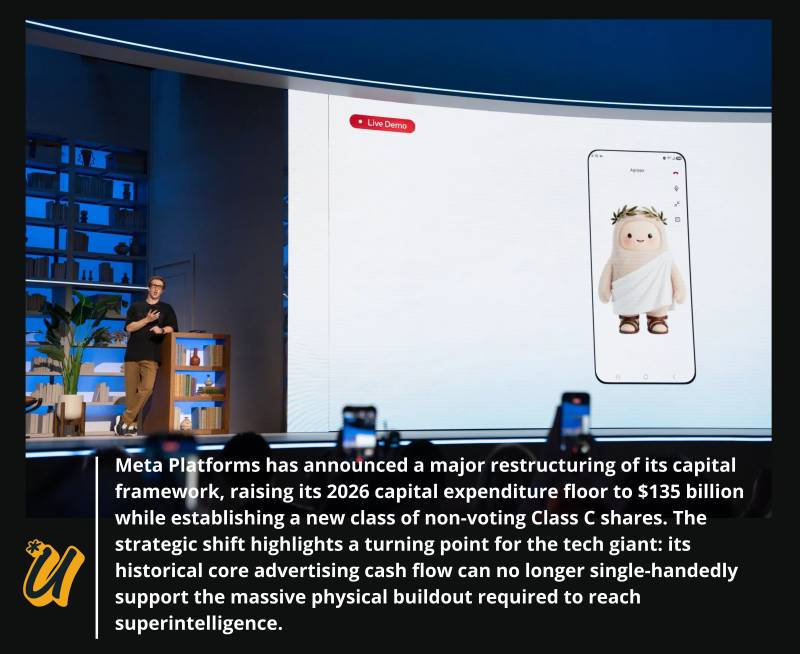
Investors are no longer satisfied with the promise of a distant AI future; they are now laser-focused on the granular details of capital expenditures. Across the board, these companies are funneling unprecedented amounts of cash into the physical infrastructure required to power large language models and generative AI tools. From specialized chips to massive data center expansions, the "Capex" figures have become the primary barometer for industry health. However, as the latest round of financial disclosures begins, the central question looming over Silicon Valley is one of efficiency. Market observers are scouring quarterly data for evidence that this massive spending is translating into real-world growth, particularly within the competitive cloud computing divisions and the hyper-targeted digital advertising markets that serve as the industry's bedrock.
While the "Magnificent Seven" prepare for their turn in the spotlight, the financial technology sector has already provided a window into the current volatility of investor sentiment. SoFi CEO Anthony Noto recently addressed the firm’s financial results, highlighting a complex dynamic where operational success does not always equate to market gains. Despite achieving record loan originations—a sign of fundamental business strength—SoFi’s shares faced immediate downward pressure. Noto’s defense of the company’s performance underscores a broader trend: in the current economic climate, even "beat and raise" quarters are being met with skepticism if the underlying narrative doesn’t perfectly align with aggressive growth expectations.
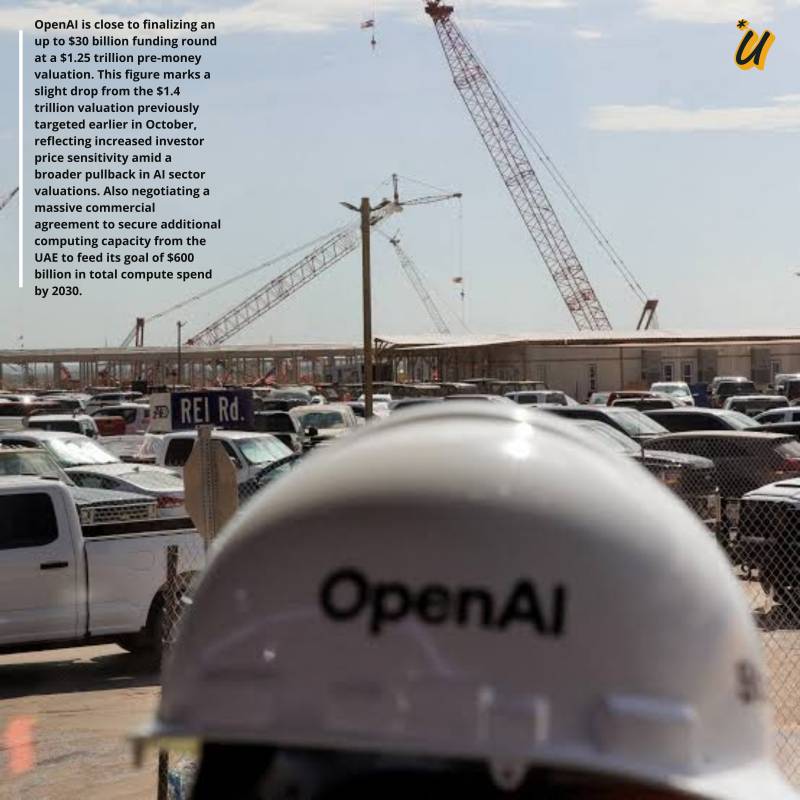
The tension in the tech sector is not limited to balance sheets; it is increasingly playing out in the courtroom. The ongoing legal battle between Elon Musk and OpenAI continues to dominate headlines, serving as a public autopsy of the organization’s controversial evolution. The trial is delving into the foundational shift of OpenAI from its origins as a non-profit charity dedicated to the safe development of AI to its current status as a powerhouse for-profit entity. This transformation has sparked a philosophical and legal debate over the "founding agreement" and whether the pursuit of profit has compromised the original mission of the laboratory.

OpenAI’s legal woes are diversifying beyond its internal governance. New filings have emerged linking the organization to a tragic shooting incident in British Columbia, introducing a novel and somber legal challenge regarding the liability and real-world consequences of AI-driven platforms. These cases highlight the "wild west" era of AI regulation, where the legal system is struggling to catch up with the rapid deployment of transformative technologies.
Even as legal and financial pressures mount, the pace of product innovation shows no signs of slowing. Apple is reportedly preparing a major offensive in the AI space, with plans for a comprehensive overhaul of its photo editing features. This move is seen as a direct response to competitors who have already integrated generative AI into the smartphone experience, signaling that the next generation of iPhones will likely be marketed as AI-first devices. The broader ecosystem is also seeing a flurry of activity, characterized by strategic acquisitions and the rise of niche startups. Moon’s recent acquisition of Sodot and the emergence of ROGO—a startup focused on automating complex financial tasks through AI—demonstrates that the technology is rapidly moving from general-purpose chatbots to specialized enterprise tools.
The convergence of these trends—the heavy infrastructure spending, the legal disputes, and the product wars—was perhaps best encapsulated by the latest development coming out of Amazon Web Services (AWS). In a move that highlights the shifting alliances of the AI era, AWS CEO Matt Garman discussed a significant new partnership with OpenAI. The collaboration aims to integrate OpenAI’s frontier models into Amazon Bedrock, a service designed to help corporate customers build and scale generative AI applications. This partnership is particularly noteworthy as it shows even the largest cloud providers are willing to host the models of their direct rivals to ensure their platforms remain the primary destination for developers.
As the week progresses, the tech sector finds itself at a precarious crossroads. The sheer volume of capital being deployed into AI is staggering, yet the path to profitability remains uneven. While companies like Amazon and Microsoft are finding ways to collaborate and expand their cloud footprints, the legal system and the stock market are providing much-needed friction. Whether the massive infrastructure investments of today will become the profit engines of tomorrow remains the defining question for the industry, but for now, the tech world remains locked in a high-speed chase for scale, regardless of the cost.