In the cool hush of a digital dawn, on August 7, 2025, OpenAI unveiled GPT 5—a landmark stride in AI evolution that shakes the foundations of how we think, work, and imagine. But beneath the headlines and the flood of statistics lies a richer, more human narrative: the audacious belief that intelligence isn’t just about raw computing power, but about craft, companionship, and becoming a canvas for our collective creativity.
Today, GPT 5 isn’t just live—it’s alive in the rhythm of over 700 million weekly ChatGPT sessions. It powers everything from solo entrepreneurs sketching out a vision at their kitchen tables to corporate giants running critical operations, from university labs chasing breakthroughs to night-owl developers fueled by coffee and ambition. It is faster, sharper, and more intuitive. It writes code with the precision of a seasoned engineer, reasons with the clarity of an academic mentor, and adapts to the emotional tone of your words as if it has known you for years.

Related article - Uphorial Sweatshirt

And yet, raw power alone makes for a thin and unremarkable story. What makes GPT-5 truly compelling is how OpenAI has reimagined intelligence as a seamless, unified journey. The days of toggling between different models for different tasks are gone. Now, you simply ask—and behind the scenes, GPT 5 shifts effortlessly from quick, witty responses to deep, analytical reasoning. It treats intelligence not as brute force, but as a collaborative act, bending and reshaping itself to the contours of your curiosity. This flexibility makes GPT 5 feel less like a product and more like a partner. One moment, it can craft the blueprint for a complex mobile app, complete with tested logic and user flows. The next can guide you through the emotional nuances of a sensitive conversation, offering perspectives grounded in empathy. Intelligence here is not one-size-fits-all—it is tailored, adaptive, and deeply attuned to the human need for both efficiency and understanding.
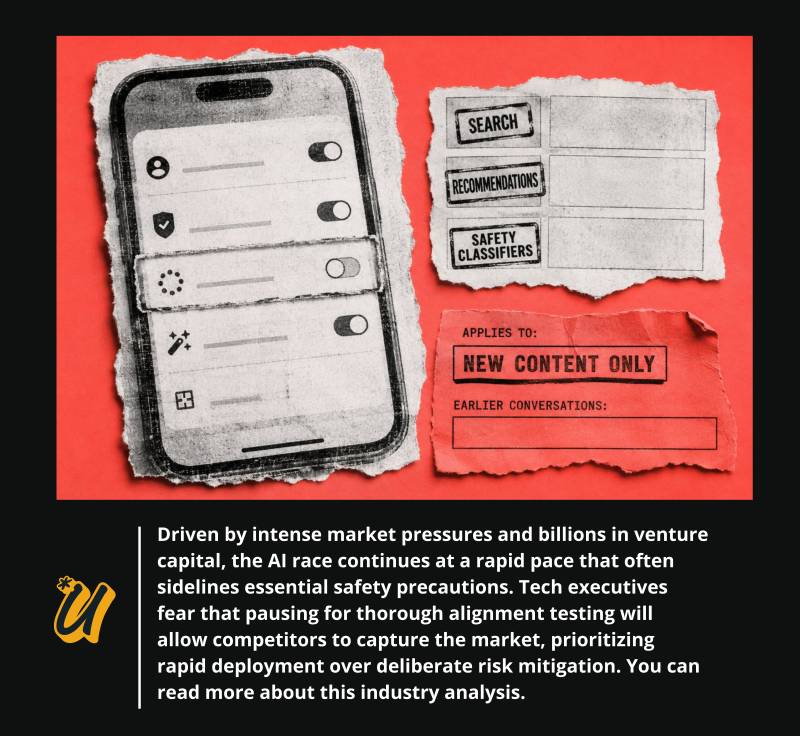
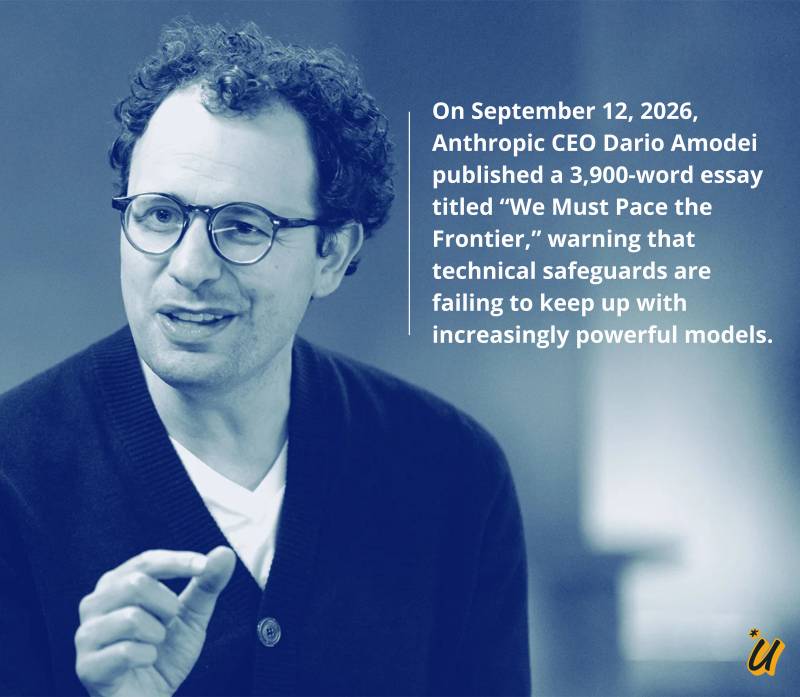
Yet, in all its brilliance, OpenAI hasn’t neglected the safety conversation. GPT-5 has been shaped by thousands of hours of rigorous testing, simulated stress scenarios, and targeted evaluations designed to make it not only powerful but also responsible. It knows when not to answer. It admits when it is uncertain. In a world hungry for certainty, this humility is its form of intelligence—a reminder that knowing your limits is as important as knowing the answer.
But the GPT-5 story is not just about one AI model—it is also a chapter in a larger global narrative. The AI industry stands at a crossroads, with hundreds of billions poured into research, data centers, and high-performance infrastructure. Investors, governments, and the public are no longer satisfied with innovation for its own sake. The question is sharper now: can artificial intelligence deliver not just hype, but real, tangible returns? GPT-5 is one of the first major tests of that question. Its success—or failure—will ripple far beyond Silicon Valley boardrooms. And perhaps this is why the release of GPT-5 feels so different. It does not present itself as a cold technological milestone, but as a mirror, reflecting our aspirations and doubts. It invites us to reconsider not just what intelligence can do, but what we truly want it to achieve.
OpenAI’s latest creation doesn’t just raise the bar for AI—it raises questions for all of us. How do we integrate such intelligence into our daily lives without losing our capacity to think, dream, and decide? How do we balance speed and accuracy with ethics and empathy? The story of GPT 5, then, is not one of technology replacing humanity, but of technology challenging us to be more human than ever. And in that challenge lies the real return on investment.